
















Avian influenza, commonly known as bird flu, is a viral infection that primarily affects birds. However, certain strains of the virus can also infect humans and other animals, posing significant public health concerns. Over the years, outbreaks of avian influenza have garnered global attention due to their potential to cause widespread illness, economic losses, and even fatalities. In this article, we delve into the various aspects of avian influenza, including its causes, transmission, prevention measures, and impacts.
The Origins and Causes of Avian Influenza
Avian influenza viruses belong to the family Orthomyxoviridae and are categorized into various subtypes based on their surface proteins, hemagglutinin (HA), and neuraminidase (NA). Among these subtypes, influenza A viruses are known to infect a wide range of bird species and are the primary culprits behind avian influenza outbreaks.
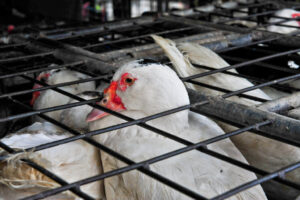
The natural reservoir for avian influenza viruses is wild aquatic birds, particularly ducks, geese, and shorebirds. These birds often carry the virus without showing any signs of illness, acting as silent carriers and transmitting the virus through their saliva, nasal secretions, and feces. Domestic poultry, including chickens, turkeys, and ducks, can become infected when they come into contact with contaminated water, surfaces, or other infected birds.
Transmission and Spread
Avian influenza can spread through direct contact with infected birds or their secretions, as well as through indirect contact with contaminated environments, such as poultry farms, live bird markets, and wild bird habitats. The virus can survive for extended periods in water and on surfaces, facilitating its transmission over long distances via migratory birds or through the movement of infected poultry and poultry products.
Avian Influenza Risks, Prevention, and Impacts are multifaceted. In addition to bird-to-bird transmission, certain strains of the flu such as H5N1 and H7N9 have shown the capability to infect humans, resulting in sporadic cases and occasional limited outbreaks. Human infections generally stem from close contact with infected birds or their droppings, although rare cases of human-to-human transmission have been recorded.
Clinical Manifestations and Public Health Concerns
In birds, the flu can cause a range of symptoms, including respiratory distress, decreased egg production, neurological signs, and sudden death. The severity of the disease varies depending on factors such as the virulence of the virus strain and the host species involved. High-pathogenic flu strains can cause severe illness with high mortality rates among poultry flocks, leading to significant economic losses for the poultry industry.
The outbreak Risks, Prevention, and Impacts are multifaceted. In humans, flu infections can manifest as influenza-like illness, with symptoms such as fever, cough, sore throat, muscle aches, and difficulty breathing. In severe cases, complications such as pneumonia, acute respiratory distress syndrome (ARDS), and multi-organ failure can occur, posing a serious threat to human health. While human cases of avian influenza remain relatively rare, the potential for the virus to mutate and acquire the ability for sustained human-to-human transmission raises concerns about the emergence of a pandemic strain with the potential for global spread.
Prevention and Control Measures
Given the significant risks associated with avian influenza, various prevention and control measures have been implemented at local, national, and international levels to mitigate the spread of the virus and reduce the risk of human infections.
Surveillance involves the regular monitoring of poultry populations and wild bird habitats to detect the presence of avian influenza viruses and identify potential outbreaks. Biosecurity entails implementing strict protocols on poultry farms and in live bird markets to prevent the introduction and spread of the virus. This includes measures such as restricting access to unauthorized personnel, disinfecting equipment and premises, and practicing proper waste management. Vaccination is another crucial strategy, using vaccines to protect poultry against specific strains of avian influenza, particularly high-pathogenic strains that pose the greatest threat to poultry health and industry.
Education and outreach are essential components, with public awareness campaigns targeting poultry producers, bird handlers, healthcare professionals, and the general public to promote understanding of avian influenza risks, preventive measures, and appropriate response strategies. Additionally, international cooperation is vital for effective management of avian influenza. This involves collaboration between countries and international organizations to facilitate information sharing, capacity building, and coordinated responses to outbreaks, recognizing the transboundary nature of the virus and the need for collective action.
Impacts on Health, Society and Economy
Avian Influenza Risks, Prevention, and Impacts are multifaceted. Bird flu outbreaks can have far-reaching consequences, impacting not only the health and livelihoods of individuals but also economies, food security, and social well-being. In addition to direct losses from poultry mortality and trade disruptions, avian influenza outbreaks can lead to indirect impacts such as reduced consumer confidence in poultry products, increased prices for poultry and eggs, and strain on healthcare systems. These repercussions highlight the interconnectedness of public health, agriculture, and economic stability in the face of infectious diseases like avian influenza. Vigilance in monitoring and preventing outbreaks is crucial to mitigating these widespread effects.
Furthermore, the fear of a potential influenza pandemic can fuel public anxiety, misinformation, and stigmatization of affected communities, highlighting the importance of clear communication, risk communication, and community engagement in outbreak response efforts.
Avian influenza remains a significant global health threat, with the potential to cause devastating consequences for both animal and human populations. Effective prevention, early detection, and rapid response are essential components of efforts to control the spread of the virus and minimize its impact on health, economies, and societies. By implementing comprehensive strategies that address the complex interplay between animal health, human health, and environmental factors, we can work towards reducing the risks posed by avian influenza and safeguarding the well-being of both humans and animals.
Written by Janiyah White
Sources:
CNN: Bird flu is rampant in animals. Humans ignore it at our own peril
The New York Times: A Bird-Flu Pandemic in People? Here’s What It Might Look Like.
The Atlantic: How Much Worse Would a Bird-Flu Pandemic Be?
Inset image Courtesy of USAID Asia Flickr – Creative Commons License




