














Scary Information About Exposure to Newborn Babies
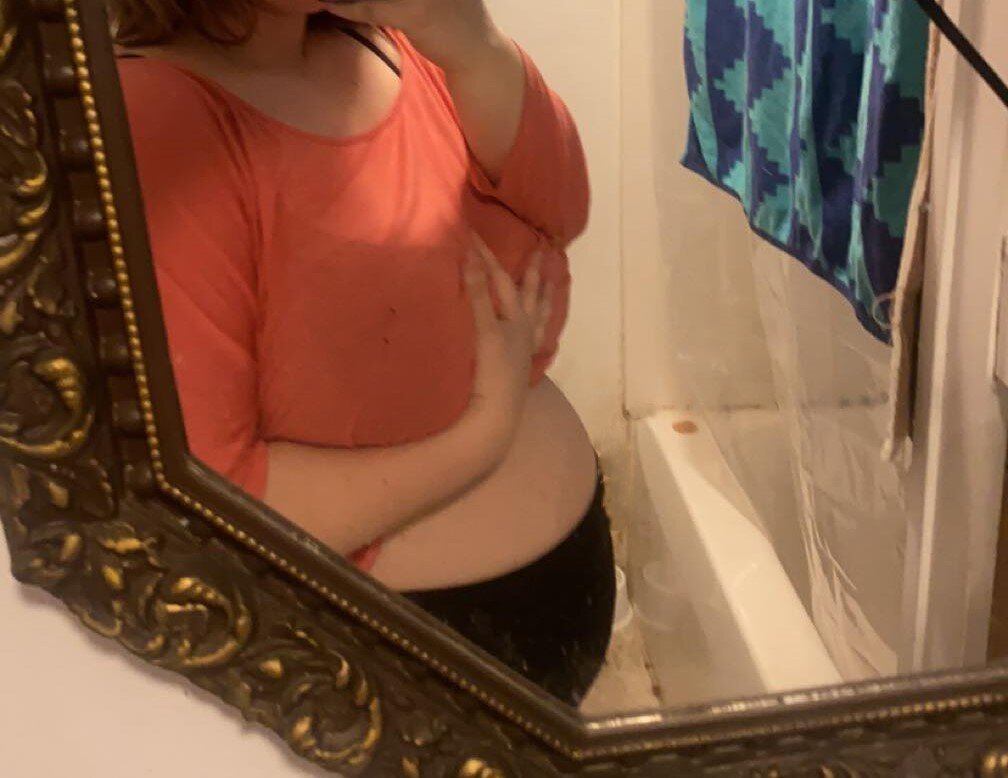
Do you have COVID-19 while growing a tiny human? Well here is some helpful information. If you are pregnant and end up catching this disease, your baby is three times more likely to have a respiratory illness/distress when born.
There is a much lower risk if the mother was recently vaccinated before catching the virus. Researchers also found that mothers with SARS-Cov2 can give the infants “inflammatory cascade.” Which essentially increases the risk of a breathing disorder.
Babies with Respiratory Distress Syndrome
Pre-mature babies are typically more at risk for respiratory distress syndrome, due to their underdeveloped lungs when born. Infants that are exposed to this syndrome have a hard time catching their breath and can breathe very rapidly.
As well as making grunting noises when they breathe, having blue coloring and flaring nostrils. There are more cases when the child is more grown where they develop the syndrome, and weren’t born with it.
Doctors Preservative
 “We found unusually high rates of respiratory distress shortly after birth in the full-term babies born to mothers who had COVID-19 during pregnancy,” said senior author Dr. Karin Nielsen professor of pediatrics in the division of pediatric infectious diseases at the David Geffen School of Medicine at UCLA. “The mothers had not been vaccinated prior to acquiring COVID, indicating that vaccination protects against this complication.”
There is a study that researchers have done to trace how respiratory distress develops following in-utero exposure to SARS-Cov-2. The study that was conducted is called proteomics, essentially it examines the structure and function of the protein and how it has affected the cells.
The Discovery from the Research
Motile cilia, it is a whip like structure that is supposed to help remove mucus from the respiratory tract. Sadly it no longer functioned like it should once the mother had gotten the disease. It had exposed the infant’s motile cilia to respiratory distress.
“Not only do our results show higher rates of RD [respiratory distress] in SEU [SARS-CoV-2 exposed uninfected] infants when compared to the general population,” the researchers write. “But we observed more cases of RD at later gestational ages than anticipated, when neonates should presumably have more mature lung anatomy.”
Steps You Can Take if You are Pregnant and Have COVID
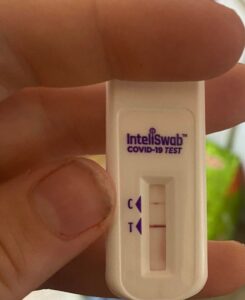
If you are having symptoms related to COVID, you can call your doctor to be seen as soon as possible. There is also the option of taking an at home test, though they are not always accurate.
The following are symptoms of COVID:
- Fever.
- Cough.
- Shortness of breath.
- Sore throat.
- Weakness.
- Muscle pain.
- Diarrhea.
- Vomiting and loss of smell.
Having this disease alone is scary, it just adds up when you are pregnant. If at any point during the time period of having COVID these symptoms worsen to the following get checked as soon as possible.
- Trouble breathing.
- Constant pain or pressure in the chest.
- New confusion or inability to arouse.
- Bluish lips or face.
- Any other symptoms that are severe or concerning.
Ways to make these times a little easier
Take some Tylenol. It can reduce your fever if you have one or any other pains that you may have. However, if that does not work for you, call your OB-GYN and see what other options are safe for you and the baby.
Take some Pseudoephedrine and phenylephrine (Sudafed). However, people should avoid use in the first trimester and with breastfeeding, check with your doctor before taking. Additionally, phenylephidrine should be avoided because of its uncertain efficacy and safety in pregnancy. Furthermore, you should use caution if you have high blood pressure. It is a cold medicine and can help with any decongestants you may have.
People can also take Loratadine (Claritin) or Diphenhydramine (Benadryl). Antihistamines block the effects of a substance called histamine in your body.
Other Helpful Medicines
- Kaolin and pectin preparations (Kaopectate).
- Loperamide (Imodium).
Antidiarrheals work by decreasing the flow of fluids and electrolytes into the bowel and slowing down the movement of the bowel to decrease the number of bowel movements.
- Sprays or lozenges containing benzocaine.
- Menthol and phenol (Chloraseptic).
The above two can help with throat discomfort. Along with rest and drinking plenty of fluids, all of the following will help in your journey.
By: Key Robertson
Sources:
Inside Precision Medicine: COVID-19 in Pregnancy Increases Baby’s Risk of Respiratory Distress
U.S. News: COVID In Pregnancy Triples Baby’s Odds for Respiratory Illness
SciTechDaily: Triple Trouble: UCLA Study Reveals Startling Impact of COVID-19 on Newborns
Medical Press: Infants born to COVID-infected mothers found to have triple the risk of developing respiratory distress
Scrubbing in: What to do if you’re pregnant and get COVID-19
Images Courtesy of Keyauntay Robertson




