
















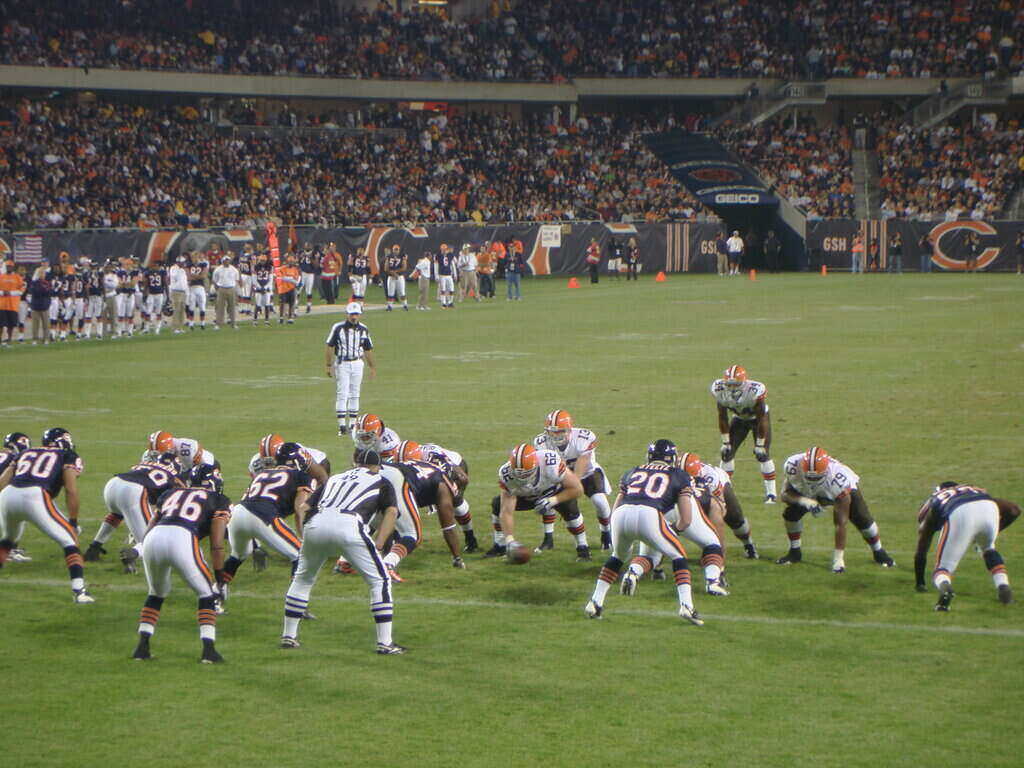
Introduction
Chicago, a city known for its architectural marvels and vibrant sports culture, is about to welcome a new landmark: the Bears Stadium. This modern sports arena promises to not just transform the city’s skyline, but also rekindle the city’s love of football. Let’s discuss the specifics of this mammoth project, from its genesis to its expected impact on the Windy City.
From Vision to Reality
The concept of a new stadium for the Chicago Bears has been fermenting for years. They are driven by a desire for modern amenities and higher seating capacity. With the aging Soldier Field failing to meet the needs of both fans and the club, conversations began about constructing a new, designed stadium.
After long consultations with architects, urban planners, and community stakeholders, the vision for Bears Stadium evolved. The goal was not just to build a world-class football stadium. It also to seamlessly incorporate it into the urban fabric, improving the cityscape and stimulating economic growth.
Who’s Paying For It?
Bears officials shared estimates that the project would create 43,000 construction jobs and add $8.4 billion to the economy during construction on Wednesday’s event at Soldier Field. In an effort to persuade state officials that the costs of not supporting the Bears stadium surpassed the upfront cost.
According to the team’s estimates, after the new stadium is constructed, it will generate $456 million in yearly revenue for Chicago, 4,200 permanent employment, and a nearly 60% increase in tax payments from the Bears’ operations for the city.
Over two years after the illustrious team paid $197.2 million for the former Arlington International Racecourse property and revealed intentions to construct “an enclosed state-of-the-art stadium and multi-purpose entertainment,” the Bears have redoubled their efforts to stay in Chicago.
Designing the Icon: Architectural Highlights
The architectural design of Bears Stadium honors Chicago’s tradition of inventiveness and aggressive design. Renowned architects were challenged with designing a facility that honors the city’s rich architectural history while embracing modernity and sustainability.
The stadium’s sleek, contemporary façade is made of steel and glass, reflecting the city’s industrial background. Inside, open-air concourses provide panoramic views of the field, blurring the distinction between indoor and outdoor areas. Green building measures, such as energy-efficient lighting and water saving fixtures, demonstrate the stadium’s commitment to sustainability.

Enhancing the Fan Experience: Amenities and Features
At Bears Stadium, the fan experience takes center stage. From when spectators reach the gates, they are met by a plethora of amenities tailored to meet their every requirement. Premium seating offers unrivaled comfort and elegance, while family-friendly zones excite fans of all ages.
Enhanced video boards and interactive fan engagement platforms are just a few examples of the stadium’s modern technologies. Concession stands offer a wide variety of culinary options, highlighting the finest of Chicago’s cuisine scene. Furthermore, with plenty of parking and convenient transportation alternatives, supporters can easily get to and from the stadium.
Community Impact: Revitalizing the Neighborhood
Aside from its significance as a sporting arena, Bears Stadium acts as a catalyst for economic revitalization in the surrounding area. The stadium’s construction has inspired investment in local infrastructure and businesses, resulting in job creation and economic growth.
Community relationships are critical to ensure that the stadium’s benefits continue beyond game day. Outreach activities, youth sports initiatives, and educational opportunities are just a few of the ways that Bears Stadium is improving the lives of its inhabitants.
Honoring Chicago’s Football Legacy
Bears Stadium, the future home of the Chicago Bears, pays homage to the team’s long history and loyal fan base. Iconic features from the team’s past are incorporated throughout the stadium, generating a sense of nostalgia and connection among fans.
Bears Stadium is a temple to Chicago football, with retired jerseys on the walls and a Hall of Fame exhibit commemorating the team’s finest moments. The spirit of tradition infuses game days, as supporters gather at their state-of-the-art new home to cheer on their favorite team.
Conclusion
Bears Stadium is more than just a football stadium; it symbolizes Chicago’s everlasting spirit and commitment to excellence. The stadium’s spectacular design, cutting-edge amenities, and beneficial influence on the community demonstrate the city’s ability to innovate and inspire. As fans gather to Bears Stadium to witness history being made, they are reminded of the everlasting interest of Chicago sports and the Bears’ lasting legacy.
Written by Jordiana Jean
Sources:
WTTW: Bears Ask Taxpayers for $2.4B Subsidy to Build $4.75B Domed Stadium Along Lakefront
WGNTV: What to know about the Chicago Bears’ new stadium plans
NBC Chicago: Chicago Bears stadium news: What we know so far about the team’s new plans
Featured Image Courtesy of Brandon Zeman Flickr page – Creative Commons License
Inset Image Courtesy of Greg Wass Flickr Page – Creative Commons License




