















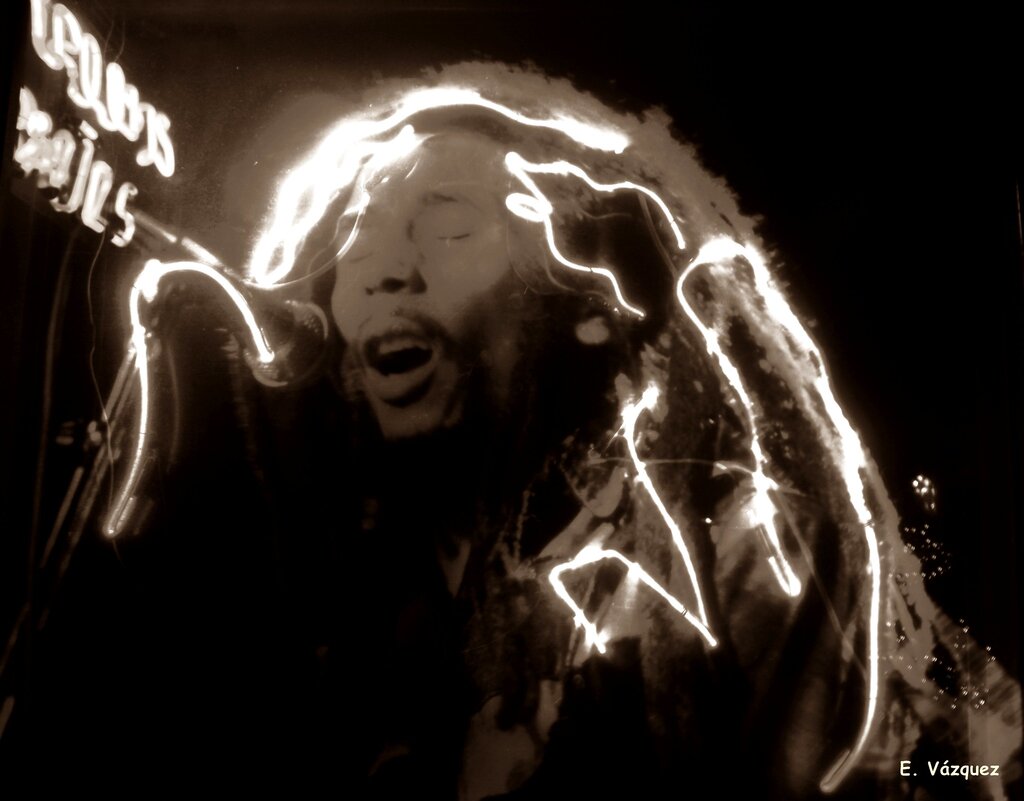
Bob Marley evokes images of a guitar-wielding man, swaying dreadlocks, and a voice echoing power and peace. Beyond his music, Marley was a symbol of rebellion, spirituality, and social change. Let’s delve into the life and legacy of the legendary reggae icon.
Early Life and Influences
Robert Nesta Marley was born on Feb. 6, 1945, in Nine Mile, Jamaica. Raised in poverty by his mother, Cedella Booker, Marley’s early years were marked by struggle and hardship. His mixed heritage, Jamaican father, African mother, shaped his identity profoundly, influencing his worldview and perspectives significantly.
Growing up in Trench town, a Kingston slum, Marley was exposed to the vibrant musical culture of Jamaica. Influenced by artists like Fats Domino, Ray Charles, and Curtis Mayfield, he developed a deep appreciation for rhythm and blues. Ska and rocksteady sounds ignited his passion, paving the way for his musical journey.
Rise to Fame

Spiritual Journey: Rastafarianism
Central to Marley’s identity was his faith as a Rastafarian. Rastafarianism, a spiritual and cultural movement that emerged in Jamaica in the early 20th century, emphasized the divinity of Emperor Haile Selassie I of Ethiopia and the importance of African liberation and repatriation. Marley’s lyrics often reflected Rastafarian beliefs, advocating for social justice, equality, and the upliftment of oppressed peoples.
His album “Exodus,” released in 1977, is considered a masterpiece of reggae music and a testament to Marley’s spiritual journey. Songs like “Exodus,” “Jamming,” and “One Love/People Get Ready” blend infectious grooves with lyrics that celebrate love, freedom, and the quest for spiritual enlightenment. The album’s title track became an anthem for the struggle against oppression and injustice, earning Marley widespread acclaim and recognition as a musical visionary.
Political Activism
Marley’s music was inseparable from his activism. Throughout his career, he used his platform to speak out against oppression and injustice, particularly in his native Jamaica. During 1970s political turmoil, Marley eased tensions between rival factions, using music and a message advocating peace.
In a symbolic show of unification, Marley brought together rival political leaders on stage at the One Love Peace Concert in Kingston in 1978. Marley famously clasped the hands of opposition leader Edward Seaga and prime minister Michael Manley during the performance, pleading with them to set aside their differences for the sake of the nation.
Legacy and Impact
Bob Marley’s influence extends far beyond the realm of music. He remains a symbol of resistance and resilience for oppressed peoples around the world. His songs inspire artists and activists, showing music’s power to effect change and unite humanity across generations.
In 1980, Marley was awarded the Jamaican Order of Merit, the country’s highest honor, in recognition of his contributions to music and culture. Although he passed away tragically at the age of 36 from cancer, his legacy lives on through his music and the timeless messages of love, peace, and justice that he championed.
Bob Marley was more than just a musician; he was a revolutionary whose music transcended boundaries of race, religion, and nationality. Through his timeless songs and unwavering commitment to social change, he left an indelible mark on the world, inspiring millions to stand up for what they believe in and strive for a better tomorrow. As we celebrate his life and legacy, let us remember the words of Bob Marley himself: “One good thing about music, when it hits you, you feel no pain.”
Written by Janiyah White
Sources:
ttownmedia.com: Tragic Details About Bob Marley
Vulture: The Flattening of Bob Marley’s Radicalism
Forbes: Bob Marley’s Upward Chart Momentum Continues
Inset image Courtesy of Pedro Ramundo Flickr – Creative Commons License




