















Utah, Ohio, New Hampshire, and Pennsylvania called on to boycott Russian Vodka sales in their state. Republican Governors Spencer J. Cox of Utah, Mike DeWine of Ohio, and Chris Sununu of New Hampshire issued decrees restricting the sale of some Russian vodkas in their states.
Texas Republican Governor Greg Abbott also asked retailers and restaurant associations to remove Russian products from their shelves. The state’s liquor in Oregon and the cannabis committee required liquor stores to discontinue trading any Russian-manufactured spirits. Maine’s Democratic Governor Janet Mills called on state agencies to exclude Russian-made vodka to keep their products from “making their way to retail and restaurant shelves.
This move is targeting spirits associated with Russia. The Ontario, Canada liquor control board made the same decision on Friday to boycott Russian-made products from its 679 stores.
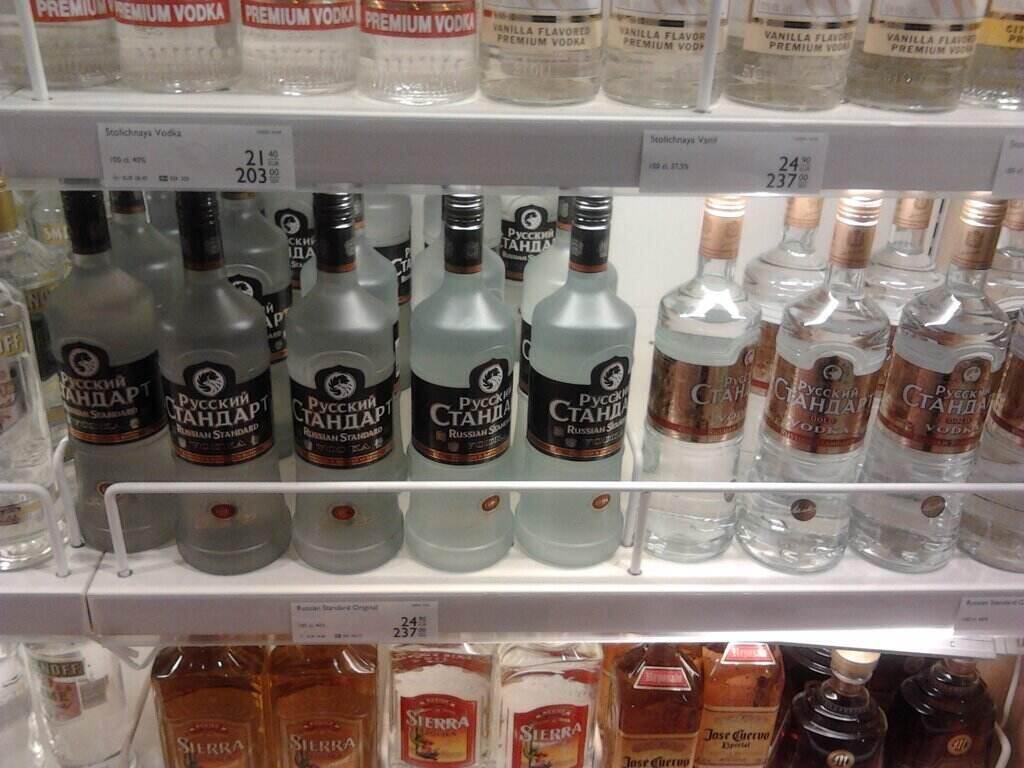
Governor Mike DeWine of Ohio asked the 500 liquor stores in their state to cease both the purchase and sale of all vodka made by Russian Standard.
On Sunday, Utah Governor Spencer Cox announced the state boycott requesting state-run liquor outlets to remove all Russian produced and branded products.
Utah stands in solidarity with Ukraine, and New Hampshire Governor Chris Sununu made similar statements asking liquor stores to remove Russian branded spirits.
Russian Vodka Boycott Has Little Financial Impact
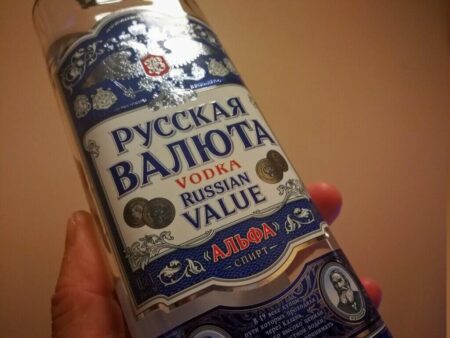
Vodka has long been Russia’s most visible export is now a target of international anger. Russian culture has a long history with vodka and a part of their social life. When combined with countless mixers, this colorless and odorless liquor can make a wide array of concoctions. Its versatility took its hold in the United States market, leading to cutthroat competition among vodka makers from various countries.
In 2020, out of the 76.9 million nine-liter cases of vodka sold in the U. S. While distillers yielded $7 billion in revenue that year, Russia’s share of the market is not as significant as widespread imagination.
Last year, imports of Russian vodka to the United States only accounted for 1.3% of the total vodka imports. However, some of the best-selling brands are Russian Standard and Green Mark.
Russian Vodka Boycott Is Symbolic
The move to boycott the purchase and sale of Russian spirits is symbolic because only 1% of vodka consumed in the United States is produced in that country. Moreover, since 2011, vodka imported has decreased for several years.
Therefore, state boycotts will not affect Russia’s economy because of the $1.4 billion vodka imported market; Russian-made vodkas only account for $18.5 million. However, shutting down the Swift global banking system will have wide-ranging impacts.
Bartenders pull Russian-made products from their shelves, and governors sign orders to restrain sales of Russian vodka as a gesture of solidarity with Ukraine.
Many top-selling vodka brands are distilled in the United States and other countries. For example, the Stoli Vodka is made in Latvia with the company headquarters in Luxembourg. Stoli Group has supported unwarranted aggression for decades and unequivocally condemns the Russian military action in Ukraine.
Smirnoff is misconstrued as Russian but owned by British spirits Diageo and manufactured in Illinois. Along with Green Mark, Russian Standard is a few of the alcohol brands imported from Russia.
Unique Boycotts on Russian-Made Vodka
What makes the recent boycott on Russian-made vodka unique is the inclusion of Russian-linked companies that could change consumers’ perception of the brand. Therefore, other businesses may step back from their relationships with these companies to avoid stigma by association.
Many reasons make a boycott of vodka an attractive idea. People can wield their habits to demonstrate solidarity or make a political statement during an international conflict.
Most boycotts have hardly any economic impact. However, as consumers, the boycott of Russian vodka raises awareness about the Russian invasion of Ukraine.
Written by Janet Grace Ortigas
Edited by Cathy Milne-Ware
CNN Business: States want to boycott Russian vodka. Here’s why that won’t work; by Jordan Valinsky
The Guardian: US governors order state-run liquor stores to stop selling Russian vodka; by Jessica Glenza
NPR: Boycotts of Russian products and groups spread, but the effects may be limited; by Emma Bowman
Featured and Top Image Courtesy of Hannu Makarainen’s Flickr Page – Creative Commons License
Inset Image Courtesy of amika_san’s Flickr Page – Creative Commons License




