















Mayor Brandon Johnson and the DSS (Department of Street and Sanitation) organized a way to keep food waste off the streets of the windy city. The plan is called the “Food Scrap Drop-off Program,” and will be the first city-wide program established to keep scarps out of landfills. If all goes well for Chicago, other cities the department collaborated with will also look to establish the program.
Why is the Program so important?
Brandon Johnson wants the program to encourage community members to recycle old food scraps into something useful rather than being on neighborhoods’ streets. It’s also common courtesy that one wants to come home and see their community is filthy.
But there is a deepening reason for the program for those unaware of what happens when they litter. When those old foods decompose, they form greenhouse emissions in the atmosphere. Greenhouse gases are a form of natural gas that insulates or warm up the earth. These gases include Carbon Dioxide, water vapor, ozone, and methane.
But most view the major causes of greenhouse gas emissions to be fossil fuels and deforestation. and old food scraps and even denial of the gas’s existence would come back to bite. According to the Department of Agriculture, food loss and waste during a food packaging process leaves a greenhouse gas footprint.
This, plus the other factors mentioned, puts more greenhouse gases into our atmosphere at an alarming rate. It causes Climate Changes like rising temperature, sea levels, and desertification of areas with rich soils. A more recent example happened during the summer when Canadian wildfire smoke reached the Midwest and Northeastern states of the United States.
Mayor Brandon Johnson hopes citizens take full advantage, so other cities may follow through with a program similar to it. “We can reduce harmful greenhouse emissions that occur when organic food material decomposes in a landfill, return organic materials to the earth, and most importantly, create healthier communities across our great city,” Brandon Johnson said.
Another Seed to a Cleaner Garden: How America is Tackling the Issue
Brandon Johnson’s announcement targets the local contribution to tackling climate change. However, there are other ideas the nation has brought to the table. The creation of alternative fuels and electric vehicles are a few ways to lower greenhouse gas via manufacturing. President Biden and the United States Environment Protection Agency initiated Executive Order 13990: Protecting Public Health and Environment and Restoring Science to Tackle Climate Crisis. It ensures to meet the threat to encourage U.S businesses and workers to work towards a cleaner country.

The University of Loyola is also using a method for a cleaner Chicago called “Biodiesel.” Back in 2014, their school of environmental sustainability had an outside-the-box idea. They would take used cooking oil from lunch and convert it to fuel for the shuttle buses, a phenomenal alternative. The fuel was such a success, that other universities like Northwestern purchased the fuel to use for their own shuttles. This used cooking oil was also converted into a hand soap that is used on all campus grounds.
Ideas like BioDiesel fuel, show that Chicago is capable of stopping climate change by using old and giving it a safer purpose. But instead of shuttle bus gas, the food scraps will be used to strengthen the earth’s soil.
Composting Program Information
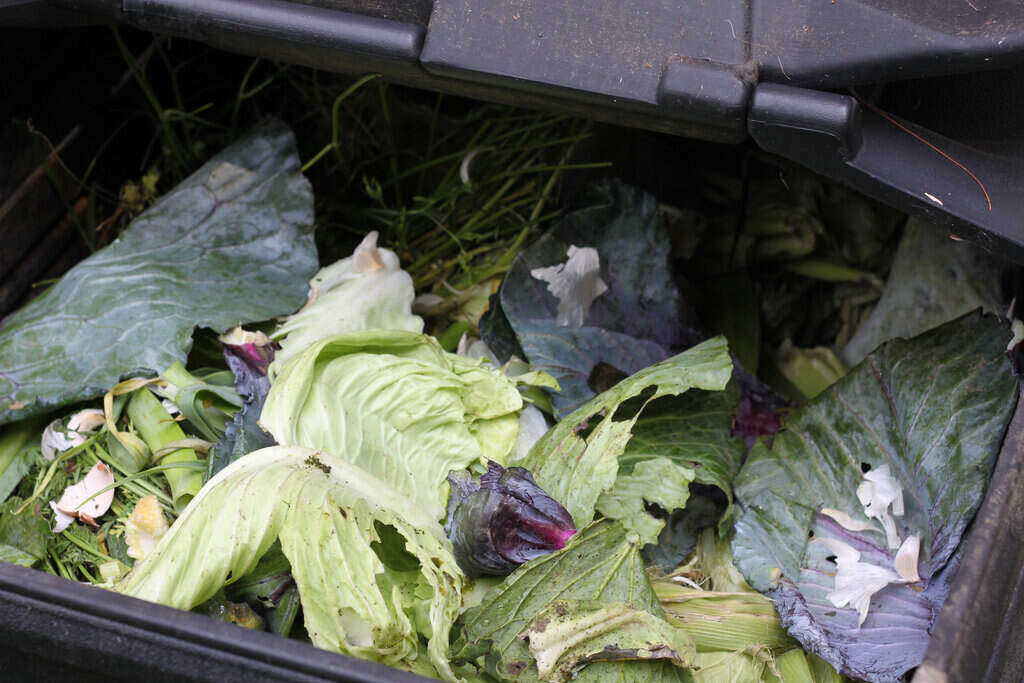
Food scraps like bones, meat, dairy, fruits, and vegetables are all accepted. Used bags, however, are not accepted as composting material.
Brandon Johnson and the Department of Street and Sanitation set up 15 drop-sites throughout the city’s North, South, and West sides. Chicagoans collect the food scraps in a garbage bag or any sealed container to keep the smell contained. It will then be brought to a green cart at the Compost drop location. City officials say the scarps will be brought to a compost processing facility and turned in nutrient-rich soil.
For more information about Brandon Johnson’s plans for the program, like composable materials, visit the official website of the city of Chicago here.
Written By Daylontie Jasper
Source:
Block Club Chicago: Chicago Launches First Citywide Composting Program; by Aviva Beckly
CBS News: Canadian wildfire maps show where fires continue to burn across Quebec, Ontario, and other provinces ; by Emily Mae Czachor
Stanford University: The Future of Greenhouse Gases: By Stanford Engineering Staff
EPA.Gov: Climate change regulatory actions and initiatives; by Environment Protection Agency
Featured Image Courtesy of Keith McDuffee‘s Flickr Page- Creative Commons License
Inset Image courtesy of Kymberly Janish‘s Flickr Page- Creative commons License




