















Discrimination: Police Target Black and Latino Drivers
Despite efforts to address racial bias in law enforcement, a recent report reveals that Black and Latino drivers continue to face disproportionate targeting by police during traffic stops. This troubling pattern underscores the enduring systemic racism within policing practices and highlights the urgent need for reform.
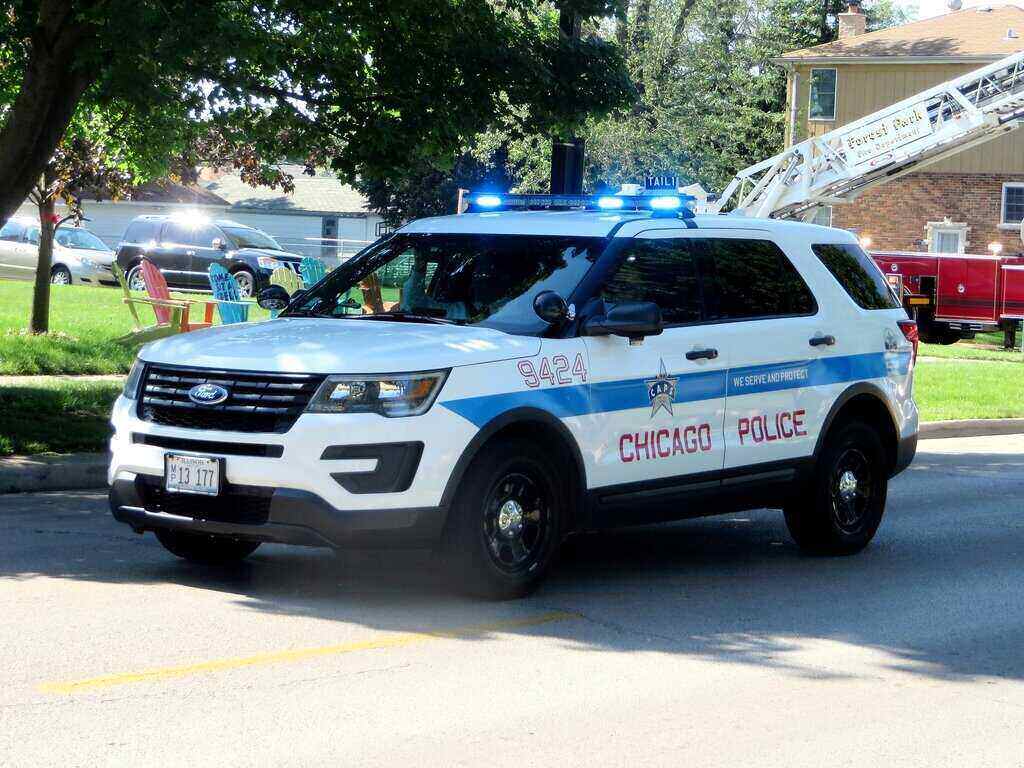
According to a report by WTTW News, data from 2023 in Chicago indicates that Black and Latino drivers are still subjected to heightened scrutiny and enforcement compared to their White counterparts. The report also highlights the prevalence of “flood traffic stops,”. This is when police flood certain areas with officers to conduct traffic enforcement. In turn often leading to an over-representation of Black and Latino drivers being pulled over.
This disparity in Chicago police behavior reflects longstanding racial biases embedded within law enforcement institutions. Such discriminatory practices perpetuate feelings of fear, mistrust, and alienation among communities of color, exacerbating tensions between law enforcement and communities. The Chicago Police Department employs a variety of strategies to combat crime and violence. The department is committed to building trust and partnerships within the community. This is to put stricter rules into place for doing car searches, enhance transparency in law enforcement steps, and push for community policing methods that place an emphasis on teamwork and trust-building with communities of color.
Inequity in Enforcement
Moreover, the consequences of Chicago police racial profiling extends far beyond the immediate impact on individuals stopped by police. Chicago police targeting Black and Latino drivers undermines public trust in law enforcement and erodes the legitimacy of policing efforts. The CPD is subject to oversight by various entities, including the Chicago Police Board, the Civilian Office of Police Accountability (COPA), and the Chicago Inspector General’s Office.
Socioeconomic factors such as poverty, unemployment, and lack of access to affordable transportation contribute to the over-representation of minority drivers in traffic stops. Thus, addressing racial bias in policing requires a multifaceted approach that addresses underlying systemic issues beyond the scope of law enforcement alone.
Efforts to combat racial profiling and discrimination in policing must be comprehensive and evidence-based. Implementing implicit bias training for law enforcement officers, establishing clear protocols for conducting traffic stops, and promoting accountability and transparency in police practices are essential steps toward reform.
Additionally, community engagement and collaboration between law enforcement agencies and local communities can foster mutual understanding and trust, leading to more equitable and effective policing strategies.
Roadblocks to Equality
These differences continue to exist in different legal systems and geographical areas, showing how broad the issue is. The unfair use of discretionary measures like pretextual stops and car searches is one of the most serious features of racism in traffic stops.
However, the effectiveness of such reforms ultimately depends on their enforcement and implementation at the local, state, and federal levels. Moving forward, it is imperative that policymakers, law enforcement agencies, community leaders, and advocacy groups work together to dismantle systemic racism in policing and ensure equal treatment and protection under the law for all individuals, regardless of race or ethnicity. By acknowledging the realities of racial profiling and taking meaningful action to address its root causes, we can strive towards a more just and equitable society for future generations.
Behind the Wheel
One of the most concerning aspects of racial profiling at traffic stops is the disproportionate use of discretionary practices such as pretextual stops and vehicle searches. Pretextual stops occur when law enforcement officers use minor traffic violations as a pretext to stop and investigate individuals they suspect of other criminal activity. This suggests that racial profiling is not only unjust but also ineffective as a law enforcement strategy.
When communities perceive law enforcement as biased and unjust, they are less likely to cooperate with police investigations, report crimes, or seek assistance when needed, thereby hindering efforts to promote public safety and community well-being. Critics argue that the continued targeting of Black and Latino drivers reflects broader structural inequalities within society, including disparities in access to resources, opportunities, and representation.
Road to Nowhere
In conclusion, the targeting of Black and Latino Chicagoans by police during traffic stops underscores the enduring nature of racial bias within law enforcement. This discriminatory practice not only violates the civil rights of individuals but also undermines public trust in policing and creates inequalities within society.
Written by: Janasia Presley
Sources:
WTTW: Chicago Police Continued to Target Black, Latino Drivers with Flood Traffic Stops in 2023: Report
American Civil Liberties Union (ACLU): Racial Profiling
The Sentencing Project: Race and Traffic Stops
Featured Picture: Courtesy of Inventorchris’ Flickr Page, Creative Commons License
Inset Image: Courtesy of nsub1’s Flickr Page, Creative Commons License




