















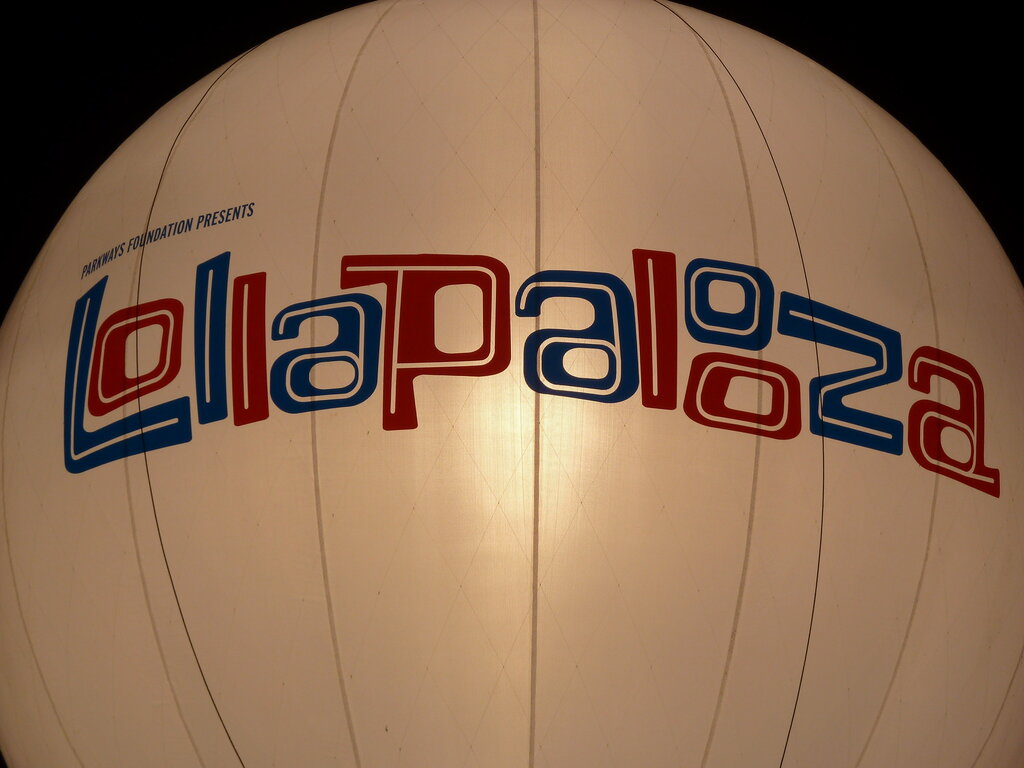
Lollapalooza: A Cultural Phenomenon
Lollapalooza stands as an iconic cultural music event, a cornerstone of the cultural festival scene that has captivated audiences worldwide since its inception in 1991. Founded by Perry Farrell of Jane’s Addiction, the festival has evolved from its early days as a touring show to become a staple in the festival calendar, drawing hundreds of thousands of attendees annually to its flagship event in Chicago’s Grant Park. This essay explores the significance of Lollapalooza, its impact on music culture, and the experience it offers to fans.
Origins and Evolution
Lollapalooza was born out of Perry Farrell’s desire to create a unique touring festival that showcased alternative rock music and embraced countercultural elements. The inaugural tour in 1991 featured bands like Jane’s Addiction, Nine Inch Nails, and Siouxsie and the Banshees, marking a departure from traditional single-venue concerts. The festival’s eclectic lineup and carnival-like atmosphere appealed to a generation hungry for new sounds and experiences, setting it apart from other music events of the time.
Over the years, Lollapalooza has undergone several transformations. After a hiatus in the late 1990s, the festival was revived in 2003 as a weekend-long event in Chicago. It has since expanded internationally, with editions in cities like São Paulo, Berlin, Paris, and Stockholm, bringing its brand of music and culture to a global audience. Despite its growth, Lollapalooza has maintained its commitment to diversity in music genres, featuring everything from rock and hip-hop to electronic and indie artists.
The Lollapalooza Experience
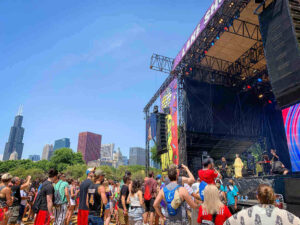
Attending Lollapalooza is more than just a music festival; it’s an immersive cultural experience. Each year, hundreds of thousands of fans flock to Grant Park, transforming the heart of Chicago into a vibrant celebration of music, art, and community. The festival grounds are divided into multiple stages, each hosting simultaneous performances by renowned headliners and up-and-coming artists. This diversity ensures that there’s always something for everyone, whether you’re a fan of established bands or looking to discover new talent.
Beyond the music, Lollapalooza offers a feast for the senses. Art installations dot the landscape, providing visual stimulation and serving as gathering points for attendees. Food vendors from around the city and beyond serve up a variety of culinary delights, reflecting Chicago’s rich culinary scene. From gourmet food trucks to local favorites, there’s no shortage of options to satisfy any craving.
One of the defining features of Lollapalooza is its ability to foster a sense of community among attendees. Despite its massive size, the festival manages to create intimate moments where strangers become friends over shared musical experiences. Whether you’re dancing in front of the main stage or lounging on the grass with friends, the atmosphere is electric with a palpable sense of camaraderie and excitement.
Cultural Impact
Lollapalooza has had a profound impact on music culture, influencing both artists and fans alike. For artists, performing at Lollapalooza represents a career milestone, offering exposure to a large and diverse audience. Many bands credit their breakthrough to the exposure gained from playing at the festival, propelling them to new heights of fame and success.
For fans, Lollapalooza is a pilgrimage—a chance to see their favorite bands perform live and discover new music in a dynamic setting. The festival’s democratic approach to lineup curation ensures that emerging artists have a platform to reach a broader audience, fostering a culture of musical exploration and discovery among attendees.
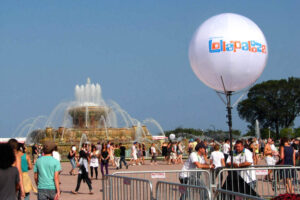
Beyond its musical influence, Lollapalooza has also made significant contributions to local economies and charitable causes. The festival generates millions of dollars in revenue for host cities through tourism and hospitality, benefiting businesses ranging from hotels to restaurants. Additionally, Lollapalooza supports various charitable initiatives, including efforts to promote environmental sustainability and youth education in music and the arts.
Criticisms and Challenges
Despite its popularity, Lollapalooza has not been without its controversies and challenges. Critics argue that the festival’s commercialization has diluted its original countercultural ethos, turning it into a mainstream event focused more on profit than artistic integrity. Issues such as overcrowding, logistical challenges, and environmental impact have also been subjects of concern, prompting organizers to implement measures aimed at mitigating these issues.
Moreover, the festival has faced scrutiny over its corporate sponsors and branding practices, with some questioning the authenticity of its commitment to alternative culture. These criticisms underscore the tension between maintaining artistic credibility and meeting the demands of a growing global audience.
Conclusion
In conclusion, Lollapalooza stands as a testament to the enduring power of music to unite and inspire. From its humble beginnings as a touring show to its current status as a global phenomenon, the festival has shaped music culture and provided unforgettable experiences for millions of fans around the world. While it faces challenges and criticisms, Lollapalooza continues to evolve. Adapting to changing tastes and expectations while staying true to its mission of celebrating diversity and creativity in music. As it enters its fourth decade, Lollapalooza remains a beacon of artistic innovation and communal celebration, leaving an indelible mark on the cultural landscape.
Sources




