















Chicago’s unpredictable hot weather is causing temperatures to rise after a series of devastating floods that left homes filled with water, along with storms and tornadoes. The weather is becoming hotter.
The Chicago area is expected to hit heated temperatures above 90° for several days in a row, with heat near the hundreds.
Chicago’s Office of Emergency Management and Communications (COEMC) suggests that citizens prepare for these hot temperatures by resorting to the lists of the following places to cool down.
Cool Down Areas
-

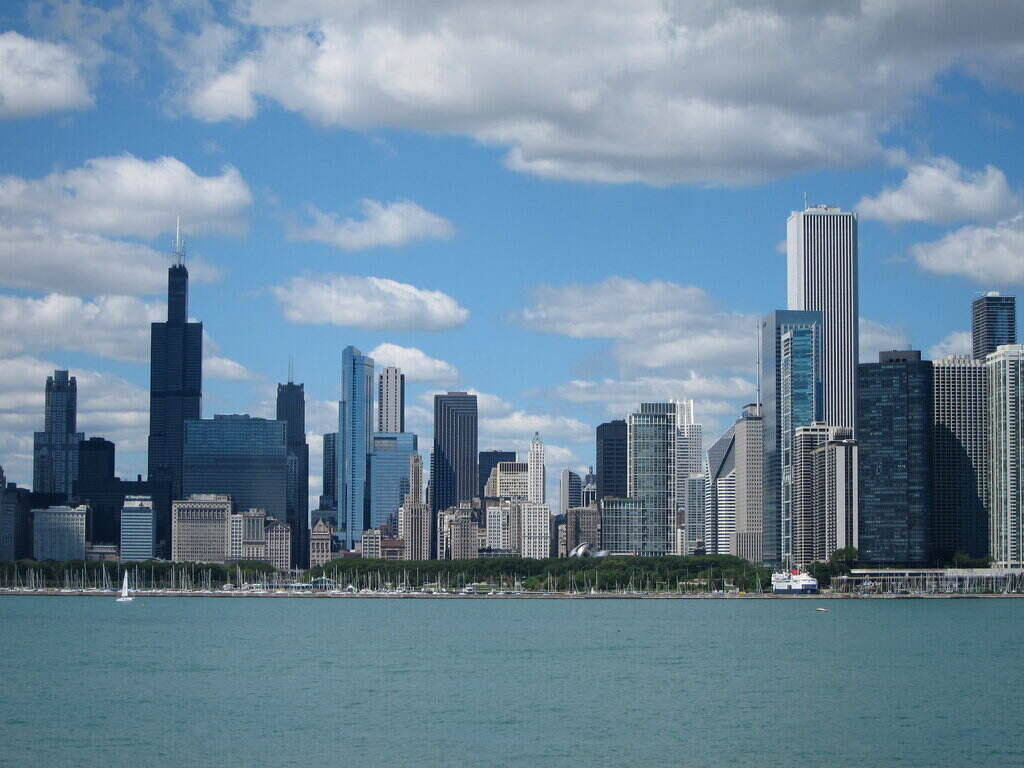
Image Courtesy of Ann Fisher Flickr Page Englewood Center-1140 West 79th Street.
- Garfield Center- 10 South Kedzie Avenue (open 24 Hours).
- King Center – 4314 South Cottage Grove.
- North Area Center- 845 West Wilson Avenue.
- South Chicago Center- 8650 South Commercial Avenue.
- Trina Davila Center- 4312 West North Avenue.
With July being the hottest month of the summer, it’s best for residents to keep themselves safe from this unpredictable hot weather.
Chicago Forecast for July 23-28
As for the forecast of July 23-28, Monday through Friday will have expected high heat all the way through.
Starting off the week, Monday, July 24, 2023, was dry and sunny to start the week with a high of 88°. However, by the lakeside, the highs were in the upper 70s to low 80s.
Tuesday through Thursday were expected to have an expected high of 90°. Wednesday’s weather saw a higher temperature resulting in 92°, with a rise in humidity and muggy air.
Thursday’s temperatures reached a high of around 95°, warmer than the days prior. The heat index made temperatures feel closer to 100°. Friday’s weather dropped down to a high of 92°.
Other ways to Escape the Heat
Residents can also relieve themselves from the heat by going to public spaces like:
- Chicago Public Libraries.
- All of the Chicago Park District Field Houses.
- Splash Pads that are located throughout the city.
Chicago’s Heatwave of July 1995, 27 Years Ago
This isn’t the first time Chicago has experienced unpredictable hot weather. Twenty-seven years ago, July 1995, was one of the hottest heat waves in the city.
The heatwave of 1995 claimed over 500 lives and a hundred more across the Midwest. On July 13 that year, heat levels reached 106° during an event at the Midway Airport, which was the highest temperature recorded in that area.
Heat indices were >120°F for an estimate of at least six hours straight (12-6 p.m.). Temperatures and dew points resulted in a peak heat of 124°-125°.
The National Weather Service and the City of Chicago worked together to create a way for people to receive warnings about extreme heat. Creating a way to watch and forecast the impact the heat has on the health of citizens.
Their goal was to prepare for any future heat waves.
During the heatwave of 1995, the deadly heat and dew points contributed to the extreme heat index (how the temperature feels like on the human body) valued at over 115°F.
June and July Heat vs El Niño
July 4, 2023, was recorded as the hottest day of the month globally, according to the University of Maine Climate Reanalyzer. However, the following two days, July 5 and 6, were even hotter. Experts attribute this heatwave to the warming effects of climate change.
NOAA reports record-breaking high temperatures and rainfall in the U.S. and globally. June was the hottest month, and July 4 was the hottest day on record. Europe also experienced its hottest June ever.
An El Niño, a natural and temporary warming of certain parts of the Pacific Ocean that can affect global weather patterns and bring about additional warmth, has been observed in June and appears to be quite strong, according to scientists.
Causes
Because the heat has been increasing, it’s harming and killing people all over. More than 100 people died outside of the United States and in India.
According to scientists, the primary reason for the increase in temperatures is the long-term warming caused by the burning of coal, oil, and natural gas. Additionally, occasional boosts from natural El Niño warming in certain parts of the Pacific also contribute to this trend.
Warning People About the Heat
The City of Chicago will issue a warning if the following happens:
- Any day the maximum expected heat index is forecast to reach at least 110°.
- Two consecutive days with maximum heat indices forecast to reach at least 105°.
- Three or more consecutive days with maximum heat indices forecast to reach at least 100°.
How To Stay Safe in Unpredictable Heat
Because of the potential to reach dangerous temperature levels, here are ways to stay safe during this time or any time of high heat levels.
Extreme heat can be dangerous for anyone, especially young children and those that require more attention. High heat can cause heat cramps, heat exhaustion, and heat stroke. People could potentially avoid this from happening by:
- Stay out of the sun as much as possible.
- Avoid draining and exhausting outdoor activities.
- Keep the room well-ventilated.
- Never leave children, pets, older individuals, or those with disabilities inside a vehicle.
- Stay Hydrated.
- Make an effort to check in on your neighbors during this wave of heat.
Cooling centers will also be available to keep people hydrated and safe from the heat.
Written by Iyanna R Stanton.
Sources:
NBC Chicago-Chicago area to see ‘hottest air of the season’ with humidity, temperatures over 90 degrees
City of Chicago-Weather Extremes – Extreme Temperatures
ABC News-Sick of hearing about record heat? Scientists say those numbers paint the story of a warming world
Chicago Sun Time-Tuesday set an unofficial record for the hottest day on Earth; Wednesday may break it
Weather-Historic July 12-15,1995 Heat Wave
Inset image courtesy of Ann Fisher‘s Flickr page – Creative Commons License
Top and Featured Image Courtesy of Edward Stojakovic‘s Flickr Page – Creative Commons License




