
















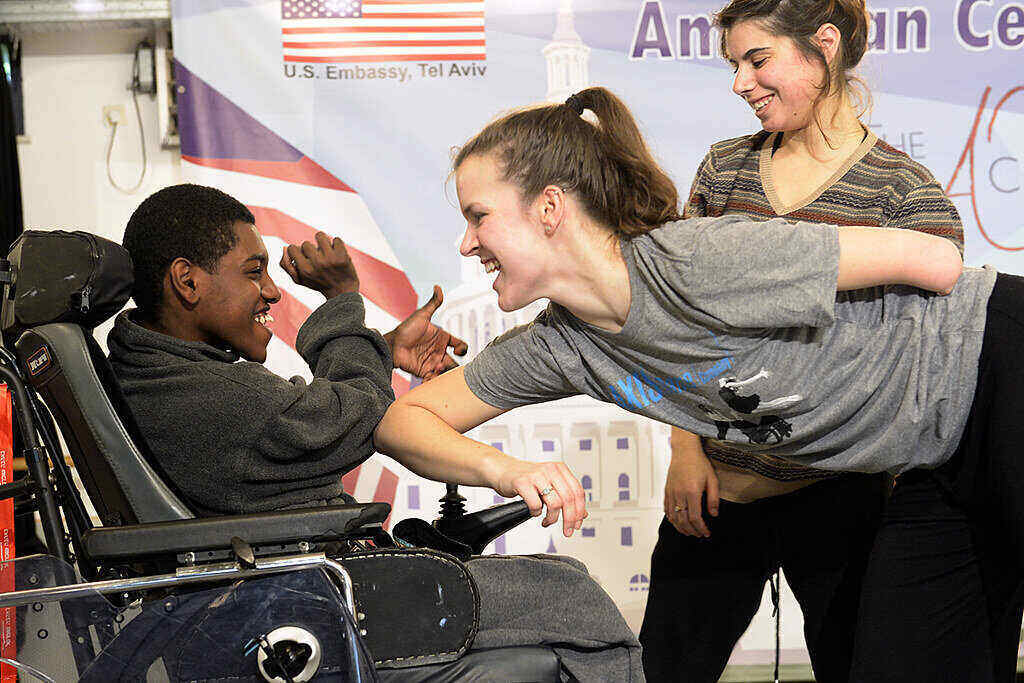
Each child, regardless of disability, is deserving of growing and reaching their full potential.
Inclusive Education: Breaking Down Barriers
Inclusive education is a cornerstone for empowering children with disabilities. By providing accommodations and support within mainstream classrooms, children with disabilities can overcome challenges and embrace their potential. In addition, they can benefit from social interaction, peer learning, and sense of belonging. Inclusive education promotes acceptance and understanding among all students, fostering and inclusive society that values diversity.
The road towards varied and inclusive learning environments is spurred by various compelling benefits. Which greatly impact children with disabilities, educators, and the larger community. Enhanced learning experience is a highly inclusive learning environment, which welcomes a wide range of perspectives, experiences, and ideas into the classroom.
Diversity creates a more engaging and dynamic learning environment and encourages critical thinking and creativity in students. This enriched environment benefits educators by allowing them to adapt and respond to various learning styles and demands.
Assistive Technology: Unlocking Potential
The utilization of assistive technology plays a pivotal role in facilitating the active participation. Also, engagement of children with impairments in their daily activities, whether it be through the provision of communication devices or the implementation of mobility aids. It serves as a crucial tool in helping these children with disabilities to overcome challenges and embrace their maximum potential. In addition, it helps them with the various physical, sensory, and cognitive barriers they may face.
Assistive technology serves as a powerful enabler, assisting individuals who encounter challenges with speaking, typing, writing, remembering, pointing, seeing, hearing, learning, walking, and numerous other aspects of their lives. Assistive technology enables children with disabilities to overcome challenges and to communicate effectively, interact with their surroundings, and navigate their environment with greater ease and independence. Moreover, assistive technology extends its benefits to children with sensory impairments, providing them with tools and devices that amplify or substitute their sensory experiences.
Building Supportive Communities

Supportive communities are essential in creating an inclusive environment for children with disabilities overcoming challenges and embracing potential. Support networks and resources can be provided by families, schools, and community organizations working together. By promoting acceptance, understanding, and inclusion, these communities can help children with disabilities thrive and develop a strong sense of self-worth.
The goal of supportive communities is to build a community by, for, and about disabled people. Everyone can all live their greatest lives. To boost disadvantaged voices and offer life-changing resources, create amusing articles about accessible events and activities, instructional pieces about disabled experiences, and informative ones about useful products and organizations, there is something for everyone!
Advocacy and Awareness: Giving Voice to the Voiceless
Advocacy and awareness campaigns are critical in ensuring that children with disabilities’ rights and needs are acknowledged and addressed. Many can promote good change and a more inclusive society by raising awareness about the issues that these children and their families experience. Advocacy efforts also help shape laws and legislation that safeguard the rights of disabled children. Every child deserves an education and equitable access to it. Throughout a child’s therapy, people most certainly have to advocate for them to ensure that they received the best available care.
Advocacy remains critical as a child begins to reintegrate into their daily life following therapy. Every parent wants this transition to go smoothly, and they want to be prepared to deal with any challenges or “roadblocks” that may arise. As a parent or caregiver, many may be wondering how they can best support their child’s success at home, school, among peers, and in the future. Fortunately, there are numerous ways people can help guarantee that their child is prepared for success.
Celebrating Achievements: Shifting Perspectives
It is of utmost importance to actively and deliberately change the way society perceives and views children with disabilities. This can be done by shifting the focus away from their limitations. Instead placing emphasis on recognizing and celebrating their remarkable achievements is incredibly important. In addition, by shining a spotlight on their unique talents, remarkable accomplishments, and valuable contributions, people have the opportunity to challenge and break down the prevailing stereotypes that surround them.
In doing so, we can foster and promote a society that is truly inclusive. One where individuals with disabilities are embraced and valued for their abilities and potential. When people wholeheartedly acknowledge and celebrate the incredible capabilities of these children, they are empowering them to aim high, pursue their aspirations, and ultimately turn their dreams into reality.
Written by Chiquita Street
Sources
Atia – What is AT?
All Kids Bike – Breaking Barriers: The Vital Role of Inclusive Learning
Aldalliance – Advocating for Your Child or Young Adult
Featured Image Courtesy of U.S. Embassy Jerusalem‘s Flickr Page – Creative Commons License
Inset Image Courtesy of Sharon Sinclair‘s Flickr Page – Creative Commons License




