
















Recognizing the Differences
Many people celebrate education as the great equalizer, providing for everyone. With the chance to grow and flourish, but the truth. Do educational gaps still exist in communities, feeding vicious cycles? Injustice and stifling the potential of many people. This article delves into the underlying reasons for these differences. And looks at possible fixes to advance access and equity for all.
Disparities in education can take many different forms, such as variations in the availability of resources, support networks, and high-quality education. Economic considerations are important since low-income populations frequently have disproportionate. Issues getting access to high-quality education Students from low-income households. They are more likely to attend underfunded schools with more teachers.
Turnover rates and fewer extracurricular opportunities, according to a report by the National Center for Education Statistics (NCES),. The Economic Policy Institute’s research highlights differences in graduation rates. Test scores and college enrollment rates, as well as ongoing. Racial inequities in educational attainment and accomplishment. Segregation, prejudice, and unfair financial allocation are only a few. The historical and structural causes that have contributed to these inequalities.
The Impact of Education Disparities
Disparities in education have long-term effects that go beyond the classroom. Influencing people’s lives and maintaining social injustices affects the public’s prospects. Upward mobility is reduced when they have limited access to high-quality. Education, which exacerbates income disparity and impedes economic progress, According to research that was published in the Journal of Economics, from this perspective, closing the achievement gap can boost earnings and increase productivity.
Which enhances both the general well-being of communities and individuals. Additionally, unequal educational opportunities marginalize underprivileged groups and reinforce them. Power dynamics that sustain social inequality among people from disadvantaged backgrounds. They have a harder time obtaining opportunities for progress when they don’t. Have equal access to education, which feeds the cycle of social exclusion.
Taking Care of the Fundamental Causes
Community participation, policy, and resource allocation are just a few. The areas where coordinated efforts are required to effectively address. Education gaps within the community early childhood education program funding. Reduce gaps early on and give every kid a solid. Foundation for success in school: high-quality early education programs can. The achievement gap has major long-term benefits, such as improved. Graduation rates and greater earning potential, according to the Center on Budget and Policy Priorities.
Equal funding distribution is also essential to guaranteeing that. Schools have the means to deliver high-quality instruction. States must implement funding systems that give underprivileged neighborhoods top priority. Priority and distribution of funds according to student needs rather than. Property taxes additionally affect kids who are having difficulty succeeding. Benefit from focused interventions, including college preparedness programs and tutoring services.
Creating Community Collaborations
overcome educational inequities and promote a positive. Learning environments and community relationships are essential to working together as a government. Agencies, community organizations, and schools may better utilize their resources.
Skills to offer wraparound services that meet the academic. For the social and emotional needs of students, schools can foster. an inclusive and empowered culture that supports student success by actively. Involving parents, caregivers, and community members in the educational process.
Disparities in education within the community provide a complicated. Problem that calls for multidimensional approaches based on justice and equity. We can establish a more equitable and inclusive education. A system that helps every person reach their full potential. Tackling the underlying causes of these inequities and advocating for policies.
That gives access and opportunity to everyone as a priority. By working together and empowering our communities, we can create. A better future in which education acts as a spark for constructive social change. Using information from the 1998 and 2010 kindergarten classes, two academic cohorts assessed their status in their (sec) cognitive and noncognitive skills when starting school.
By Jerome Stuckey
Source :
Economic Policy Institute: Education inequalities at the school starting gate By Emma Garcia
BNN-Internet Safety Labs Unveils Disparities in US School Technology Practices By Mazhar Abbas
ED Week Market Brief: New Federal Report Underscores Tech Sector’s Role in Combating Disparities By Alexandria NG
Inset Image of Giulia Forsythe Creative Commons License
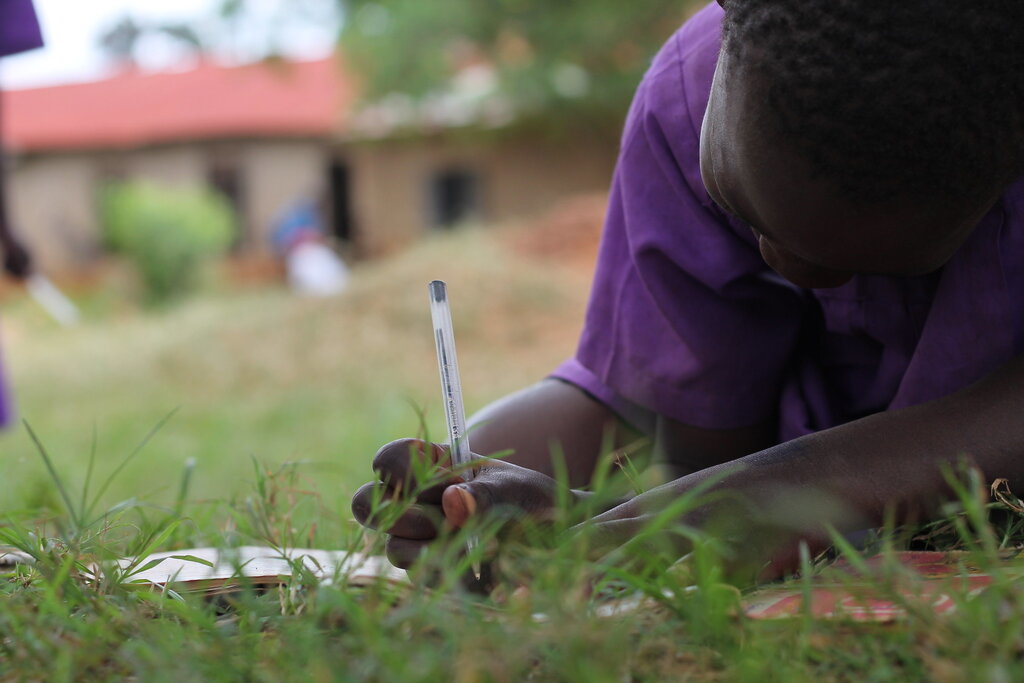
Featured Image by David Walker Courtesy of Overseas Development Institute‘s Flickr Page – Creative Commons License




