
















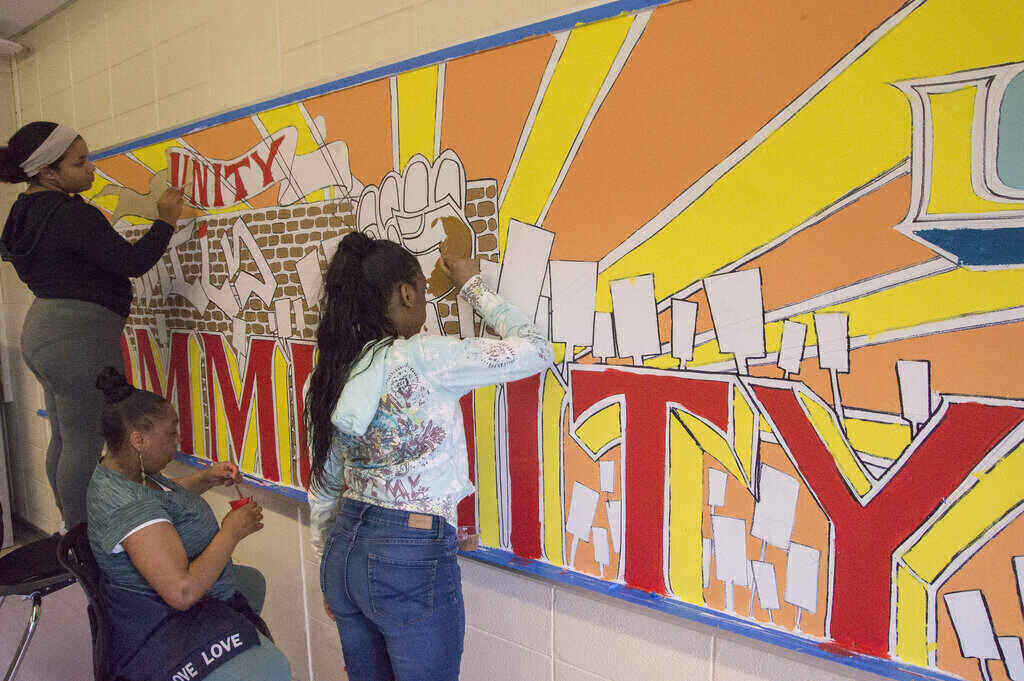
Chicago Public School Code of Conduct and Discipline
Chicago Public School (CPS) have always been developing and guiding themselves with a code of conduct. In order to keep discipline within students and within students to staff.
However, these codes of conduct have been getting very extreme towards students, and students are resenting it. Students are behaving more negatively and disobedient towards their teachers.
Which is why there was a lot of misconduct towards staff. Additionally, it’s why there was a rise on statistics for detentions, suspensions, and expulsions in CPS.
In What Ways Is the Traditional Code of Conduct System Affecting CPS Students
These strategies that deans and principles are following in a lot of the schools is doing more harm than good to those students being affected. CPS using suspensions, detentions, and expulsions as solutions only guide and rises the probabilities for those students to fall under the school-to-prison pipeline.
Some of the groups with the highest statistics of suspensions have been Black and Brown students. In fact, Black male students historically had the highest baseline suspensions and arrests. This demonstrates how with CPS following these protocols they are doing more harm and not actually helping their students.
How Are Restorative Practices Helping CPS with the High Rates of Suspensions?
CPS wants everyone to have a positive and safe environment for the rest of the class. Which is why it is understandable that teachers and staff would take these measures of consequences. However, what can they do after they take on these consequences of detentions, suspensions, and even expulsions to help the students instead of just leaving them with the idea that what they did was wrong, and that they are not “good” students.
The best way to help out these students that might be having misconduct behaviors is to help them and support them with restorative practices. Which is now a strategy that a lot of Chicago Public Schools have been implementing into their systems.
These practices help students have an understanding of how it was wrong what they did or whatever the situation was. It also provides support for the students and to actually talk about it and find ways on how they can improve academically.
Restorative Practices Study In CPS
Actually, there was a study done in Chicago Public Schools in 2014, where they included coaches two or three days a week to help implement the new restorative practices. And to be able to see how these would have an effect on the students.
The results of this study found that the implementation of coaches in schools had the greatest drop in suspensions, compared to schools that did not receive the support from coaches or mentors.
Overall, CPS noticed that the number of suspensions across the school district dropped from 49,708 in 2014 to about 10,000 in 2022, according to agency’s data. That same year of 2014, nearly 34% of Black students received at least one out-of-school suspension, 8% for Latino students, about 4% for white student and 1% for Asian students.
More about Recent Data Statistics
On the other side, in the 2021-2022 school year data, 11% of Black students were given out-of-school suspensions, compared to 3% of Latino students, 1% of white and 0.5% of Asian students.
These statistics show that there has been a significant drop on the amount for suspensions now that restorative practices have been incorporated and practiced with students to improve their conduct and their productivity in academic activities.
Also to reduce the statistics of students falling into the school-to-prison pipeline or incarcerated in their adolescence or adulthood.
Written by Jeanette Sanchez
Sources:
Chicago Sun Times: Black CPS teens benefit most in shift from suspensions to restorative practices
News Break: Black CPS Teens Benefit Most When Suspension is Replaced with the Use of Restorative Practices
The Buffalo News: Are school suspensions effective? Advocate press Buffalo schools to find a better way
NEA Today News: School Suspensions Do More Harm than Good
NEA Today News: What Educators Can Do to Help Dismantle the School-to-Prison Pipeline
Featured Image Courtesy of Milwaukee Teachers’ Education Flickr Page-Creative Commons License
Inset Image Courtesy of San José Public Library Flickr Page-Creative Commons License




