















When the United States experiences a disaster, the data from the 2020 Census will be front in center in times of disaster. ‘Information about how many people live in a town and where they live is critical for emergency response,” according to the government website.
 For this reason, it is of the utmost importance to make sure that every household is counted. Without reliable Census data, the agency would be unable to offer reliable information in a timely manner during disasters.
When a disaster strikes, FEMA uses this data to identify at-risk communities, reports Andrew Hait a statistician for the Census Bureau’s Economic Directorate. These communities include critical business types — hospitals.
The data also helps FEMA understand anything in a community that will increase the risk-factor during a natural disaster, as well as locations to be used for makeshift shelters and centers for emergency response teams.
Moreover, they need to know which counties have at-risk populations like elderly populations. Hait added:
A community that has one large regional hospital has a very different vulnerability profile than a community that doesn’t.
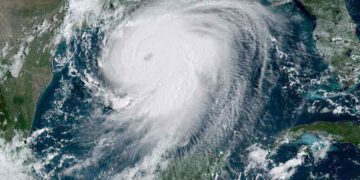
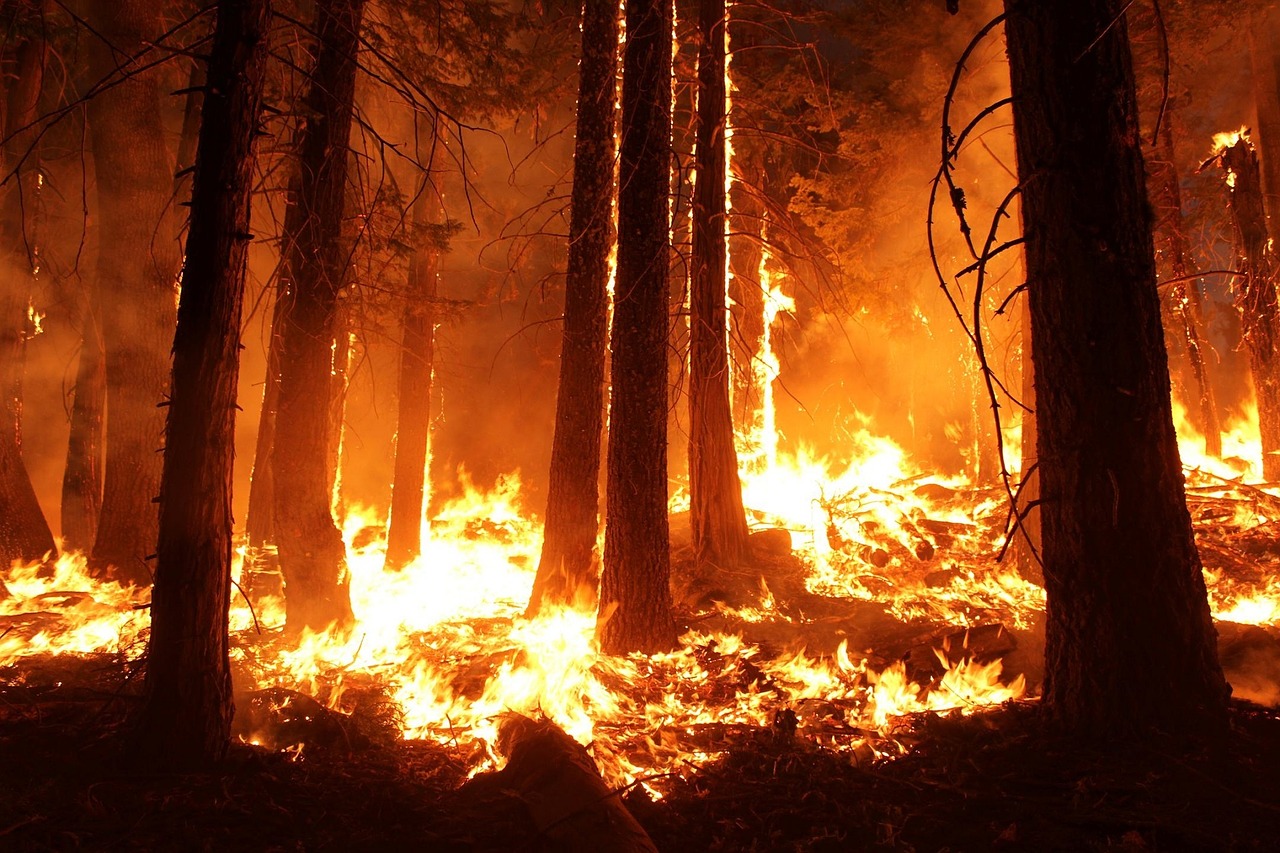
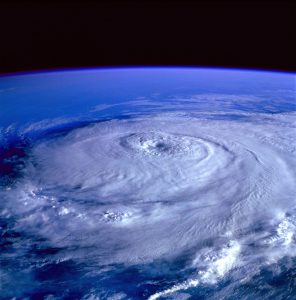
In recent years the Census data assisted FEMA helps areas ravaged by hurricanes, tornadoes, and wildfires fires.
Written by Cathy Milne-Ware
Sources:
Census website: Jumping Into Action When Disaster Strikes; Key Player in Disaster Response: The U.S. Census Bureau
Featured Image Courtesy of skeeze’s Pixabay Page – Creative Commons License
Inset Image Courtesy of David Mark’s Pixabay Page – Creative Commons License




