













In a serene suburb of Australia, where laughter and playful chatter typically fill the air, deadly tragedy struck unexpectedly at a local child care center. The peaceful ambiance was shattered when a deadly snake emerged, claiming the life of a man employed at the facility. This deadly incident not only shocked the community but also reignited discussions about wildlife safety in Australia, where encounters with venomous creatures are not uncommon.
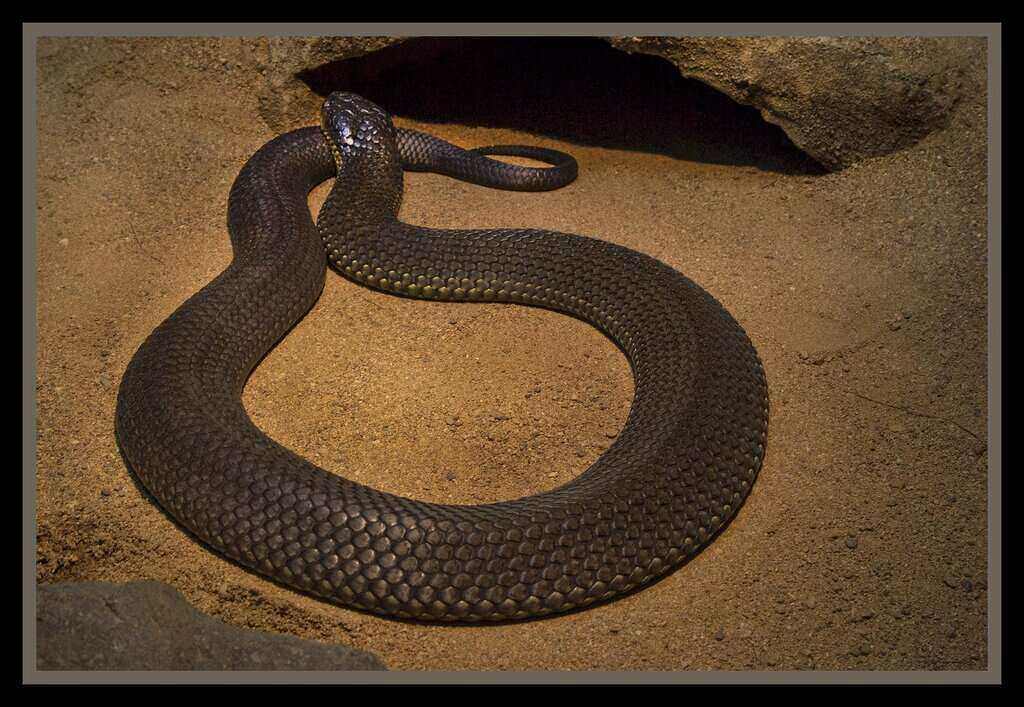
The tranquil setting of the child care center, nestled amidst lush greenery, seemed an unlikely stage for such a grim event. However, Australia’s diverse ecosystem is home to numerous species of snakes. some of which species pose serious threats to human life. Among them, is the eastern brown snake. The eastern brown snake is notorious for its potent venom and aggressive behavior and ranks as one of the deadliest.
What occurred?
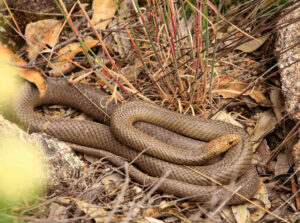
Reports indicate that the deadly encounter occurred when the man, 47-year-old Jerromy Brookes, stumbled upon the snake while performing his duties at the childcare center. Despite efforts to evade the reptile, he suffered a deadly bite. Sadly, he would succumb to the venom’s lethal effects before medical aid could arrive. Tragically, this incident also affected the children under the center’s care. They witnessed a scene no child should ever experience.
The repercussions of such a deadly tragedy extend far beyond the immediate loss of life. It prompts a sobering reflection on Australia’s unique relationship with its wildlife. One where humans and deadly creatures often inhabit the same spaces. While encounters with snakes are not uncommon in rural or semi-urban areas, the intrusion of such peril into a childcare center underscores the importance of wildlife management and education.
Australia’s vast expanses of untamed wilderness harbor a rich array of flora and fauna, but they also present inherent risks. Venomous snakes, though vital components of the ecosystem, pose significant threats to human safety. Consequently, fostering coexistence requires a delicate balance between conservation efforts and public safety measures.
What Did They Say About This Deadly Incident?
In response to this deadly incident, authorities have renewed efforts to educate the public about snake awareness and safety protocols. This includes providing guidance on identifying venomous species, adopting preventive measures to minimize encounters, and administering first aid in case of bites. Moreover, organizations responsible for managing wildlife populations are reviewing strategies to mitigate human-wildlife conflicts, particularly in areas where such interactions are frequent.
Beyond practical measures, the incident underscores the need for compassion and support for those affected by such tragedies. The loss of a colleague, friend, or loved one reverberates deeply within communities, leaving scars that may take time to heal. It is a poignant reminder to prioritize mental health and emotional well-being, offering solace and solidarity to those grappling with grief and trauma.
Furthermore, the incident prompts broader reflections on humanity’s place within the natural world. As urbanization encroaches upon natural habitats, human-wildlife interactions become increasingly inevitable. While technological advancements and urban development offer conveniences and opportunities, they also bring us closer to the untamed wilderness, where dangers lurk unseen.
In navigating this delicate coexistence, respect for nature’s inherent complexities is paramount. Australia’s wildlife, though awe-inspiring in its diversity, demands reverence and caution. Understanding and appreciating the roles these creatures play in the ecosystem can foster a deeper sense of stewardship and responsibility among communities.
How do The People feel?
As the shockwaves from this tragic incident ripple through the community, they serve as a somber reminder of the fragility of life and the unpredictability of nature. Yet, amidst the grief and sorrow, there emerges a resilient spirit—a resolve to learn, adapt, and forge ahead. Through collective efforts in education, conservation, and community support, we strive to honor the memory of those lost and build a safer, more harmonious future for all.
Moreover, this incident raises pertinent questions about infrastructure and safety standards, especially in environments where children are present. Childcare centers, playgrounds, and schools must not only adhere to rigorous safety protocols but also conduct regular assessments of potential hazards, including wildlife encounters. Ensuring the well-being of children and staff should be paramount, requiring collaboration between regulatory bodies, educators, and the broader community.
Additionally, the tragedy serves as a wake-up call for individuals to acquaint themselves with the wildlife in their surroundings, regardless of whether they reside in urban, suburban, or rural areas. Awareness of local fauna, their habitats, and behaviors can empower individuals to take proactive measures to minimize risks and respond effectively to wildlife encounters. Education campaigns, community workshops, and online resources can play pivotal roles in disseminating this crucial information to the public.
Conclusion
Furthermore, the incident highlights the importance of swift and coordinated emergency response systems. In situations involving deadly venomous snakebites or other wildlife-related emergencies, rapid access to medical assistance can mean the difference between life and death. Investing in emergency preparedness training for first responders and ensuring timely access to antivenom can significantly enhance outcomes in such critical scenarios.
In memory of the man who lost his life in this tragic event, and in solidarity with his grieving family, friends, and colleagues, communities must unite to honor his legacy. This includes advocating for enhanced wildlife safety measures, supporting initiatives that promote coexistence with native fauna, and fostering a culture of compassion and resilience in the face of adversity. Together, we can transform tragedy into an opportunity for growth, learning, and collective action, ensuring that future generations can thrive in harmony with the natural world.
Written By: Terraya Hunt
Sources
CBSNews: Australian man dies after being bitten by highly venomous snake while trying to remove it from child care center
People: Father Dies From Snakebite While Trying to Remove Venomous Snake From Childcare Center
USA Today: Man dies after being bitten by snake at Australian childcare center: reports
Featured Image: Courtesy of John’s Flickr page, CCO.
Inset Image: Courtesy of Nathanael Coyne’s Flickr page, CCO.




