
















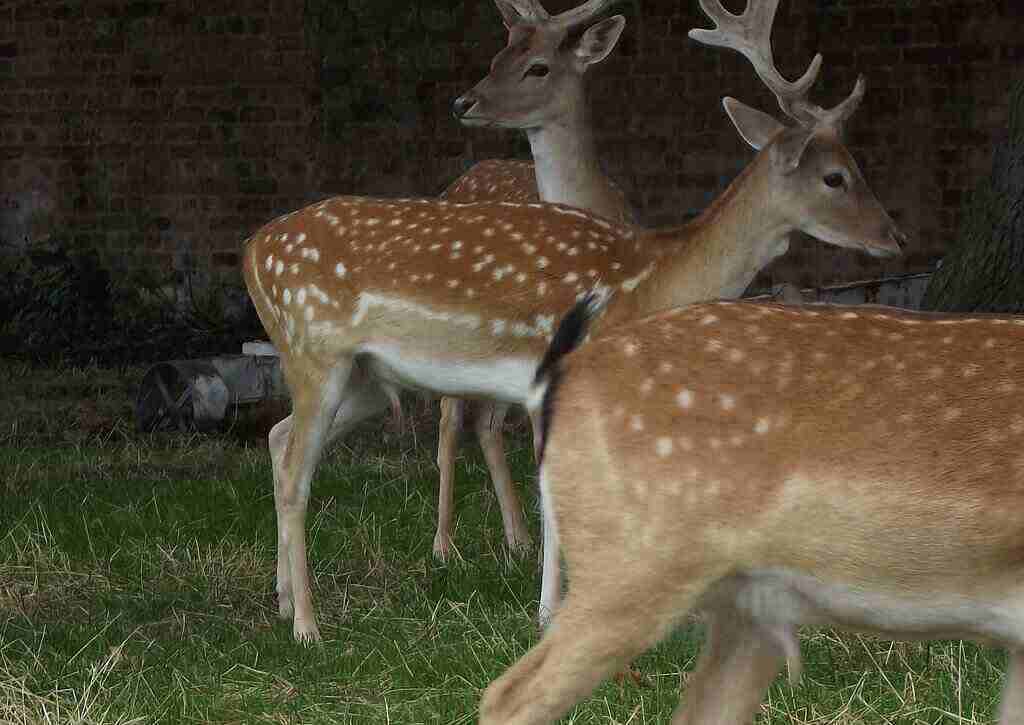
Hunting Deers
Deer hunting, conservation, tradition, and ethical considerations. There aren’t many outdoor pastimes with as much cultural and traditional roots as deer hunting. People have been hunting deer for food, recreation, and conservation for ages. Deer hunting, however, has become a hot topic of discussion in recent years, with supporters praising its advantages for managing wildlife and opponents voicing ethical and animal welfare concerns. This article will examine the various facets of deer hunting, including its ethical implications and contribution to conservation.
Deer are widely distributed throughout the world, especially in North America, Europe, and some regions of Asia. White-tailed and mule deer are two of the most common kinds. Deer are crucial in ecosystems, regulating plant numbers and providing food for wolves and cougars. However, overgrazing due to exceeded habitat capacity can lead to degradation and conflicts with people.
Population Concerns
Controlling and regulating deer populations is one of the main goals of deer hunting. Wildlife managers can limit the detrimental effects of overcrowding and preserve healthy deer populations by carefully harvesting deer through controlled shooting seasons and quotas. Deer populations can easily become out of control without natural predators to keep them in check, which can cause ecological imbalances and an increase in confrontations between humans and wildlife.
Furthermore, funds for wildlife management initiatives, habitat restoration initiatives, and conservation activities are frequently provided by the money collected from deer hunting licenses and fees. These grants assist with fieldwork, teaching, and research projects that safeguard deer and their environments. Deer hunting is therefore a useful strategy for managing habitat and conserving animals.

Deer hunting is an important cultural and traditional practice for many people worldwide, even outside of its benefits to conservation. Hunting deer has been a way of life for many families and communities for many decades. It’s a way to get food, clothing, and other resources. Deer hunting is closely associated with spirituality, ceremonial, and reverence for the natural world in many traditional cultures.
Reindeer hunting is not without its ethical concerns, nevertheless, despite its lengthy history and cultural value. Hunting’s detractors contend that it is needless and intrinsically cruel, particularly in this day and age when there are plenty of other options for obtaining food. They question the morality of killing for entertainment or sport and express worries about the suffering that hunted animals go through.
Different Methods
When hunting hunters hunt for many reasons such as, conservation, tradition, and ethical Considerations. Many hunters highlight the significance of ethical hunting methods, such as fair pursue, swift and humane kills, and respect for the prey. This is in reaction to these worries. By utilizing the proper equipment and ammunition, improving their marksmanship, and abiding by the stringent rules and restrictions established by wildlife organizations, ethical hunters aim to reduce suffering as much as possible.
In addition, some hunters choose to participate in initiatives such as meat donation programs, wherein harvested deer meat is cooked and donated to nonprofit organizations such as food banks and homeless shelters. In addition to helping local communities combat poverty and food insecurity, this reduces waste.
In addition, hunters are increasingly adopting the concept of “trophy hunting with a purpose,” where the objective is not only to take a trophy animal for display but also to support conservation efforts and local communities. Trophy hunters help boost populations by hunting older animals past their prime breeding years, leaving younger ones to contribute.
Should People Stop Hunting Deer?
Reindeer hunting is a complicated and diverse topic that takes ethical, traditional, and conservation concerns into account. It is vital to the control of deer populations and the preservation of wildlife, but it also presents significant ethical, animal welfare, and human-animal relations issues. Both hunters and non-hunters may contribute to maintaining the sustainability and moral integrity of reindeer hunting for future generations by encouraging ethical hunting methods, honoring wildlife and their habitats, and having meaningful conversations.
Some believe hunting for fun or sport raises moral concerns about taking lives for human enjoyment. They contend that hunting for pleasure is morally unacceptable in contemporary communities with easily accessible alternative food sources.
Concerns regarding the welfare of deer and other hunted animals are raised by opponents of hunting. They contend that if animals are not dispatched of their prey quickly and humanely, hunting may result in protracted agony. They also dispute the pain and stress that hunting activities inflict on wildlife populations.
There are others who contend that hunting activities by humans upset the natural ecological equilibrium. While deer populations may exceed habitat capacity, opponents of culling believe natural mechanisms like predation and disease regulate numbers. However, if you still want to hunt make sure you have conservation, tradition, and ethical considerations in thought.
Written by Ashley Moore
Sources:
Meat Eater – How I Made Deer Hunting Fun Again by Mark Kenyon
Harpole’s Heartland Lodge: 7 Quick Tips for Finding Deer Sheds by Zach Jumps
The New York Times: Deer Are Everywhere, but We Barely Know Them by Ashley Stimpson
Featured Image Courtesy of Heather Smithers Flickr Page – Creative Commons License
Inset Image Courtesy of Tim (and Julie) Wilson Flickr Page – Creative Commons License




