















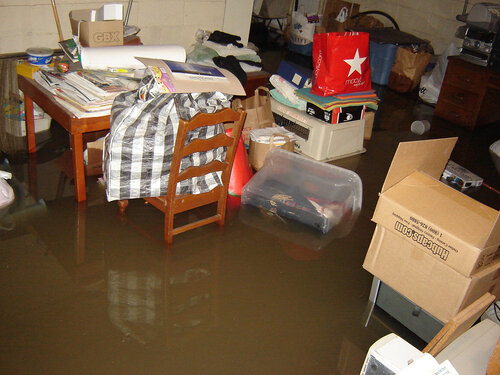
The Federal Emergency Management Agency (FEMA) is now working with residents and local aid in assisting people with finances to fix damages caused by flooding. Between June 29 and July 2, Chicago, and other areas in Cook County, experienced heavy rainfall causing severe flooding. On August 15, President Joe Biden officially approved the disaster declaration for Cook County. This allows people to connect with FEMA to have an inspector come check out the damages so they can receive assistance in recovering from the flooding aftermath.
Apply For Assistance
Those who are in need of help are now a slew of federal resources they may qualify for. The declaration allows individuals and business owners to apply for grant for:
- Temporary housing.
- Property losses.
- And so much more.
FEMA has requested that people reach out to their insurance companies before submitting a claim with them. Those without insurance can immediately file a claim with the agency. To apply people can call 800-621-FEMA (3362), use the FEMA smartphone app, or go to www.DisasterAssitance.gov.
Information Needed
Residents will need to five FEMA pertinent information when applying. Such as:
- A current phone number where they can reach you.
- Address of where you were living at the time of the disaster.
- The address of where you are staying now.
- A generalized list of losses and damages.
- Bank details if choosing to have funds direct deposited.
- Insurance company and/or agents name if you don’t know your policy number. This only applies to those with insurance. FEMA cannot help with losses already covered by the insurance company.
If anyone wants to gain further knowledge about the Cook County disaster declaration can visit the agency’s webpage; fema.gov/disaster/4728. Some of the funding available are considered a loan and will need to be paid back. However, a good portion of the grants will not require people to pay them back.
Recent Data on Flood Zones
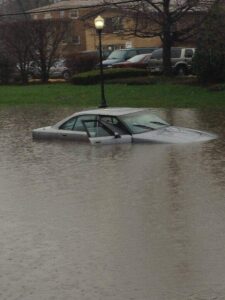 The First Street Foundation found there are 172,000 properties in Cook County that have a high risk of flooding. Of those, 79,000 reside in Chicago. That is far more than FEMA’s maps show. Due to the guidelines, only homes that fall in the federal governments high-risk flood zones are required to be notified about the potential flood risk when they are purchased.
That means there are a lot of individuals that can be told they don’t need to worry about flooding when they actually do. For example, Kindy Kruller told the Chicago Sun-Times that when she purchased her Portage Park home she didn’t think it could flood. There had been no records of it flooding there and both the home inspector and real estate agent assured her there were protections in place if it were to flood.
However, in her more than six years living there her basement has had water seep in four times. This includes after the record-setting rainstorm in July that left six inches of water in her basement. Now, Kruller’s family has fans, dehumidifiers, and a submersible pump to rectify the situation. Kruller even stated they have their “hoses in place” so the situation can be dealt with immediately.
Properties in Chicago on FEMA’s Maps
Unfortunately, less than 1% of properties in Chicago are in areas that FEMA deems to be a high-risk flood zone. Additionally, those properties in the deemed zones are required to have flood insurance.
The flood maps created by FEMA are the primary tool used to communicate flood risks across the nation. However, they only display high-risk areas deemed susceptible to a “100-year flood.” Which is something that experts say only has a 1% chance of happening in a given year.
“There’s all this unknown risk that exists across the country that people just don’t know about because it’s not captured in the federal-facing flood maps,” said Jeremy Porter, who leads climate implications research for the First Street Foundation.
By Sheena Robertson
Sources:
NBC Chicago: Biden approves disaster declaration for Chicago-area flooding
Chicago Sun-Times: Many more Chicago-area homes have a higher risk of flooding than people realize, research finds. Here’s why.
Block Club Chicago: Here’s How West Siders Can Apply For Federal Flood Assistance
FEMA: Illinois Severe Storms and Flooding
Top and Featured Courtesy of Mary Anne Enriquez‘s Flickr Page – Creative Commons License
Inset Image Courtesy of WBEZ‘s Flickr Page – Creative Commons License




