















Chicago’s Meatpacking History
Chicago is known for many things, from the Magnificent Mile to pizza and even the Willis Tower. Though it isn’t as well known currently, Chicago’s meatpacking industry was also well known. Processing mainly meats from veal, pork, and beef, some companies even sold pelts. Poet Carl Sandburg once referred to Chicago as the “Hog Butcher for the World” in his poem entitled “Chicago.”
Being in the center of grazing land and set between railroad connections made it a great spot for transporting and housing livestock. In 1890, over 12 million cattle and pigs were processed through the stockyards. This gave purpose to the Fulton Wholesale Market Company.
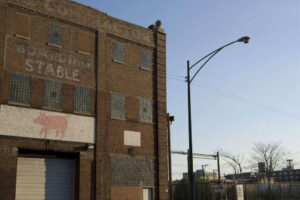
Fulton Market used to be a hotspot for meat processing plants. It was made up of multiple smaller packing companies, but was home to larger companies as well. Companies such as Swift, still a functioning company to this day, and Armour, another larger meat packaging company that is now defunct.
Randolph, a few blocks away, was home to a large market square that supplied Chicago with most of its fresh produce. Randolph’s market history dates far back to Chicago’s beginnings. A building called West Market Hall, between Des Plaines and Randolph. Bringing in local farmers and companies leaning to the building of permanent wholesale markets.
Fulton’s Current Meatpacking
However, with the Fulton Market being filled now by restaurants, there are few meat processing companies left. Many are closing or changing locations, such as the 30-year-old Peoria Packing Butcher Shop. The company plans to move locations in the next few months to North Lawndale.
Employee and president of Peoria Packing Butcher Shop, Harry Katsiavelos, an employee, has stated that the location change is necessary. With so many other businesses leaving the area and the new North Lawndale developments, he believes it was a necessary decision. The new location will feature a deli and meat processing area.
Monique Scott, Alderwoman of the 24th Ward, believes the location move to be for the best. Even though she doesn’t partake in eating meat, she’s well aware of how in-demand and lucrative fresh meat is for the community.
Scott added she has been working to move Peoria Packing Butcher Shop to her ward since a 2022 community meeting.
What’s Coming Next
In the wake of Peoria Packing’s move, the soon-to-be-open location already has developers planning on what’s to come. A 46-story apartment complex is to replace the location of the moving butcher shop. The apartment building will house 593 apartments and be 530 feet tall. The proposed 1300 West Lake Street building would be roughly $250 million to create.
Due to Chicago’s Affordable Rental Ordinance 20%, at least 108 of the units are required to be affordable within the means of the average yearly income. The building will feature:
- A parking garage.
- A pool.
- Two green roofs.
- A dog run.
- Along with an additional tenant for a restaurant or café with an open patio.
Few Remain
Though Fulton is losing Peoria Packing, there are still a few local butchers that will remain there and keep the industry alive. One such is the Cougle Commission Company and Pioneer Meatpacking Company. Cougle is a company established in 1873. It provides Chicago and the Midwest with poultry. They claim to be some of the finest in the area.
Also, with the incoming construction of the apartment complex, many new opportunities will be generated. Such as new jobs with the need for construction and staffing for the building. Also, an influx of housing, including mandated affordable units. Though one of the last Fulton butchers is leaving the area, it seems that good will come of it.
Written By AriAnna Rathers
Sources:
Austin Weekly News– Peoria Packing Butcher Shop Moving From Fulton Market To North Lawndale
Block Club Chicago-Developer Proposes 46-Story Apartment Tower For Growing West Loop Skyline
Cougle Foods– About Us
Fulton Grace- A Brief History of Chicago’s Fulton Market
Pioneer Wholesale Meat– About Us
WTTW– Ask Geoffrey: A (Brief) History of Fulton’s Market
Featured Image Courtesy of Paul Morgan’s Flickr page – Creative Commons License
First Image Courtesy of Erin’s Flickr Page – Creative Commons License




