















Chicagoans Struggle with the Weather
As winter settled in, Chicagoans braced themselves for the bone-chilling cold that is synonymous with the Windy City. Yet, this winter, the icy grip of the polar vortex brought with it a challenge that many residents were unprepared for: the lack of heat in their homes.
As temperatures plummeted, heating systems faltered, leaving countless households shivering in the bitter cold. The struggle against winter’s wrath was compounded by the absence of warmth, highlighting systemic issues and sparking conversations about resilience and support within the community.
In a city known for its resilience in the face of harsh weather conditions, the lack of heat during the cold snap became a pressing issue that demanded attention. Reports flooded in from various neighborhoods, detailing the struggles of residents enduring freezing temperatures indoors.
From malfunctioning furnaces to inadequate insulation, the reasons behind the lack of warmness varied, but the consequences were uniformly dire. Families huddled together under layers of blankets, seeking refuge from the biting cold that seeped through their homes.
For many, the inability to access adequate heating was not just an inconvenience but a matter of survival. Vulnerable populations, including older people, children, and individuals with health conditions, faced heightened risks as they grappled with the extreme cold. Concerns about hypothermia and frostbite loomed large, prompting urgent calls for assistance from both local authorities and community organizations.
Chicagoans’ Way of Keeping Warm
As the temperature continued to plummet, the city mobilized resources to address the crisis. Shelters opened their doors to provide temporary relief to those without heat, offering warmth and essential supplies to those in need. Community centers and churches also stepped up, organizing warming centers and distributing blankets and hot meals to residents facing the cold without proper heating.
However, the challenges persisted, exposing deeper issues related to housing and infrastructure in Chicago. Decades-old buildings with outdated heating systems struggled to keep up with the demand, highlighting the need for investments in maintenance and upgrades. Insufficient insulation and poor energy efficiency further worsen the problem, contributing to energy waste and escalating utility bills for residents already facing financial strain.
The lack of heat during the cold snap also underscored the disparities that exist within the city. Neighborhoods with lower-income residents and communities of color were disproportionately affected, amplifying existing inequities in access to essential services. As temperatures plunged, the divide between those who could afford to stay warm and those who could not became glaringly apparent. This prompting calls for systemic change and greater support for marginalized communities.
Improving
Amidst the adversity, stories of resilience and solidarity emerged from the frosty landscape of Chicago. Neighbors checked in on each other, offering blankets, space heaters, and moral support to those struggling to stay warm. Community organizations rallied together, coordinating relief efforts. Advocating for long-term solutions to address the underlying issues contributing to the lack of warmness.
In the aftermath of the cold snap, discussions turned towards building greater resilience and preparedness for future emergencies. Calls for improved emergency response protocols and better communication channels resonated across the city, as residents and officials alike reflected on lessons learned from the crisis. Efforts to bolster energy efficiency and upgrade heating systems. Which gained momentum, signaling a commitment to ensuring that no one will struggle during the harsh winter months.
Things to do to Keep Warm
As the icy grip of winter loosens its hold on the city, Chicagoans emerge from the cold snap with a renewed sense of community and determination. The challenges posed by the lack of heat served as a stark reminder of the importance of solidarity and support in times of crisis. Moving forward, the city looks towards a future where every resident has access to safe and reliable heating. This will ensure that no one will have to face the bitter cold alone.
To stay warm and avoid problems in cold weather, layer clothing starting with moisture-wicking materials followed by insulating layers like fleece or wool. Ensure extremities are covered with hats, gloves, and warm socks. Stay hydrated and consume warm drinks and foods to maintain body heat. Minimize exposure to wind and moisture by seeking shelter and using windproof and waterproof outer layers.
Written by Ashley Moore
Sources
NBC Chicago: Here’s how to stay safe in the brutal weather
WBEZ: More Chicagoan’s lacked heat in January than any other month since 2019 amid historic cold
Chicago Tribute: Mapping a threat, Climate change’s bring deadly summer heat may deepen disparities in Chicago
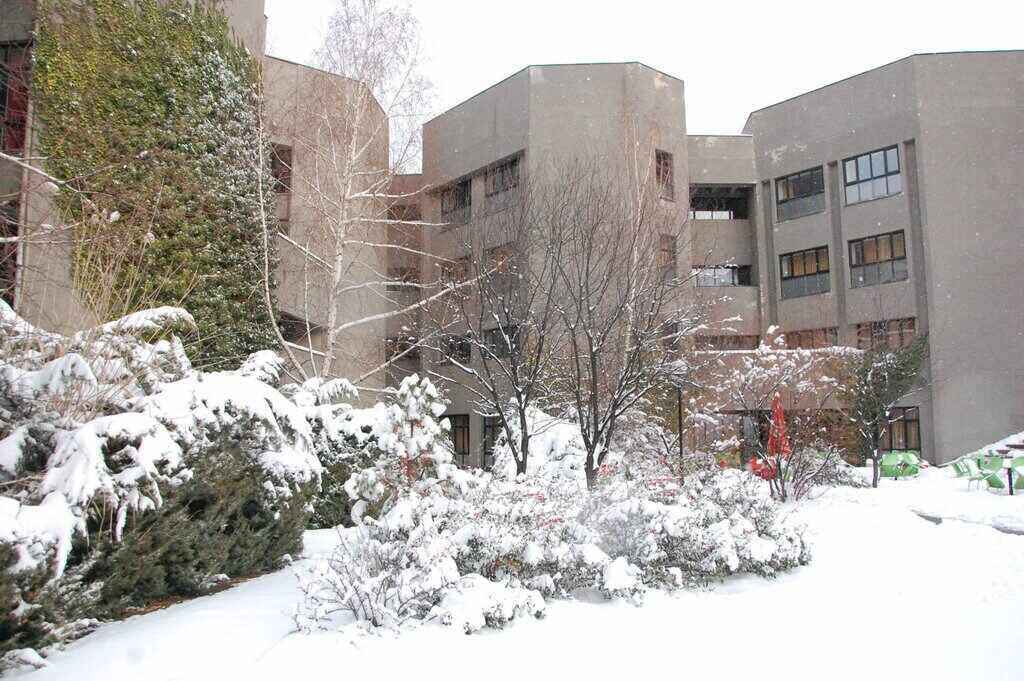
Featured Image Courtesy of Eltpics Flickr Page – Creative Commons License




