
















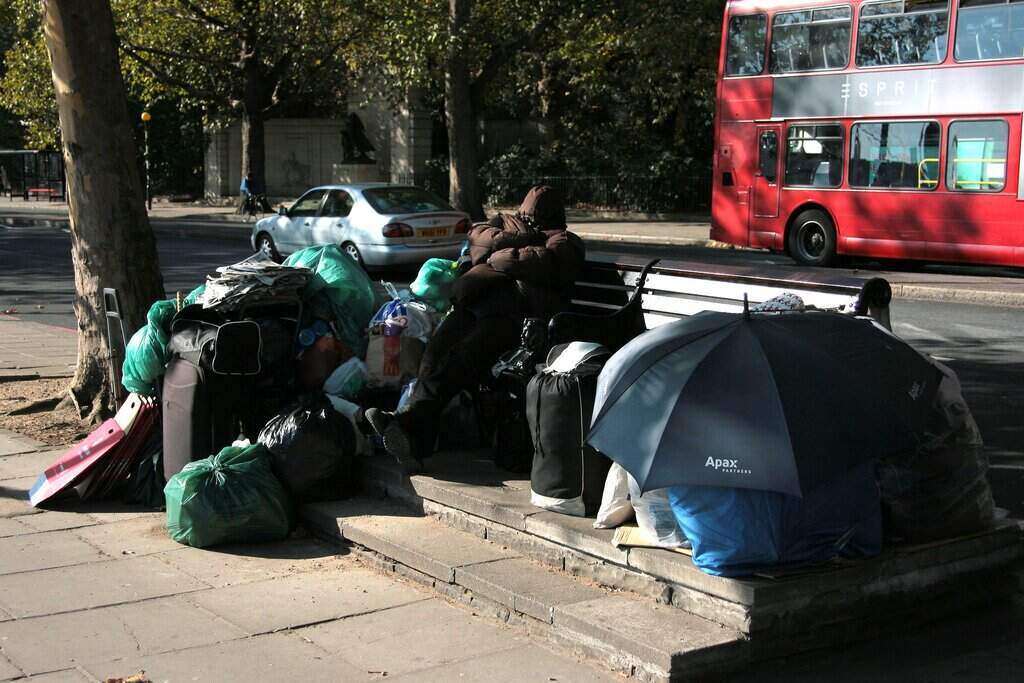
Homelessness is a large issue in the city of Chicago.
The History of Homelessness
Chicago is the third largest city in the United States with a population of almost 2.7 million people. The city has always struggled with homelessness due to its large size and difficult history. In the 1800s, certain events led to Chicagoans struggling to find housing. In 1871, came the Great Chicago Fire, which lasted for 36 hours. Around 300,000 people resided in Chicago at the time of the fire, which ended with one-third of them losing their homes and 300 people losing their lives. So many charities from around the globe helped residents of the ruined city rebuild and expand it within a year.
The city would then face another issue in 1893 — depression! Stock prices rose, banks closed, businesses failed, unemployment rose, and people struggled to afford homes, so they faced homelessness and starvation. Luckily, all of this ended in 1897, but Chicago gained a large number of homeless individuals around this time.
The late 19th century came around and the city experienced huge industrial growth, becoming the nation’s railroad hub. Thousands of native-born, itinerant workers came to Chicago on the railroads in search of jobs, but they struggled to find low-cost shelter, so they lived in temporary housing or on the streets.
By the 1950s, the city’s need for itinerant workers decreased and experienced postwar prosperity. The homelessness percentage decreased, but in the 1980s, however, the percentage increased again for plenty of reasons. A recession occurred in 1981, and advancements in technology displaced low-skill workers. Ultimately, this caused gentrification, which eliminated much of the low-income housing as more affluent residents moved into the area.
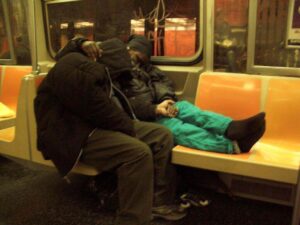
The Causes
Lack of affordable housing is one cause of homelessness. People face eviction, instability, and homelessness due to having no housing options. Housing costs are increasing and incomes are stagnant, which makes affordable housing out of reach for many. As a nation, we’re experiencing one of the worst affordable housing crises in history.
Oftentimes, houses with low income don’t earn enough to pay for essential needs. In order to get out of poverty, people must have a living wage. A living wage is supposed to make sure that all full-time workers are compensated enough to live above the federal poverty level.
Domestic violence experiences are the main reason that people become homeless. They are common among youth, single adults, and families. Many survivors of domestic violence become homeless when leaving abusive relationships.
The Four Types of Homelessness
There are four types of homelessness that citizens of the United States face.
Transitional: The result of a substance use disorder, domestic abuse, job loss, health condition, divorce, or personal or family crisis. People who go through this enter transitioning housing programs for a limited time or sleep in their cars or outside.
Episodic: The result of people who are currently unhoused or experienced three periods of homelessness within the last 12 months. The groups of people who deal with episodic homelessness are usually young or deal with a disabling condition like mental illness or physical health conditions. A few episodically unhoused people have seasonal or minimum wage income jobs.
Chronic: The result of what episodic homelessness becomes without adequate resources and support. Someone who experiences chronic homelessness is defined as “an unaccompanied homeless individual with a disabling condition” who has been homeless for more than a year. People who experience this have a troubled mentality that makes it hard to escape homelessness.
Hidden: The result of individuals who live with others for a short amount of time without a permanent home. Because of the lack of housing support, resources, and lack of identification, they’re ‘hidden’ from national statistics on homelessness. Young people who have experienced a terrible life change or trauma make up the majority of this population.
By Kam’ron Stintson
Encyclopedia of Chicago: Homelessness and Shelters
Red Nose Day: What are the four types of homelessness?
Unity Parenting & Counseling: Main Causes of Homelessness in Chicago
Top and Featured Image Courtesy of SLR Jester’s Flickr page – Creative Commons License
Inset Image Courtesy of larryfishkorn‘s Flickr page – Creative Commons License




