
















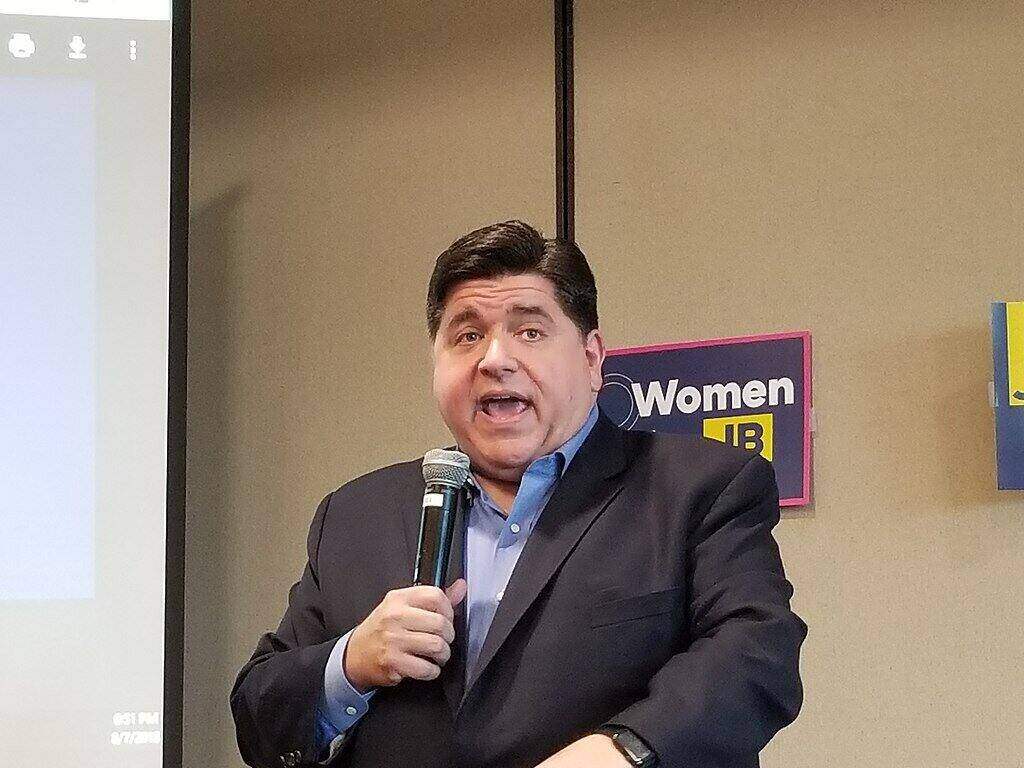
Illinois Freedom to Work Act amendment will start being enforced on Jan. 1, 2022. Governor JB Pritzker signed Senate Bill 672 (SB 672) into law on Aug. 13, 2021. This bill amends the Illinois Freedom to Work Act — the “Act” — limiting when restrictive covenants are entered after the new year begins.
In the workforce, this is a covenant not to compete. When they are used in a work contract they must be reasonable to be enforceable. This means it must be reasonably necessary to protect the legitimate interests of the partnership or employer. The restrictive covenant must not impose an undue hardship on the individual(s) concerned, and it must not harm the public interest.
The amendment to the Act does not apply retroactively. Originally, the restrictive Illinois Freedom to Work Act was signed into law by Governor Bruce Rauner in 2016. It became effective on Jan. 1, 2017. The original bill prohibited employers from requiring “low-wage employees” to enter non-competition agreements. It also declared these agreements to be “illegal and void.”

Originally, the Illinois Freedom to Work Act defined “low-wage employee” as any hired hand earning less than $13.00 per hour or the applicable state, local, or federal hourly minimum wage, whichever was greater.
Senate Bill 672 amends Section 5 and 10 of the Illinois Freedom to Work Act and adds Sections 7, 15, 20, 25, 30,35, and 97. It eliminates the term “low-wage employees;” instead it expands protections to any worker who earns — or is expected to earn — $75,000 or less per year. The new law will apply to the majority of Illinois’ 5.5 million employees.
Data from the United States Census states that Illinois employees earned on average $36,038 per year as of 2019. The new bill will prohibit employers from entering into customer non-solicitation or employee non-solicitation agreements with an employee who is expected to or does earn $45,000 or less per year.
For the most part, the amends to the Illinois Freedom to Work Act codify existing case law by requiring that non-solicitation and non-competition agreements:
- To be supported by adequate consideration;
- Do not impose an undue hardship on the employee;
- Are ancillary to a valid employment relationship;
- Are no greater than required to protect an employer’s “legitimate business interests;”
- Are not injurious to the public.
The Act embraces Illinois Appellate Court decisions by defining “adequate consideration” as meaning the employer offered adequate consideration to support the agreement, or the employee worked for the employer for at least two years after signing the restrictive covenant.
The Section 7 portion summarizes a non-exhaustive list of components for courts to examine when they are evaluating whether a restrictive covenant is properly tailored to protect an employer’s business interest.
The Illinois Freedom to Work Act empowers courts to alter “blue-penciling.” Meaning employers must carefully draft narrow restrictions and only include the ones needed to protect their legitimate business interests.
SB 672 also requires employers to advise employees in writing to consult with a lawyer before agreeing to a restrictive covenant. Then, employers must give their employees two weeks — 14 days — to review the proposed restrictions.
Employers have a little over a month left to review and make any appropriate changes to their non-competition agreements and policies.
Written by Sheena Robertson
Sources:
JD Supra: Illinois Amended Freedom to Work Act – What Employees and Employers Need to Know
Merriam-Webster: Legal Definition of restrictive covenant
Top and Featured Image by SecretName101 Courtesy of Wikimedia – Creative Commons License
Inset Courtesy of Government of Alberta’s Flickr Page – Creative Commons License




