
















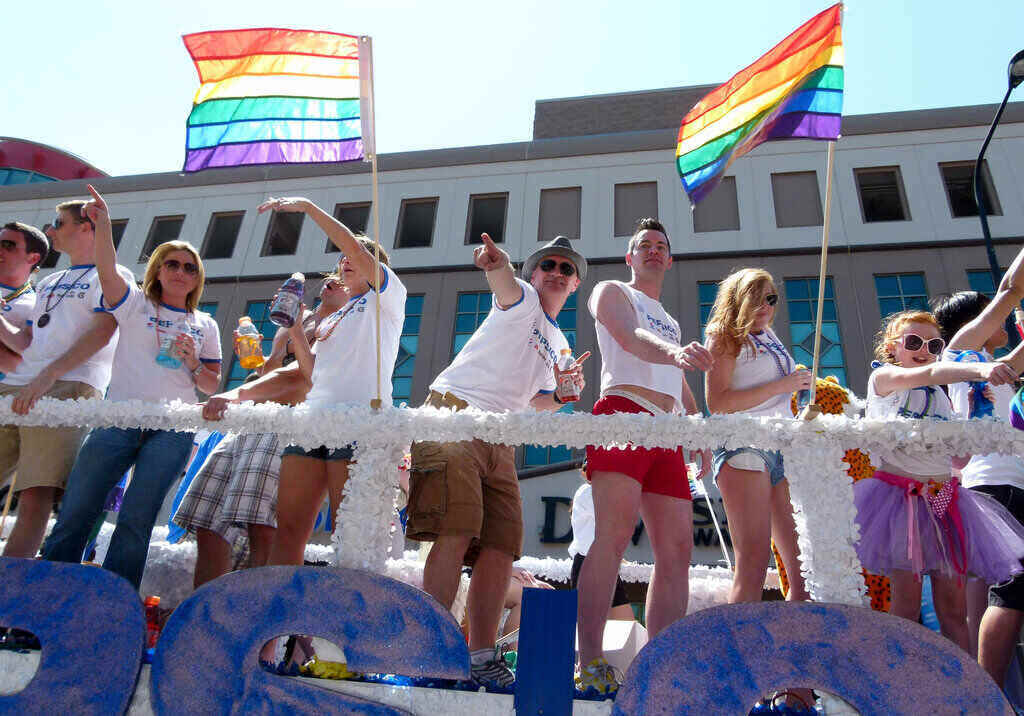
The LGBTQ+ community is an acronym for Lesbian, Gay, Bisexual, Transgender, and Queer. It represents a diverse group of individuals who have faced unique challenges throughout history. We will explore the meaning of LGBTQ, discuss why it faces judgment, delve into its origins, and explore how it all began.
What does LGBTQ stand for?
An inclusive term that encompasses various sexual orientations and gender identities. Let’s break it down:
- Lesbian: a homosexual woman or girl.
- Gay: sexually or romantically attracted to people of one’s own sex (used especially for a man).
- Bisexual: sexually or romantically attracted to both man and woman or to more than one sex or gender.
- Transgender: Refers to individuals whose gender identity differs from the sex assigned to them at birth.
- Queer: An umbrella term used to describe sexual orientations and gender identities that don’t fit into traditional categories.
Why does LGBTQ face judgment?
Unfortunately, there are still misconceptions and prejudices surrounding the LGBTQ+ community. Some people may judge and discriminate against them due to a lack of understanding, fear, or adherence to traditional beliefs. However, it’s crucial to promote acceptance, respect, and equal rights for all.
“Never allow intimidation to silence you. Never accept the label of ” Fudt “Accept no one’s definition of your life; define yourself.”
Origins and Historical Context
The LGBTQ rights movement has its roots in various social justice movements throughout history. It gained significant momentum in the late 20th century, with brave individuals and activists advocating for equality, visibility, and the right to love whomever they choose. The LGBTQ+ community has always existed. Even in ancient civilizations, although their experiences and acceptance varied across different cultures and periods.
Stonewall Riots in 1969, The Stonewall Inn in New York City became the site of a series of protests which made demonstrations by LGBTQ+ individuals, following a police raid. These incidents are credited with sparking the LGBTQ rights movement.
Transgender Rights 2000s-present the transgender rights movement has gained visibility and fought for legal recognition, healthcare access, and protection against discrimination. Many countries have implemented policies to support transgender individuals.
The fight for Marriage Equality started in the 2000s and ended in the 2010s the fight for marriage equality gained momentum worldwide. Landmark cases, such as the legalization of same-sex marriage in the United States in 2015, marked a significant victory for rights. This is Information about the LGBTQ+ Community that will be passed down for years to come.
How did it all begin?
The LGBTQ rights movement began as a response to societal discrimination, violence, and the denial of basic human rights. It emerged from the collective efforts of individuals and allies who fought for equality, challenging harmful stereotypes, and demanding recognition and respect. Over time, significant progress has been made. This includes legal victories, increased visibility, and greater acceptance in many parts of the world.
Understanding the LGBTQ community is essential to fostering a more inclusive and accepting society. By educating ourselves, challenging prejudices, and promoting love and respect for all individuals, we can create a world where everyone can live authentically and without fear of judgment or discrimination.
Flags
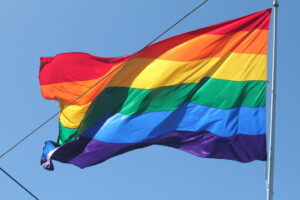
Flags are powerful symbols of pride, diversity, and solidarity within the LGBTQ community. Each flag represents different identities and experiences, highlighting the importance of inclusivity and acceptance. One of the most well-known flags is the Rainbow Flag, designed by Gilbert Baker in 1978. It consists of six colorful stripes, Each representing different aspects of the community, Starting with red for life, Orange for healing, Yellow for sunlight, Green for nature, Blue for harmony, and purple for spirit.
This flag is a powerful symbol of diversity, inclusivity, and pride. In addition to the rainbow flag. Some flags represent specific identities within the community, First the transgender flag, the Bisexual flag, the Pansexual flag, and many more as well. These flags serve as a way to celebrate and honor the unique experiences and identities within the LGBTQ community.
Pronouns
Pronouns are an important aspect of respecting and affirming someone’s gender identity. Furthermore, pronouns are the words we use to refer to someone instead of their name. While many people use he/him or she/her pronouns, there are also gender-neutral pronouns like they/them that are commonly used by non-binary individuals.
It’s essential to use the correct pronouns for someone to show support and inclusivity. By using the right pronouns, we can create a more inclusive and accepting environment for everyone in the community. Remember, it’s always best to ask someone for their pronouns and use them accordingly.
Written by Genesis Nichols
Sources
Nationals Institutes of Health – The Health of Lesbian, Bisexual, and Transgender People: Building a Foundation for Better Understanding by Nationals Institutes of Health
Volvo Group – LGBTQ+ Pride Flags and What They Stand For by Volvo Group
University of Wisconsin Milwaukee – Gender pronouns LGBTQ by University of Wisconsin Milwaukee
Featured Image Courtesy of Jamie Bernstein’s Flickr – Creative Commons
Inset Image Courtesy of Quinn Dombrowski’s Flickr – Creative Commons




