















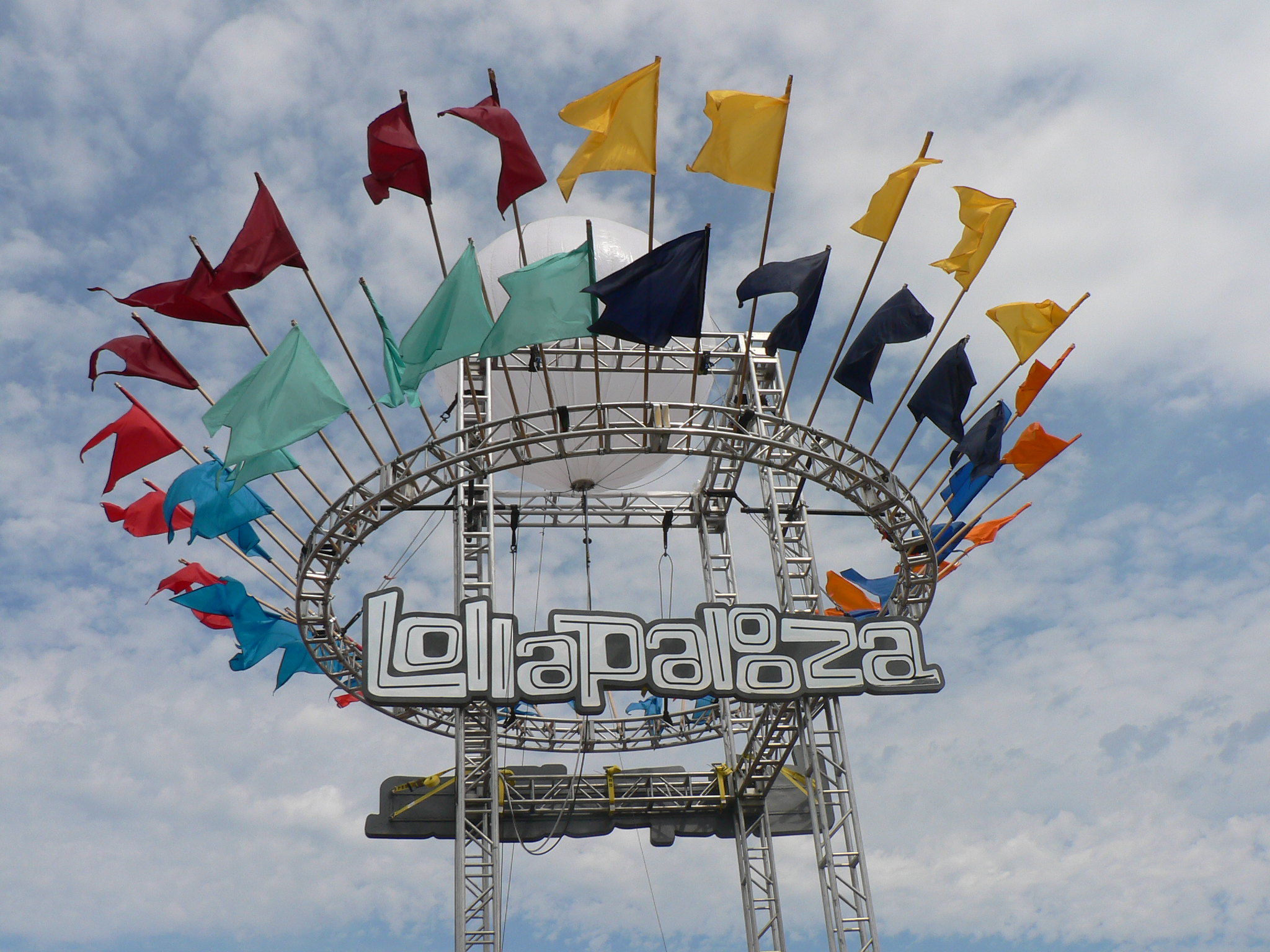
Lollapalooza, or Lolla, is a name that resonates with music enthusiasts worldwide and has transcended its humble beginnings to become one of the most iconic music festivals globally. Born out of the alternative music scene in the early 1990s, Lollapalooza has evolved into a cultural phenomenon, showcasing a diverse array of musical genres, art installations, and immersive experiences. This article delves into the journey of Lollapalooza, tracing its roots, exploring its growth, and examining its enduring impact on the music industry and beyond.
Origins and Founding
Lollapalooza was the brainchild of Jane’s Addiction frontman Perry Farrell. In 1991, Farrell conceived the idea
of a farewell tour for Jane’s Addiction, aiming to create a unique experience that merges music, art, and activism. The inaugural Lolla tour featured an eclectic lineup, including bands like Sioux Sue and the Banshees, Nine Inch Nails, and Ice-T, among others. Its unconventional format and diverse offerings struck a chord with audiences, laying the foundation for what would become a groundbreaking festival.
Cultural Impact and Expansion
Following its successful debut, Lolla festival overtime quickly gained traction and became synonymous with the burgeoning alternative music scene of the 1990s. It provided a platform for emerging artists and fostered a sense of community among fans who embraced its countercultural ethos. As the festival gained momentum, it expanded beyond its initial format, incorporating elements such as art installations, performance art, and activism. Lollapalooza evolved over time becoming more than just a music festival; it was a cultural event that celebrated creativity, individuality, and social consciousness.
More Information
After a decade of successful runs, Lolla went on hiatus in 2004 due to declining ticket sales and logistical challenges. However, the festival made a triumphant return in 2005, thanks to the efforts of Farrell and partnering organizations. The revitalized Lollapalooza embraced a new format, transitioning from a touring event to a destination festival held annually in Chicago’s Grant Park. This strategic shift proved to be a game-changer. Allowing Lolla to attract larger crowds and secure its status as a premier music festival.
Global Expansion and Brand Extension
Building on its renewed success, Lollapalooza evolution began to expand its footprint globally, hosting editions in cities such as Berlin, Paris, Buenos Aires, and Sao Paulo. Each international iteration retained the essence of the original festival while incorporating local influences, artists, and cultural elements. Additionally, The festival branched out into new ventures, including LollaShop, Lolla Cashless, and Lolla Cashless Pay, offering attendees enhanced experiences and convenience.
Innovation and Sustainability
As Lollapalooza continued to grow, it prioritized innovation and sustainability, implementing initiatives to reduce its environmental footprint and embrace technology. From eco-friendly initiatives like recycling and composting to digital advancements such as cashless payments and mobile apps, Lolla remained at the forefront of event management practices. By integrating cutting-edge solutions with a commitment to environmental stewardship, the newly evolved Lollapalooza set a new standard for large-scale festivals worldwide.
Legacy and Influence
Over the years, Lollapalooza has left an indelible mark on the music industry. It influenced not only festival culture but also the broader landscape of popular music. Many artists credit Lollapalooza with providing them a platform to reach new audiences and establish their careers. Moreover, the festival’s inclusive programming and emphasis on diversity have helped shape conversations around representation and inclusion in the music industry. As the music festival continues to evolve and adapt to changing times, its legacy of innovation and cultural relevance remains firmly intact.
More to Come
From its humble beginnings as a farewell tour to its current status as a global music powerhouse. The Lollapalooza festival has undergone a remarkable evolution over the past three decades. What began as an experiment in alternative entertainment has blossomed into a cultural institution. It began shaping the music landscape and inspiring generations of fans and artists alike. As Lolla looks to the future, its commitment to creativity, diversity, and sustainability ensures that its legacy will endure.
Political groups, nonprofits, and the visual arts have all been present during the event. Every July, the festival is expected to draw 400,000 attendees and sell out. One of the biggest and most established music festivals in the world is Lolla. Furthermore, the festival has been held annually in the US for many years.
Chicago was chosen as its permanent home. Hip-hop, electronic dance music, punk rock, alternative rock, and heavy metal are some examples of music genres.
Written By: Adrianna Murrell
Sources :
NBC NEWS: Lollapalooza announces 2024 Chicago lineup by day, by NBC Chicago staff
WLS- TV: Lolla: The Story of Lollapalooza, by Michael John Warren
The Motley Fool: What is the Lollapalooza Effect?, by Motley Fool Staff
Featured Image Courtesy Mark Moschell’s Flickr – Creative Commons License
Inset Image Courtesy of Fuzzy Gerdes’ Flickr – Creative Commons License




