














Many people believe the results of a long lifespan stem from eating right and exercising, but they’re mistaken. The real source is oxygen deficiency. This term also goes by the name of Intermittent Hypoxia (IH). Having IH, it would mean that the air in the body hasn’t or cannot reach the tissues throughout it. It could also mean that there isn’t enough air either. Yes, it may seem unsound that a longer lifespan can be achieved through hypoxia, but the science behind it further proves it to be true. Besides an increased lifespan, this deficiency has many benefits through something called “hypoxia training.”
The Experiment to “Longer lifespan”
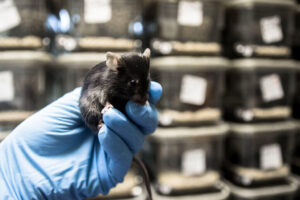
As mentioned, oxygen deficiency is the cure for a longer life span. To back this up, scientists at the Massachusetts general hospital have the evidence to prove this fact. These researchers grouped together mice they genetically bred for shorter life spans.
Note: these mammals still showed classic signs of mammalian aging throughout their bodies. The groups depended on the age of each mouse. They all were introduced to a substantial amount of air while others faced Intermittent Hypoxia.
The quality of air for the mice living in the IH levels can even be compared to what would be expected at a camp base at Mount Everest. According to their article, “the team reported the mice in the oxygen-restricted environment lived about 50% longer than the mice in normal oxygen levels, with a median lifespan of 23 weeks compared to 15 weeks. The oxygen-restricted mice also had delayed onset of aging-associated neurological deficits.” Despite this, they reported that even with these results, they’ll need more evidence to further prove its capabilities in “human trials.”
The Effects of Hypoxia Training
To begin with, hypoxia training involves “exercising in, living in or otherwise breathing oxygen reduced air.” This practice improves the body’s athletic performance and physical wellness. Some of the other benefits noted by these exercises include:
- Enhancing athletic performance.
- Providing the same health benefits as low-calorie diets.
- Improvement of mental cognition, brain plasticity, and body composition.
- Reducing the risk of cardiovascular disease.
- Longer endurance in physical movements.
This method has been used by the military, athletes, and other “sport-based” organizations over the years, but this training can be used by anyone. In the U.S., sarcopenia, or the loss of muscle, along with the body’s aging is a common concern for older people.
However, Frontiers in Psychology stated that hypoxic training can benefit these muscle tissues. In this study, researchers teamed up with Geriatric Rehabilitation professionals, and both parties saw that the changes in their bodies stemmed from using a “low intensity” leveled workout plan combined with hypoxic training, rather than a higher-intensity workout only.
How to simulate training sessions
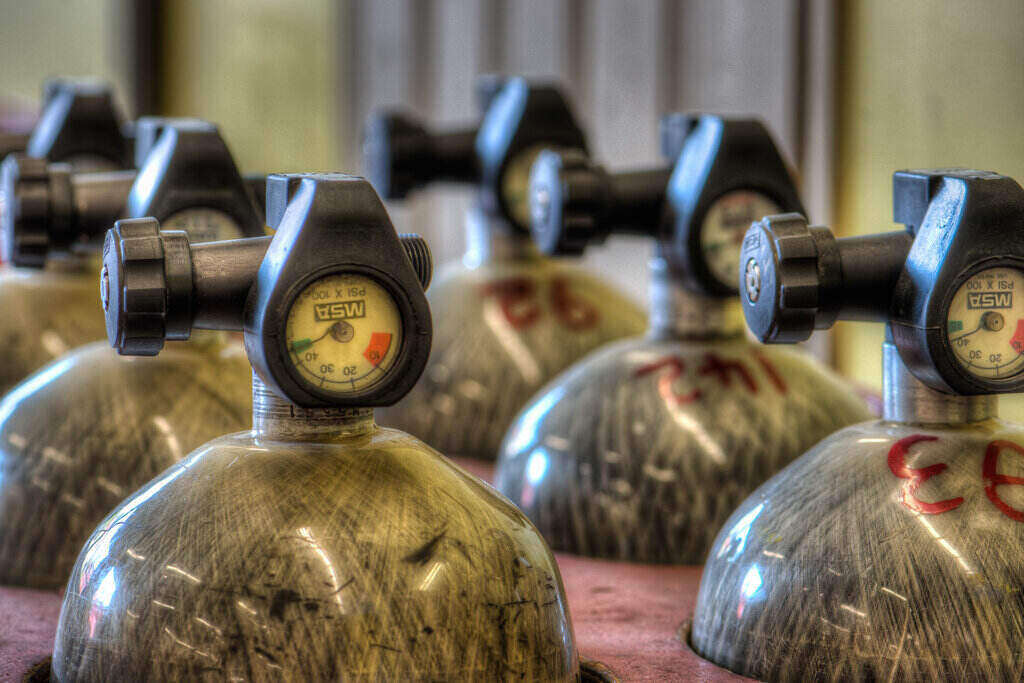
A renowned company by the name of Hypoxico creates “oxygen deficient” chambers that allow the body to breathe through a mask while exercising. To order these online, people can go to hypoxico.com. For “first time buyers,” renting these chambers is a better alternative. Another option is to have a built-in, low-oxygen training environment within one’s home. This method is the most recommended because it doesn’t tether you to an oxygen mask. However, it is the most costly.
By: Khalyse Hemingway
Sources:
Safeopedia.com: What does oxygen deficiency mean
Medicalnewstoday.com: Oxygen restriction helps fast-aging mice live longer, study reports
neurosciencenews.com: Reduced Oxygen Intake Linked to Extended Lifespan
NIH: Endurance Training in Normobaric Hypoxia Imposes Less Physical Stress for Geriatric Rehabilitation
NIH: Intermittent Hypoxic Training and Its Benefits for the Body
hypoxic.com: TRAIN ABOVE THE REST
Inset Image by Michael Gabelmann‘s Flicker Page -Creative Commons License
Featured Image Courtesy of Marco Verch Professional Photographer Flicker Page -Creative Commons License




