
















The Startling Reality
Recent research shows that a lot of people in Chicago have mental health problems that they haven’t gotten help for. This is a big problem that affects many people, families, and the whole community. Importantly, in this problem, the Black community is affected more than others.
The Root of the Problem
Getting help for this issue in Chicago is hard. Some neighborhoods don’t have enough doctors, so it’s tough to get care. Money problems make it even worse. Not having enough insurance means people have to choose between getting help and paying for important things like food and housing.
How It Affects the Person
Mental health can change how you feel, think, and act, as well as your overall well-being. It can make you have strong or lasting emotions, affect how you think, and even show up physically as stress-related issues. When your mental health is not good, your actions might change, your daily life may get harder, and it can put stress on your relationships. It affects your happiness, self-confidence, and how well you can do things. It’s also linked to your physical health, so it’s important to get help and support for better mental well-being.
How It Affects the Community

The consequences of having it untreated extend far beyond individuals and have particularly harsh effects on the Black community. These challenges increase the risk of substance abuse, homelessness, and involvement in the criminal justice system, creating a burden that ripples through families, friends, and communities.
Proper Mental Health Importance
Understanding the vital importance of proper health cannot be overstated. Mental health is not just the absence of mental illness; it’s the foundation of overall well-being. It influences how individuals think, feel, and act, shaping their ability to cope with stress, build relationships, work productively, and make meaningful contributions to their communities.
How the Body Is Affected
Proper mental health is not only essential for emotional well-being but also for physical health. There’s a profound connection between the mind and body. When mental health deteriorates, it can lead to a range of negative physical health outcomes.
Individuals experiencing poor mental health are more susceptible to chronic conditions such as heart disease, diabetes, and hypertension. Stress, often a result of untreated mental health challenges, can trigger physical reactions in the body, leading to increased inflammation and weakened immune function.
Additionally, the impact of a poor mental state on lifestyle choices cannot be underestimated. Individuals grappling with untreated mental illness may engage in unhealthy behaviors such as overeating, excessive alcohol consumption, or lack of physical activity, all of which contribute to a decline in physical health.
How To Cope With It
Recognizing the importance of coping strategies is crucial for individuals struggling with this challenge. Coping mechanisms can help individuals navigate their emotions and maintain their well-being. Some effective coping strategies include:
1. Seeking Professional Help: Encourage individuals to reach out to mental health professionals for therapy, counseling, or medication if needed.
2. Support Networks: Building a strong support network of friends and family members who can provide emotional support and understanding.
3. Mindfulness and Meditation: Practicing mindfulness and meditation techniques to manage stress and improve emotional regulation.
4. Regular Exercise: Engaging in physical activity can release endorphins, which boost mood and reduce symptoms of anxiety and depression.
5. Healthy Eating: Maintaining a balanced diet that nourishes the body and mind.
6. Adequate Sleep: Prioritizing good sleep hygiene to ensure proper rest and recovery.
7. Journaling: Keeping a journal to express thoughts and feelings can be a therapeutic outlet.
8. Limiting Substance Use: Reducing or eliminating alcohol and drug use, can exacerbate mental health challenges.
9. Engaging in Creative Activities: Pursuing hobbies and creative outlets to promote self-expression and relaxation.
Awareness and Support Teams
Recognizing and addressing the impact of poor mental health on family dynamics is crucial. Efforts to reduce stigma and raise awareness can help families better understand and support their loved ones, both emotionally and in terms of their physical health. Local organizations and community leaders work tirelessly to dispel misconceptions and create an environment where individuals feel comfortable seeking help and where families can access the resources and guidance they need.
- National Alliance on Mental Illness (NAMI) HelpLine: 1-800-950-NAMI, or text “HELPLINE”
- 800-662-4357 SAMHSA’s National Helpline
- Self-Harm Hotline: 1-800-DONT CUT (1-800-366-8288)
- Crisis Text Line: Text REASON to 741741
By: Khalyse Hemingway
sources:
Illinois.gov: Healthcare Transformation Collaboratives
mhanational.gov: Black and African American communities and mental health
mcleanhospital.gov: black mental health: what you need to know
namica.org: MENTAL HEALTH IN BLACK COMMUNITIES: CHALLENGES, RESOURCES, COMMUNITY VOICES
columbiapsychiatry.org: Addressing Mental Health in the Black Community
minorityhealth.hhs.gov: Mental and Behavioral Health – African Americans
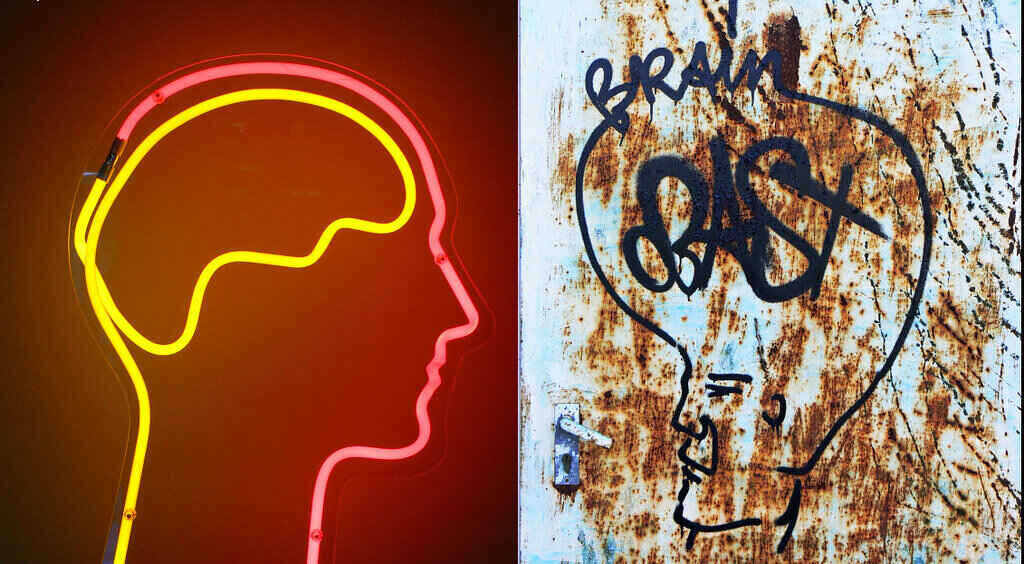
Inset Image Courtesy of Alan Levine Flickr Page – Public Domain License
Featured Image Courtesy of dierk schaefer Flickr Page – Creative Commons License




