















The Democratic National Convention, set for August, is in the planning stages, with experts crafting financial strategies for the event.
The $70 million proposal to fund migrants in Chicago is sourced from a reserve was established for migrant support, supplemented by ‘rainy day’ funds. Since August 2022, the city has allocated close to $300 million towards providing food, shelter, and care for immigrants, as reported by the mayor’s office.
In that period, more than 34,000 migrants have been redirected to Chicago.
While the influx of migrants to Chicago has decreased lately. The city has expressed a desire to be ready for any potential surge in newcomers from the border.
Recently, the city reported that close to 10,000 migrants are currently residing in shelters throughout Chicago.
Funds and Shelter
The funding request was incorporated into the initial budget plan, which Gov. JB Pritzker’s office had detailed in February. Gov. Pritzker and Cook County Board President Toni Preckwinkle announced an investment of $250 million for immigrant aid. Together with the Johnson administration, they estimated the total expenditure for shelter and services this year to be $321 million.
The council has sanctioned a substantial grant amounting to $48 million since the $70 million Proposal to Fund Migrants in Chicago Sourced from state and federal funds. This will be primarily utilized to address the city’s accrued debts, particularly those pertaining to staffing and shelter costs.
On April 12, 2024, the Mayor’s Office reported that aldermen received briefings throughout the week on a forthcoming proposal. This proposal is set to be introduced to the City Council Budget Committee. Following approval from the committee, the proposal will advance to the full City Council for consideration.
Following the city’s enforcement of the 60-day shelter limit, city records indicate that 101 migrants have been relocated from shelters. The number of these individuals who have opted to return to the city’s migrant landing zone to seek shelter again remains uncertain.
From August 2022 to date, Chicago taxpayers have shouldered $87.4 million in costs for assisting 39,000 migrants. Moreover, state and federal grants have supplemented these efforts with an additional $223 million allocated for migrant support.

Budget
Budget Director Annette Guzman has stated clearly that without the additional funding derived from unallocated city surpluses, there could be a domino effect that would overburden city resources, forcing migrants to seek shelter in hospitals, parks, and police stations.
Vice Mayor Ald. Walter Burnett has cautioned that this could lead to a critical situation if no action is taken. The Tribune reported on these statements, as well as on concerns expressed by Ald. Chris Taliaferro, who highlighted the necessity of prioritizing the needs of current residents, especially those affected by recent summer flooding. Additionally, Ald. David Moore has underscored the need to urgently address gun violence, as evidenced by a spate of recent shootings.
The City
City officials have emphasized the necessity of increased funding to avert potential unrest in anticipation of the Democratic National Convention. Considering the possibility of a surge in asylum seekers due to historical patterns and upcoming events.
Progressively, state authorities are pledging to create more shelter beds and provide financial resources to alleviate city expenses. Concurrently, the decline in shelter occupancy, attributed to enforced stay limitations and a measles outbreak, underscores the need for a robust and immediate approach to migrant support in Chicago.
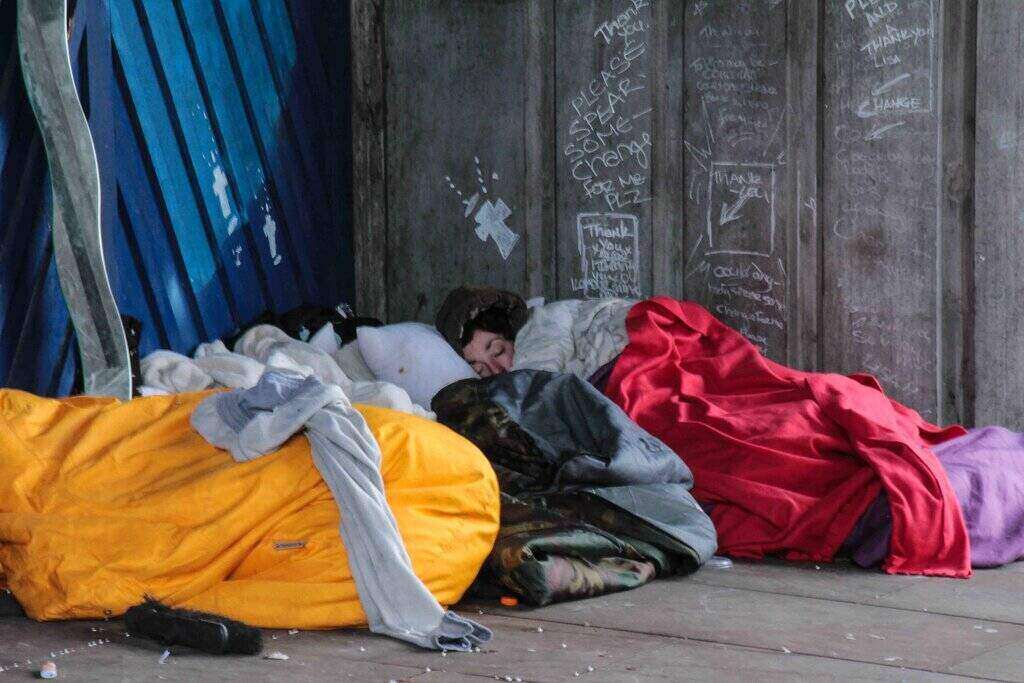
The city is in the process of moving individuals from temporary housing to shelters, and eventually to tents. Migrants frequently stay at Chicago’s O’Hare Airport for long durations before they are moved to police stations or can enter the few available shelters. In the upcoming weeks, Chicago plans to deploy winterized tents, taking a cue from New York’s initiatives.
Beatriz Ponce de Leon, Chicago’s Deputy Mayor for Immigrant, Migrant, and Refugee Rights, expressed that officials aim to transition to a unified shelter system and expand towards affordable housing. She stated that the objective is “to serve individuals whether they have been here for five days, five years, or their entire lives.” Homeless advocates acknowledge that merging the shelter systems will require time and coordination but believe it will be advantageous.
By Layla Ndiaye
Sources:
ABC 7– City Council defers vote on Mayor Brandon Johnson’s request for $70M for migrant care
Inset Image Courtesy of Osvaldo Gago– Creative Commons License
Featured Image Courtesy of Maureen Barlin– Creative Commons License




