
















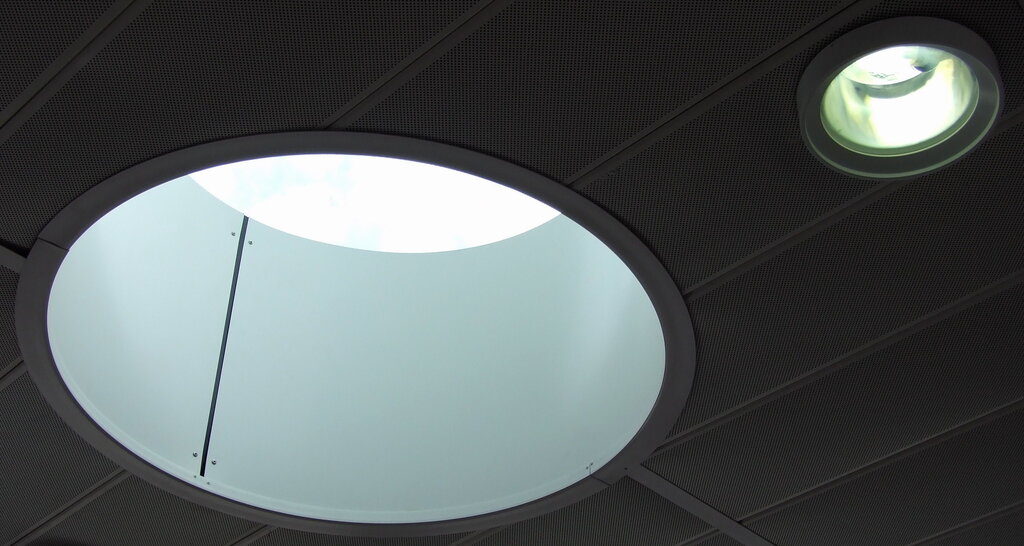
People tend to fall sick more frequently during the winter months. The lack of natural light is to blame for this, not the chilly weather. People need energy for a lot of the tasks they accomplish in their daily lives. Thus, artificial light is used in this situation. What distinguishes artificial light from natural light though?
How Can Natural Lighting Help Us? What Is It?
Natural light has a wide spectrum and is lively. When light is full spectrum, it signifies that every color in the rainbow is present. Dynamic refers to how the color temperature and light intensity vary through the day. The Earth’s atmosphere filters off much of the UV and infrared light that the sun generates, yet it still emits radiation across the whole wavelength range.
Not only does light impact our circadian cycle, but it also modifies our vitamin D. It is essential since it facilitates our body’s absorption of calcium from diet. Our ability to develop and maintain healthy bones depends on calcium. Furthermore, light prevents melatonin from being produced, which guarantees that we become sleepy as night falls. Conversely, cortisol increases our level of alertness and focus. When operating in an environment with little natural light, both chemicals are present in the body at the wrong moment.
How Does Artificial Light Affect Us? What Is It?
Any source of light that is not found naturally is considered artificial light. Not only do flash and strobe lights fall under that category of artificial light, but so do indoor and outdoor lighting fixtures. This is sometimes mistaken for “Ambient Light”, which might include artificial light sources. Artificial light that emit visible and infrared radiation at close range and without great intensity do not pose any health risks. It is believed that there are negligible short-term UV impacts from artificial lighting on healthy individuals. Overexposure to UV lights raises the risk of skin cancer and can result in short-term burns when prolonged.

Is Artificial Light Better Than Natural Lighting?
Because it is different from natural illumination, artificial lighting does have certain advantages. It is not constrained by the time of day like natural illumination is. Rather, it has aided in increasing both work and free time.
You can also modify it to your preference because it is customizable. The lighting in your room can be designed anyway you choose.
Additionally, you can change the light’s brightness, hue, and intensity to suit you tastes. When it comes to selecting a certain kind of lighting, such as tasks, ambient, or accent lighting, you have variety of alternatives at your disposal.
The Downside Of Un-natural Lighting
Despite the fact that fake light has many benefits, let’s examine some of it’s drawbacks. One significant disadvantage is that, in contrast to sunlight, which emits at all wavelengths including visible and non-visible ones, many artificial lights have a tendency to produce light at a narrower range of wavelengths.
Non-natural lighting reduced wavelengths range can have a number of effects. For example, it could have an effect on our general health by changing our sleep cycles since some light wavelengths can interfere with our circadian rhythm. Melatonin is a hormone that promotes sleep, and its production can be suppressed before bed time by exposure to blue light from electronics or intense artificial lighting.
Insomnia and other sleep problems may result from the disruption of our sleep-wake cycles. The possible harm artificial lighting may bring to our mental health is another drawback. Dark lighting can exacerbate emotions of melancholy or lethargic feelings, however natural lighting has been linked to elevated mood and decreased depressive symptoms. Because of our innate connection to the natural world, humans may experience negative psychological impacts when exposed to artificial light for prolonged periods of time.
By: Jalynn Harmon
Sources:
NPR.ORG-‘Like moths to a flame’? Here’s what’s going on with insects and porch lights
TEKLED-What is Artificial Lighting?
ANY-LAMP.COM-Natural Light vs Artificial Light
1stsourcelighting.com-The Pros and Cons of Artificial Lighting: Understanding the Advantages and Disadvantages
Featured Image Courtesy of Timothy Allen’s Flickr Page – Creative Commons License
Inset Image Courtesy of Ashok Boghani’s Flickr Page – Creative Commons License




