















Recent weeks have seen an increase in test positivity rates and emergency room visits nationwide, raising concerns about a potential summer surge as the virus continues to evolve and spread.
LB.1 closely trails the dominant KP.3 and KP.2, according to the latest data from the U.S. Centers for Disease Control and Prevention (CDC).
As of July 6, KP.3 accounts for approximately 37% of cases in the U.S., followed by KP.2 at about 24%, with LB.1 driving 15% of cases.
Since late May, the share of cases attributed to LB.1 has doubled based on CDC data. Some experts suggest that this newly mutated variant could potentially surpass the FLiRT variants in the weeks ahead.
What information do we have regarding the new variants FLiRT and LB.1?
FLiRT consists of variants including, KP.2, JN.1.7, and others starting with KP or JN. These variants are derived from the JN.1 variant, which was predominant in infections in the U.S. from late 2023 to early 2024.
Its symptoms mirror those seen in earlier variants, featuring fever, cough, fatigue, and digestive problems, alongside an increased transmission rate. There is particular concern about its capability to evade immunity conferred by vaccines and prior infections.
The LB.1 variant, a mutation within the FLiRT cluster, accounted for 17.5% of Covid-19 cases in the US at the start of this summer. Both FLiRT and LB.1 demonstrate high transmissibility.
Initial research data from the Infectious Diseases Society of America indicates that the most prevalent FLiRT variants are mutations capable of infecting vaccinated individuals. These variants spread more readily than JN.1, with LB.1 showing potential for even greater infectivity and transmissibility compared to earlier strains.
Symptoms of The New Covid Variant LB.1
Experts emphasize that LB.1 does not appear to cause any distinct or new symptoms, nor is there any indication that it leads to more severe disease. The symptoms associated with LB.1 closely resemble those caused by the FLiRT variants, which include:
- Nausea or vomiting
- Headache
- Sore throat
- Fatigue
- Diarrhea
- Muscle aches
- New loss of sense of smell or taste
- Cough
- Fever or chills
- Runny nose
- Congestion
2024 Covid Guidelines

COVID-19 guidelines for 2024 stress the importance of testing if you experience symptoms or have had exposure, according to experts. Testing is crucial for personal protection and preventing virus transmission.
According to Camins, PCR and antigen tests are effective in detecting the LB.1 variant and other new strains. When using antigen tests, it’s essential to follow FDA recommendations to avoid false negative results.
The CDC advises individuals who test positive to stay at home while they are ill and to avoid contact with others. Previously, the CDC recommended isolating for at least five days after testing positive. However, as of March 2024, the guidelines have been updated: individuals can resume normal activities once they have been fever-free without medication and their symptoms have been improving for at least 24 hours.
Ways To Prevent LB.1
The most effective way to reduce your risk of contracting LB.1 remains consistent with longstanding advice, though the specific actions to take depend on your personal risk tolerance, according to Dr. Adalja who is an expert in infectious diseases and a senior scholar affiliated with the Johns Hopkins Center for Health Security. “High-risk individuals should keep up to date with vaccinations and the extremely high-risk immunocompromised individuals should discuss the monoclonal antibody Pemgarda with their physician,” he advises.
If you fall into a high-risk category for illness, such as being pregnant, older in age , immunocompromised, or having specific underlying health issues, it’s advisable to wear a mask in busy indoor environments, such as when visiting the grocery store. In addition to this you should also steer clear of indoor places like restaurants where wearing a mask isn’t possible until we’ve moved past the peak of this wave.
The summer wave is expected to continue until the end of the season. Following that, a new COVID-19 vaccine specifically designed to target variants like LB.1 should become available shortly after.
Additional Ways To Prevent Contracting The New Covid Variant LB.1
With COVID-19 cases continuing to increase this summer, it’s advisable to take extra precautions to safeguard yourself and others. The Centers for Disease Control and Prevention (CDC) suggests that individuals:
- Maintain social distancing measures
- Enhance ventilation
- Follow good hand hygiene practices
- Use face masks in crowded indoor environments
- Cover sneeze and coughs
- Maintain current COVID-19 vaccination status.
Written by Jaliyah Triplett
Sources:
Indiana Express: Explained: New Covid-19 variants FLiRT and LB.1, driving surge in US, UK by Anagha Jayakumar
Prevention: What You Need to Know About LB.1, the New COVID Variant by Korin Miller
Today: New LB.1 COVID variant is spreading in the US. These are its most common symptoms by Caroline Kee
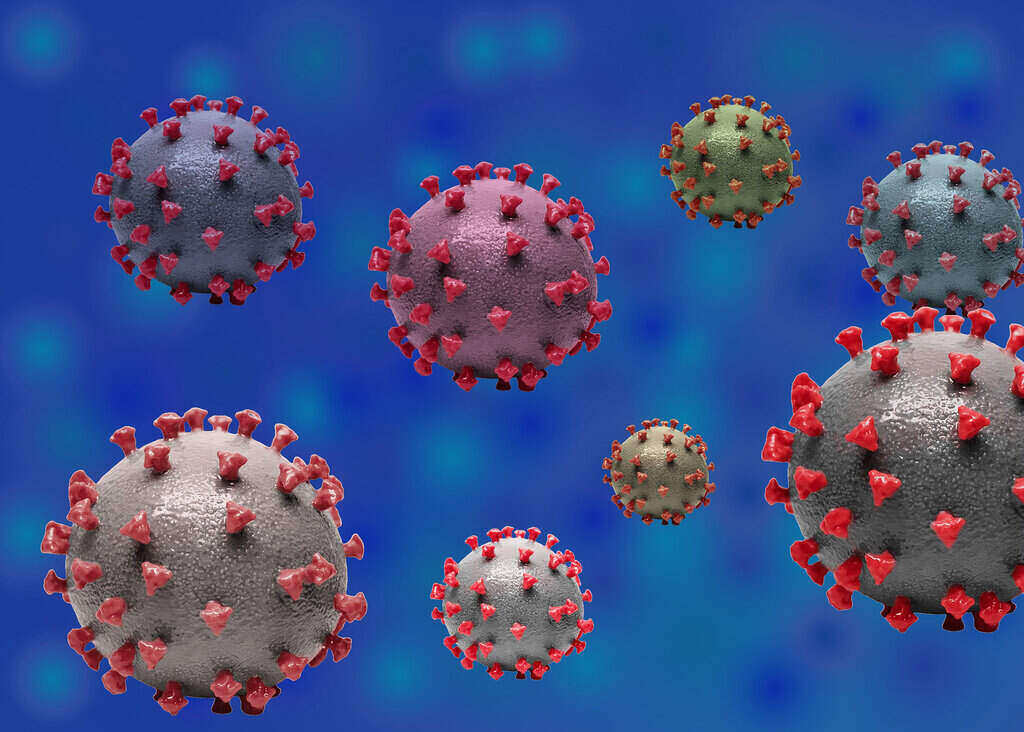
Featured Image Courtesy of NIAID’s Flickr Page – Creative Commons License
Inset Image Courtesy of Joshua Deeney’s Flickr Page – Creative Commons License




