















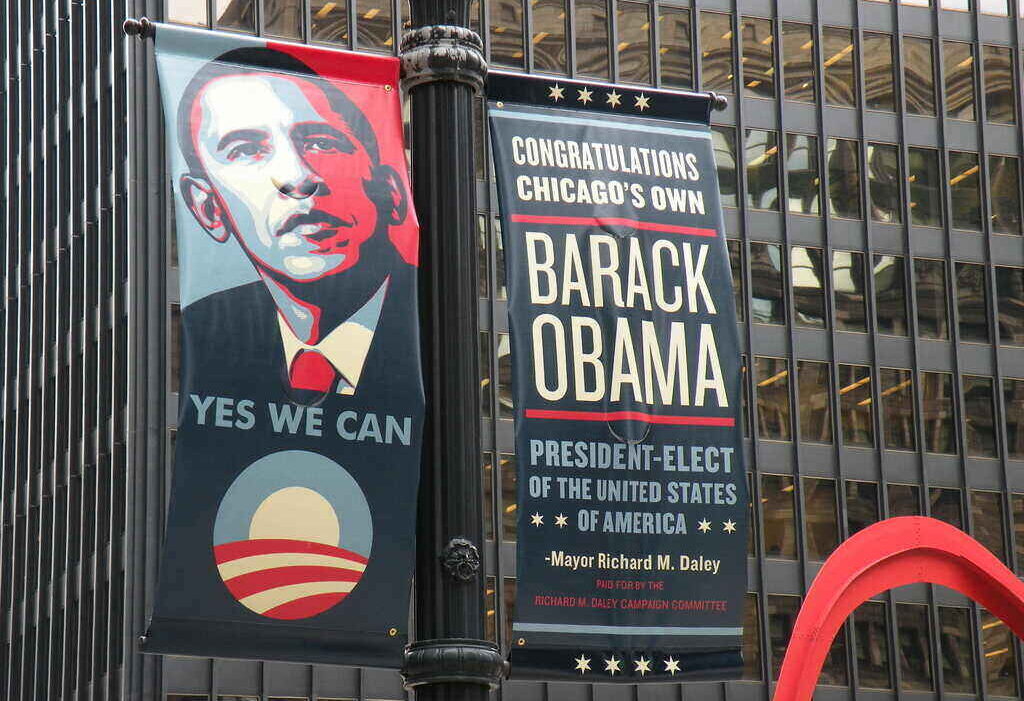
In 2021, construction work began at the highly anticipated Obama Presidential Center in Jackson Park. The OPC will include a library, museum, and public park and will be built on 19.3 acres of land near the University of Chicago and Chicago’s South Shore neighborhood. Planners expect the project to cost a total of $500 million and have scheduled it to open by 2025.
The library will house Obama’s presidential papers and other historical materials. The museum will tell the story of Obama’s life and presidency. Finally, the public park will be a place for people to relax, play, and learn.
The center expects to create 3,000 jobs during construction and 2,500 permanent jobs once it is open. The OPC will attract millions of visitors each year, who will spend money on hotels, restaurants, and other businesses in Chicago.
The OPC is meant to serve both as a practical means to bring jobs and tourist dollars to Chicago’s South Side. But also as an inspirational symbol for the people of Chicago. Especially to the Black residents who call the South Side home, and see both Barack and Michelle Obama as products of their community.
The following statement made this point on the Obama Center website:
It will be a place to reflect and grow, connect and create; to tap into your own sense of purpose and discover the change you want to make in the world. It will be a place to honor history while inspiring young people to write chapters of their own. And it will do all that while creating jobs, driving economic opportunity, and unlocking the potential that has always existed on the South Side.
So… What’s the Problem?

The OPC has been met with some opposition from residents of the South Side. Community members have expressed concerns about the cost of the center, the impact it will have on traffic and parking, and the fact that it is being built on land that is currently used by a public park.
But above all else, is the threat of rising property values in Jackson Park and the South Shore. These will likely lead to displacement of residents and gentrification of the surrounding area.
“We’ve got such a long way to go in terms of economic development before you’re even going to start seeing the prospect of significant gentrification,” Barack Obama said in 2018 regarding the OPC. “Malia’s kids might have to worry about that. Right now, what we’ve got to worry about is you have broken curbs, and trash and boarded-up buildings, and that’s really what we need to work on.”
However, recent data shows that corporate investors have been heavily targeting the neighborhoods that surround the center. They bought up roughly a third of all homes for sale in Jackson Park in just the third quarter of last year, according to national real estate brokerage Redfin.
Investors Inviting Themselves In
Dixon Romeo, executive director of the South Shore community advocacy group Not Me We, says that residents, “should be concerned about firms that don’t live in this community buying up homes.”
“It’s very simple, the goal of every firm is to make profit, right? In terms of housing that means raising the rent, imposing unnecessary fees and effectively displacing people,” warns Romeo.
One 73-year-old resident who spoke to South Side Weekly says she’s received calls almost every day from people across the nation who want to buy her South Shore condo. Linda Jennings has been living in the South Shore since the 1950s, residing at her condominium for almost two decades.
“All of that and more is why I am not interested in selling the property—this is home,” said Jennings. “The impact of the Obama Presidential Center has been on the minds of every homeowner I know and what that is going to mean for our taxes.”
“I would like the city to give us some sort of community binding agreement that can help stabilize this neighborhood and allow us to stay,” said Jennings.
South Siders Seek Solutions
In the Feb. 28 elections earlier this year, 5th Ward voters overwhelmingly supported a non-binding community benefits agreement ordinance. The ordinance would prevent the displacement of longtime residents through affordable housing measures, such as debt forgiveness for house and condo owners and new affordable housing on city-owned vacant lots.
There are a number of other things that the city could do to combat gentrification caused by the OPC. These include:
- Increasing the supply of affordable housing in the area.
- Protecting rent control laws.
- Providing financial assistance to help people afford to stay in their homes.
- Investing in community development programs.
The Obama Foundation and the City of Chicago have committed to working together to ensure that the OPC does not displace longtime residents. But residents can see that today’s market in the surrounding area is already heating up, years before the center will be completed.
Leaders and organizers from the city and the Obama Foundation will need to do more to assure residents that they will not be priced out of their homes and neighborhoods by the OPC in the coming years.
Written by Seth Herlinger
Sources:
Block Club Chicago: As Investors Buy More Homes Around The Obama Presidential Center, Gentrification Worries Soar
Block Club Chicago: As Obama Center Built, 5th Ward Voters Overwhelmingly Back Affordable Housing Measures
The Guardian: Chicago’s south side residents fear Obama Center will displace them
Obama.Org: THE OBAMA PRESIDENTIAL CENTER
South Side Weekly: As Investors Buy More Homes Around the Obama Presidential Center Gentrification Worries Soar
Top and featured image courtesy of John W. Iwanski‘s Flickr page – Creative Commons License
First inset image by TonyTheTiger, courtesy of Wikimedia – Creative Commons License





