
















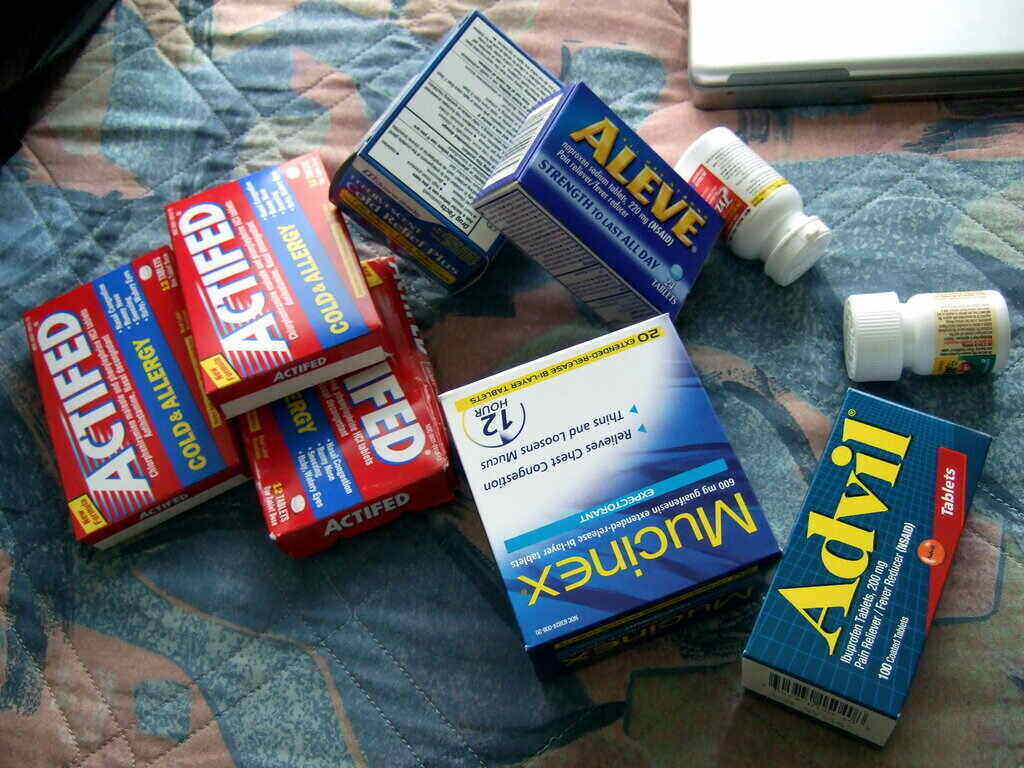
The number of drug overdose fatalities in the United States continues to rise month after month. However, the rate appears to be slowing, according to recent data.
OD Rates Throughout the Years
In an annual report released earlier this year, there were 112,024 overdose (OD) fatalities, compared to 109,261 in the 12-month period ending in May 2022, a 2.5% growth.
According to new figures from the Centers for Disease Control and Prevention’s National Center for Health Statistics, more than 112,000 people died from a drug overdose in the 12-month period ending in May, a 2,700 rise from the previous year.
In relation to the CDC, fatal drug overdoses increased by 30% in 2019. Also, an additional 15% was added between 2020 and 2021.
A Word from A Specialist
Dr. Katherine Keyes, an epidemiology professor at Columbia University’s Mailman School of Public Health, observed that the rise is leveling down. “We still have an extraordinary number of OD deaths that are orders of magnitude higher than we’ve seen in previous years,” she said. However, “the increase that we saw in 2021 has slowed down.”
These monthly increments are gradual and Keyes also points out that the most recent boost in mortality is still lower than the spikes in drug overdose deaths witnessed in the early years of the COVID-19 epidemic.

On The Edge Of U.S. Crisis
There were a number of tremendous rises in 2020 and 2021, which began to level out in 2022. They are not yet decreasing, according to Keyes However, the rate of increase is rising each year.
Keyes emphasizes that despite a low rate of OD deaths, 2023 is on edge to be another catastrophic year in the midst of the drug pandemic. “It’s still somewhat higher than it was during the previous 12-month period. So it still implies a detrimental impact on public health,” she explained.
Certain states, specifically in the western United States, have witnessed major rises in tragic deaths as compared to national totals. Based on initial reports, the great majority of overdose deaths were caused by synthetic opioids, followed by psychostimulants like methamphetamine.
“Fentanyl is an unexpected product, so those who consume too much can rapidly have an OD” Keyes stated, pointing out that the medication may be particularly harmful for people who are unaware that they’re ingesting it.
Many people who abuse drugs are less sensitive to fentanyl and enjoy it. Meanwhile, other people consume it without knowing it, which is extremely hazardous. Those who fail to develop a tolerance to opioids and have been exposed to fentanyl only require just a tiny amount of drug exposure to quickly trigger an OD.
Semi-Solution
The FDA has authorized the first free of charge version of naloxone, or Narcan, which is a medicine used for treating an opioid overdose.
The nasal spray is currently on the market, both in shops and online. However, Keyes believes that with only providing naloxone is insufficient to combat the opioid crisis. Furthermore, she compared it to somebody coming to the hospital with a broken leg.
“If somebody breaks their leg, we want them to be capable to go to the hospital and get examined, but we also want to make sure that people avoid injuring their legs,” she said. “Naloxone is an essential device for reversing an overdose, and its increased availability is a critical component of an overdose prevention effort.”

Awareness Is Key
Many advocates, organizations, and leaders have teamed up to spread awareness of addiction, depression, and suicidal issues. In fact, there are many here in Chicago. For example, newly appointed Senator Lakesia Collins.
Lakesia Collins is an American union organizer and politician, who serves the 5th district in the Illinois Senate. She supports legislation providing youth with mental health services. As a State Representative, Collins emphasized a bill she backed that obliges educational institutions to include suicide prevention sources on student ID cards.
Collins believed that the law guarantees students receive the facilities needed to take control of their mental health and call out for help. Many people who struggle with addiction are considered to develop a negative mental health throughout time and this would be a good help for those in need for help.
Additional Leadership Advocates
This is something many other leaders in Chicago believe in. Like, La Shawn Ford who in 2020 announced the formation of the West Side Behavioral Health Task Force. Earlier this year, Congressman Danny Davis announced 25 community projects as part of the U.S. House of Representatives initiative. These projects include mental health services, substance use treatment, and healthcare.
Tara Stamps, 1st District Cook County Commissioner, who has been a constant advocate for youth. Whether it has been through her teaching, advocating for better education and mentoring, or more resources, Stamp’s has always fought for the betterment of youth.
Alderwoman for the 12th Ward, Julia Ramirez, has had years of advocacy practice. In addition, to fighting for equality for everyone, she is a firm believe there needs to be more resources for youth. She believes the city should “provide more resources for young people, like community programs, after-school activities, job training in good-paying unions, and mental health services.”
Mental health and substance abuse often go hand and hand. Having a support system and resources needed is important.
Sources:
CNN News: US overdose deaths continue their rise, data shows, with ‘devastating impact’ on population
NBC News: Fentanyl plus stimulants drives ‘fourth wave’ of overdose epidemic in the U.S.
MPR News: A life not fully lived: Federal bill aims to prevent more opioid overdose deaths
Illinois House Dems: Collins-Backed Law Highlights Student Support During Suicide Prevention Month
Top and Featured Image Courtesy of Rudynorff Flickr Page – Creative Commons License
First Inset Image Courtesy of Nicole Removski Flickr Page – Creative Commons License
Second Inset Image Courtesy of Stock Catalog Flickr Page – Creative Commons License




