















Culture and Society
Gaza boasts a rich cultural past and a varied population of Palestinians from origins and beliefs. Gaza is famous for its traditional music, cooking, and crafts. They thrive for cultural scene and literary heritage.
Humanitarian Situation
The Gaza Strip has experienced multiple humanitarian crises, including a lack of vital products and services, poor infrastructure, and recurrent outbreaks of violence. Furthermore, access to healthcare, education, and clean water is scarce, and many inhabitants’ living conditions are insecure in this area.
Economy
Gaza’s economy confronts tremendous obstacles, including high unemployment, poverty, and has reliance on international handouts. Israel and Egypt’s restrictions on the movement of Palestinians and products, along with frequent battles and blockades, have hampered economic progress and led to humanitarian disasters.
Political Status
For decades, the Gaza Strip has been at the center of the Israeli-Palestinian conflict. Gaza was administered by Egypt by 1967 after the 1948 Arab-Israeli War. Israel removed it’s colonies and military presence from Gaza in 2005, it still controls its borders, airspace, and territorial seas. When control was gained of the area during a struggle with the Palestinian Authority Gaza got administrated by the Islamist party Hamas .
Location
Gaza Strip is located in the Eastern Mediterranean, bordering Israel to the east and north and Egypt to the south-west. It is located on the coastline, with the Mediterranean Sea to the west. Gaza metropolis, the Gaza Strip’s main metropolis and administrative hub, with geographic coordinates of around 31.5 degrees north latitude and 34.5 degrees. The Gaza Strip a thin strip of land that is roughly 41 kilometers long and 6 to 12 kilometers wide, covering an area of about 365 square kilometers. It is one of the world’s most densely inhabit territories, covered by more than 800,000 Palestinians living within its borders.
How people near The Gaza Strip feel
Palestinians views and opinions about the Gaza Strip can vary greatly based on their personal experiences, viewpoints, and situations. Here are some frequent thoughts that residents near the Gaza Strip may convey:
Security Concerns: The continuous war and frequent violence between Israel and Palestinian factions in Gaza are putting citizens in danger. Many citizens in the surrounding communities are concerned about their security. Rockets fired from Gaza into southern Israel, like the Israeli military activities in Gaza, can cause anxiety and uneasiness among locals.
Humanitarian Concerns: Palestinians who live near the Gaza Strip may feel empathy and worry for the humanitarian situation. Particularly the effects of conflict-related violence, economic hardship, and limitations on the movement of goods and people. They may help to alleviate suffering while also promoting regional peace and stability.
Resilience and Community Spirit: Despite the difficulties of living near a combat zone. Many residents of Gaza Strip’s villages, display resilience, solidarity, and a strong sense of belonging. They may band together to help one other during times of distress, advocate for their needs, and fight to create a better future for Palestinians.
Desire for Peace: Residents near the Gaza Strip may share a desire for peace, stability, and an end to the Israeli-Palestinian conflict. Palestinians may expect for diplomatic initiatives, discussion, and talks to bring about a long-term truce and address the root causes of the war.
War by Gaza
Over the years, the Gaza Strip has seen a number of disputes and military engagements, the most of which have involved Palestinian terrorist organizations headquartered in Gaza and the Israeli military. These conflicts have killed many people, destroyed infrastructure, and caused humanitarian catastrophes. Here are some major aspects of conflicts and military assaults in the Gaza Strip:
Israeli-Palestinian Conflict: The Gaza Strip is key to the decades-long Israeli-Palestinian conflict. The dispute arises from Israeli and Palestinian opposing national and territorial claims. That resulted in cycles of bloodshed, negotiations, and sporadic peace talks.
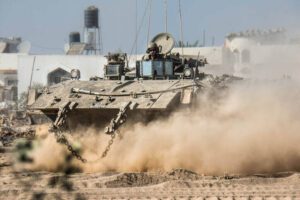
Israeli Military Operations: Israel has undertaken a number of military operations in response to rocket assaults, border skirmishes, and other security concerns from Gaza. These operations frequently include airstrikes, artillery bombardment, and ground incursions to target insurgent infrastructure, weapons stores, and military personnel.
Palestinian Militant Groups: Thousands of rockets and mortars have been fired from Gaza into southern Israel, hitting residential areas and causing fatalities and damage. These attacks frequently result in Israeli military reprisals, escalating regional tensions.
By: Thamara Dunlap
Sources:
The World FactBook– The Gaza Strip
Library of Congress – The Gaza Strip history
NPR – Why is the Gaza strip important
Inset Image Courtesy of Quinn Israel Defense Forces‘s Flickr Page – Creative Commons License
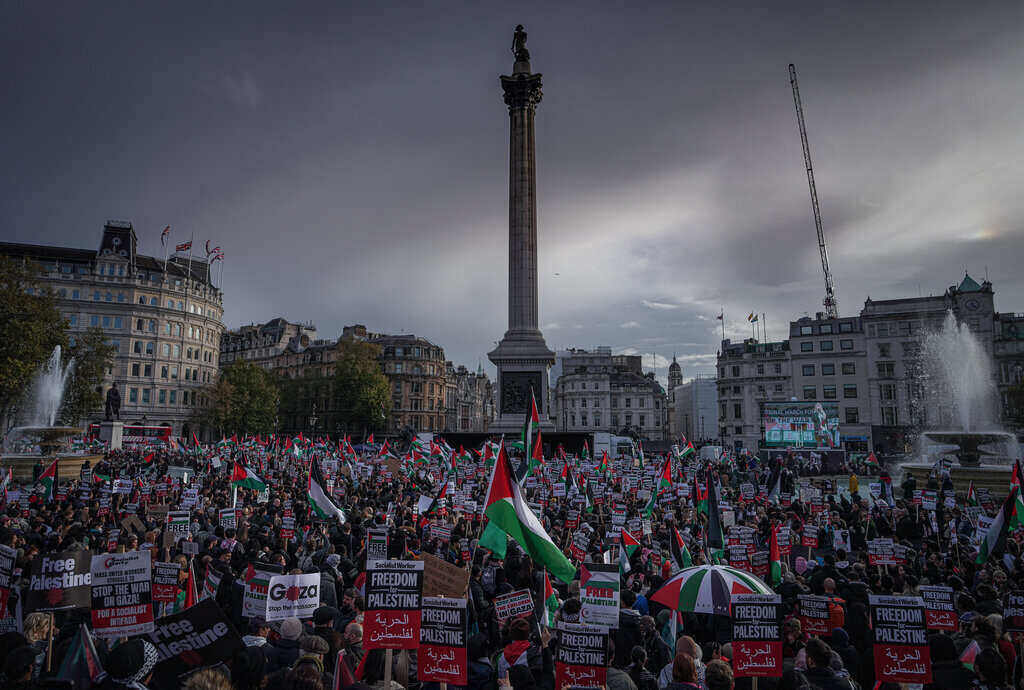
Featured Image Courtesy of Alisdare Hickson‘s Flickr Page – Creative Commons License




