















Pollution is a global issue that continues to pose a significant threat to our planet and its inhabitants. It is the presence or introduction of harmful substances or contaminants into the environment, causing adverse effects on the natural balance and well-being of living organisms. Contamination from air, water, soil, and noise pollution extends to every aspect of our lives. The effects of air contamination has raised global health concerns. Air pollution, the leading environmental killer, kills more than 17 billion people yearly. While calculating, that equates to up to 2.2 years lost on average.
Primary Cause
One of the primary causes of pollution is human activities. Rapid industrialization, urbanization, and the burning of fossil fuels have contributed to the release of harmful pollutants into the atmosphere. The emission of greenhouse gases, such as carbon dioxide and methane, has led to global warming and climate change. Climate change is causing not only more wildfires, but also higher levels of air pollution. Burning stubble and farm debris also contributes significantly to wildfires, which further poses a threat to the community
It increases PM2.5 levels in the air, which combine with other dangerous chemicals such as chemical gas and pollen to form smog. Smog hazes the air, making breathing harder. Smog reduces visibility. Inhaling smog can cause difficulty breathing, irritation of the eyes, nose, and throat, itchiness of the respiratory system, and other symptoms. , the discharge of toxic chemicals and pollutants into water bodies has disrupted aquatic ecosystems and endangered marine life.
Air Contamination
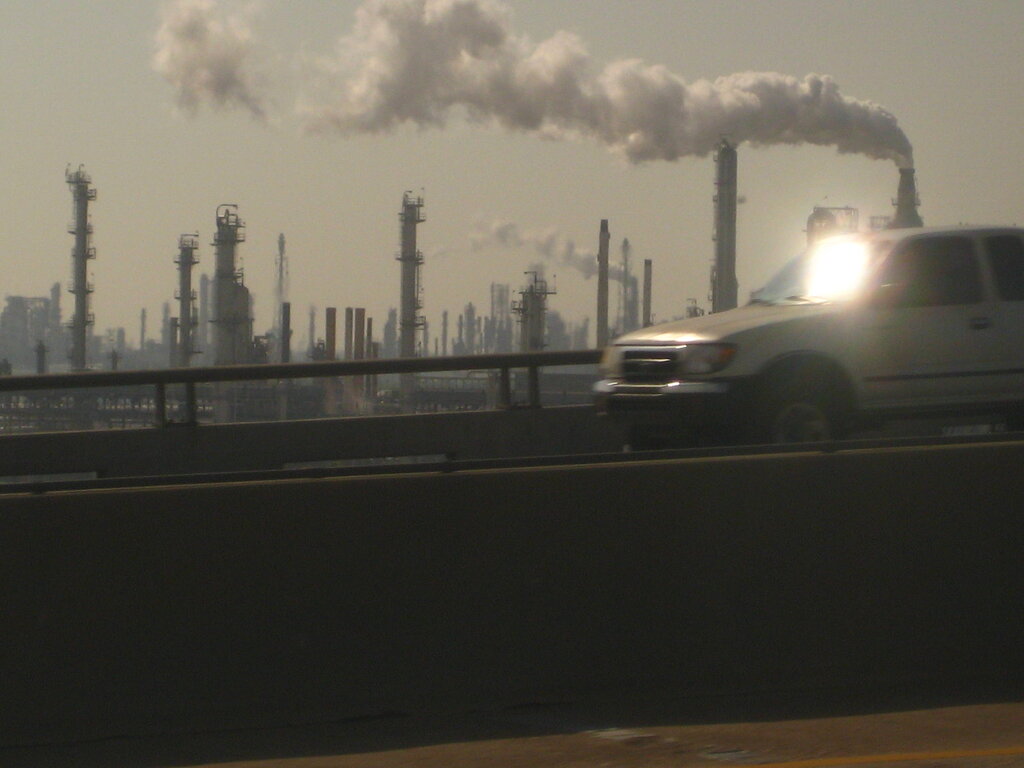
Air adulteration in the form of smog and particle matter is a serious hazard to human health. It can cause respiratory issues, cardiovascular disorders, and possibly early death. The combustion of fossil fuels in automobiles and power plants, as well as the usage of hazardous chemicals in industry, are key contributors to this problem, and pose significant threats to the community.
Governments and organizations around the world have taken steps to mitigate air contamination, such as supporting sustainable energy sources and increasing the use of public transportation. Air adulteration can aggravate asthma symptoms and precipitate attacks. Air pollution exposure during pregnancy and youth may raise a person’s risk of acquiring asthma. Monitoring air contamination levels can assist asthmatics in avoiding health complications.
People with asthma have airways that are susceptible to a variety of airborne chemicals, called triggers. Air pollution and other airborne irritants are some of the most prevalent asthma triggers.
Air pollution is the presence of contaminants in the atmosphere that are threats to the community and to humans and other living things.
Water & Soil Pollution

Arlington Department of Environmental Services (Flickr CC0)
Water contamination is another serious problem that affects both humans and wildlife. Industrial adulteration, agricultural runoff, and inappropriate disposal of chemicals and waste products damage water sources, rendering them unfit for consumption. This not only jeopardizes the availability of safe drinking water, but also alters ecosystems and endangers aquatic life.
Water contamination prevention measures include wastewater treatment, stronger industrial waste disposal rules, and the promotion of sustainable farming methods.
Pesticides, chemical fertilizers, and inappropriate waste disposal all contribute to soil adulteration, which has a negative impact on agricultural production and food security. Contaminated soils can cause toxins to accumulate in crops, endangering human and animal health. Sustainable farming practices, such as organic farming and proper waste management, are critical for decreasing soil contamination and promoting environmental balance.
Noise Adulteration
Noise contamination while often underestimated, has a negative impact on human health and well-being. Excessive noise levels can cause stress, sleep difficulties, and decreased cognitive performance. Urban areas with large population concentrations and transportation infrastructure are especially vulnerable to noise adulteration. Noise reduction methods, such as sound barriers and controls on noise-emitting activities, can help to alleviate this issue.
Consequences Of Contamination
Pollution’s repercussions are extensive and interwoven. Long-term repercussions that can have disastrous consequences for our world include ecological degradation, biodiversity loss, and climate change. Individuals, communities, and governments must collaborate to develop long-term adulteration reduction solutions.
Air contamination raises the risk of respiratory infections, heart problems, and lung cancer. Short and long-term exposure to air pollution has been linked to health effects. People who are already unwell suffer the most serious consequences. Children, older people, and the underprivileged are more vulnerable.
Written by Chiquita Street
Sources :
AQI – Here are the 10 Main Causes of Air Pollution
Brighten Report – What to know about asthma and air pollution
Earth.org – Pollution
World Health Organization – Health consequences of air pollution on populations
Top & Featured Image Courtesy Of Michelle Rivera‘s Flickr Page – Creative Commons License
Inset Image Courtesy Of Arlington Department of Environmental Services‘s Flickr Page – Creative Commons License




