















A Sustainable Choice
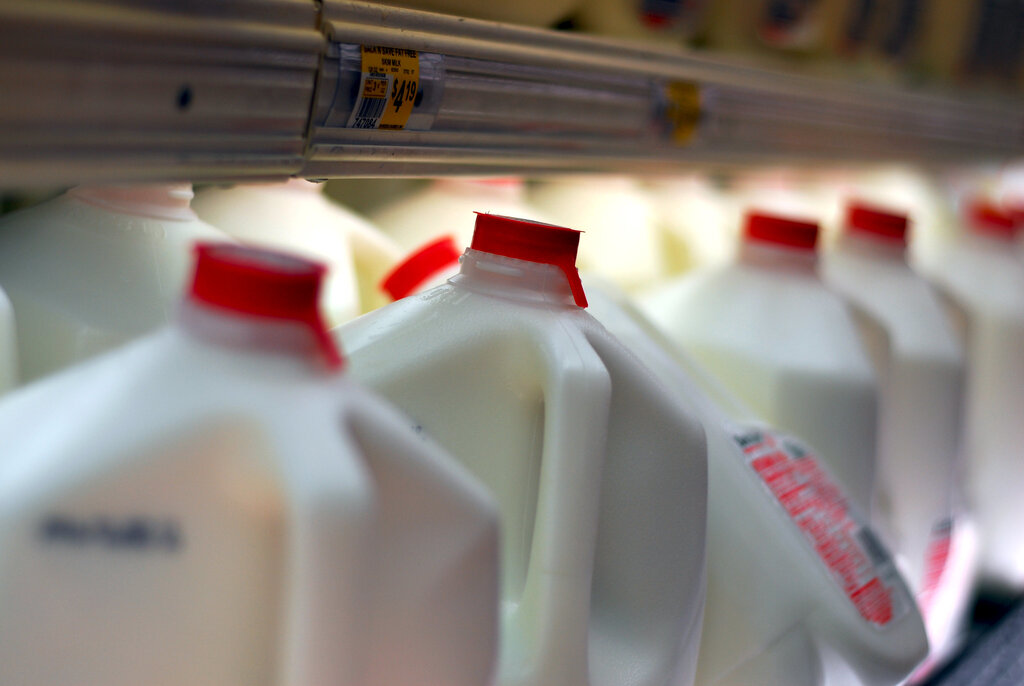
On July 1, Iowa joined more than twenty states in authorizing the sale of chemical-free milk, which refers to milk that has not undergone pasteurization. Fresh milk and milk products are among the unprocessed, natural food commodities that are becoming more and more popular around the world. Aside from health concerns, consumers are actively searching out raw milk for its flavor, freshness, proximity to the source, and ability to support regional agriculture.
As an associate professor of animal science at the University of Connecticut, Dennis D’Amico noted that more states have legalized unprocessed milk throughout the last ten years. While some states, such as Iowa, allow fresh milk farmers to sell their goods directly to consumers, others only permit the marketing of raw milk as pet food in grocery stores.
Advocates of fresh milk also stress the product’s contribution to sustainable farming methods and regional agriculture. Customers can support the survival of family-owned dairy farms and the preservation of traditional agricultural practices by directly purchasing raw milk from small-scale farms. People are better equipped to make educated decisions about the food they eat because of the direct relationship that exists between farmers and consumers, which promotes transparency and trust.
The Evolution of Raw Milk Regulation
Federal and industry-initiated methods for safe unprocessed milk production are the result of long-standing recognition of the need for high standards of sanitation and safety in farms producing untreated milk for direct consumption. Founded in California, the non-profit organization known as The Raw Milk Institute is responsible for creating North America’s voluntary safe raw milk program. To help farmers create custom solutions for different production systems, RAWMI has created a risk analysis and management system for fresh milk dairy farmers.
However, government health experts have connected the new rules to an increase in outbreaks of foodborne illnesses connected to raw milk. For example, the Centers for Disease Control and Prevention stated that the average number of outbreaks linked to raw milk increased in the United States between 1998 and 2018. During those years, outbreaks left 2,645 individuals ill, 228 hospitalized, and three dead.
Initiated by the raw milk business, the Raw Milk Institute is a non-profit organization that was established in California in 2011. The constant reports of zoonotic disease outbreaks linked to fresh milk created the need for an organization to train farmers on safe production practices.
Balancing Tradition with Health Risks
Due to an agency assessment from 2013, states that allowed the selling of unprocessed milk in retail establishments saw three times as many outbreaks as those that forbade the practice. Because raw milk may include pathogens, the Food and Drug Administration considers it to be more dangerous than pasteurized milk. This milk can come from cows, sheep, or goats. According to the government, persons who are pregnant, older people, have weakened immune systems, and children are most susceptible to serious infection.
The institution placed a strong focus on the need for sanitary milking equipment, and farms have created standard operating procedures for milking, chilling, and bottling in order to lower the chance of fecal contamination during the process. They have also lowered the growth of bacteria in the milk by rapidly cooling it. Well-maintained animals and meticulous cleanliness closely associate high-quality, safe, pesticide-free milk. Quality farmer education and support programs are crucial in helping dairy farmers comprehend the numerous hazards linked with milk production and the necessary steps to mitigate those risks.
Concerns regarding the health of humans and animals used in production are common among consumers. Along with nutrition, kids are also concerned about the risks connected to the foods they choose. Customers must rely on the food safety protocols of the farmer and any additional processors or retailers involved, as they are unable to assess the safety of unprocessed milk based on its taste, appearance, or smell.
Conclusion
By: Kamille Collins
Sources:
ncbi : Raw milk producers with high levels of hygiene and safety
foodsafetynews : Raw milk still isn’t safe, no matter how many legislatures debate its alleged benefits
the new york times : Raw Milk Is Being Legalized in More States. Is It Safe?
Featured Image Courtesy of Guy Montag Flickr Page-Creative Commons License
Inset Image Courtesy of cinefil_ Flickr Page-Creative Commons License




