

















Recovery/Harm Reduction Centers in Schools
Implementing recovery/harm reduction centers in schools to assist children struggling with substance abuse or mental health for a better environment. Might be a proactive method to tackling these issues. Here’s an outline of critical components for such centers.
Requirements examination: Conduct a thorough examination to identify students’ individual requirements and struggles with substance use and mental health issues. This may include surveys, interviews, and consultation with mental health practitioners.
Design and Location: Determine an appropriate location inside the school grounds for the recovery/harm reduction facility. It should be freely available, confidential, and welcoming to students seeking assistance.
Staffing: Trained experts counselors, psychologists, social workers, and substance addiction specialists to assist and guide pupils to the right direction. Consider peer support programs, which allow trained students to help and understand their peers.
Looking for help in school
Addressing the needs of students who arrive at school depressed and seeking assistance o vent to someone. Necessitates a comprehensive approach that prioritizes mental health care and intervention for the child.
Below are some ideas for supporting recovery in sad adolescents in the school setting.
Dedicated Safe Spaces: Create a dedicate safe space in the school for children to go when they are feeling overwhelm or despondent. These places should be quiet, pleasant, and well-stocked with things to release stress. Resources like calming activities, mindfulness tools, and mental health support recovery materials .
Counseling Services: Provide on-site counseling services conducted by qualified mental health experts. Students should have access to discreet one-on-one recovery sessions where they can express their emotions, learn coping methods, and receive tailored assistance.
Regular Check-ins and Follow-ups: Create a strategy for checking in and following up with kids who have sought help for depression. Make sure that students feel encouraged and that their development is tracked over time. Follow-up meetings can offer opportunity for recovery support, treatment plan modifications, and reinforcement of coping mechanisms.
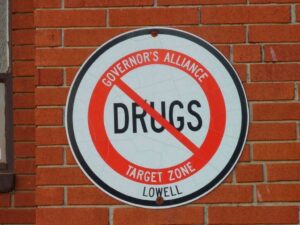
Implement peer support programs in which trained student mentors or peer counselors provide assistance and direction to their peers who are depressed. Peer support can help lessen feelings of isolation and stigma. Provide a sense of empathy and connection of levels that outsiders will struggle to get.
By employing these techniques, schools can foster a supportive and loving atmosphere in which children feel empowered to seek depression treatment and receive the support they require to prosper academically, socially, and emotionally.
How to help kids who come to school high
Addressing the needs of kids who arrive at school under the influence of drugs or alcohol necessitates a cautious and sympathetic approach. That prioritizes their safety and well-being while also maintaining a conducive learning environment for all students. Below is an of a strategy to assisting kids who come to school high.
Immediate response:
- Ensure the safety of the student and others in the area by calling parens, conferences, and immediate help. If the pupil appears to be in distress, get medical attention right once.
- Approach the student quietly and without hostility. Avoid escalating the problem or taking harsh action talk calmly so it won’t turn into a bad action.
- If required, transport the student from the classroom or public area to a secluded and secure location to assess their condition and provide assistance.
Assessment and support:
- Conduct a brief examination of the student’s condition to identify the degree of drunkenness and associated dangers. The nurse will have to come in to do tests.
- Provide nonjudgmental support and reassurance. Let the student know that you are available to assist and support them.
- Provide the learner with access to water and a comfortable area in which to relax if necessary.
Contact parents or guardians:
- Contact the student’s parents or guardians to alert them of the issue and discuss the next steps. Maintain confidentiality while being open about the student’s condition.
By taking these steps, schools may successfully respond to children who arrive at school high, providing them with the assistance and resources they require to address underlying issues and make positive changes in their life.
My personal opinion
I think kids who come to school high do it for fun. Kids who looks depressed needs help so they tend to stay quiet or can’t maintain focus because of their over thinking. Either way they need help because their doing what their doing for attention.
I believe they don’t get noticed enough by the people they want to notice them. Focus on your kids. I use to be the same way but, had to do better for myself I didn’t get the right attention. If you are a parent or teen and need help with this topic call 1-800-662-4357
By: Thamara Dunlap
Sources:
Kids Health: Kids coming to school depressed looking for help
SAMHSA: How to help kids who come to school under the influence?
Justia: Why does kids come to school under the influence?
Top image and Featured image Courtesy Mike Cohen of Flickr Page – Creative Commons License
Inset Image Courtesy of verifex Flickr Page – Creative Commons License




