














Rental Cost Decline
Renters around Chicago are getting a bit of relief with rental prices. From August to September the month-over-month rent cost around Chicago has dipped by 1%. According to a report from Rent, the year-over-year cost has fallen about 2%.
“Rent” is a Red-fin company that provides marketing services in the real estate industry. Rental costs in Chicago are usually on a rising trend. Yet, during the beginning of the pandemic, rental prices fell then increased towards the end. As well as last Summer rent in Chicago increased by 17%.
Though it’s slow it’s a well-received decline amongst the rising cost of living. The median rental price in the Chicago area is $2,389, while last month in September it was $2,437.
All across the country, the national median rent has gone down by around 2% for the first time in six months. The national median rent price is $2,011. However, places like New York or Los Angeles have a higher median rent of $4,449 and $3,575 respectively.
Chicago’s Cost of Living
Although last month has seen a decline in Chicago’s rental fees, the cost of living is still high.
A report from PayScale states that the cost of living in Chicago is around 20% higher than the national average. Additionally, this includes housing, which is reported to be around 52% higher than the country’s average, transportation which is 25% higher, and groceries which is 5% higher.
The average healthcare cost is also said to be 13% higher within Chicago. This includes doctor and dentist visits, prescriptions, eye doctor exams, and veterinarian appointments. However, the cost of utilities in Chicago is revealed to be 3% lower than the national average.
The Squatting Issue
A sign of Chicago’s housing crisis is squatters and vacant public housing buildings. Public housing is housing that is owned by a central or local government and reserved for underserved and low-income parties. This usually includes older citizens and those with disabilities as well.
According to city data, there are more than 2,000 housing units under the ownership of the Chicago Public Housing Authority (CHA) that are currently vacant. Chicago Public Housing Authority currently has one of the highest rates of vacancies in the country.
The need for affordable housing has led individuals to start squatting in these CHA vacancies. For example, for 20 months up to 12 individuals were squatting in a Humboldt Park vacancy. The CHA claimed the building was to be demolished, yet the occupiers stated they were able to fix necessary projects with a few hundred dollars. Even getting water and utilities connected to the building and paying regularly for them.
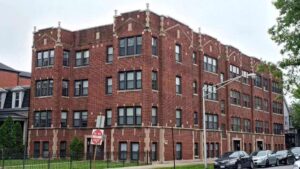
The building also served as a place where homeless encampment individuals could meet up with housing activists and discuss the housing crisis. The occupation soon became a protest that ended with all individuals being evicted and one arrested.
CHA Housing
A spokesperson for CHA made a statement that most vacancies happen due to redevelopment, minor updates to recently vacated buildings, and evaluations for future use. However, a report earlier this year by The Chicago Housing Authority’s Office of Inspector General (OIG) announced that the agency wasn’t reporting vacancies in units that were no longer occupied. Revealing the agency’s real vacancy rate was 14.6% while the United States Department of Housing and Urban Development (HUD)’s standard rate is 4%.
While the average Chicagoan is experiencing a small decrease in rental cost, those who are underserved are struggling more with the cost of living and adequate housing opportunities.
Written By AriAnna Rathers
Sources:
Chicago Sun Times– Rent prices dip slightly in Chicago metro area, report finds
Hoodline– Chicago Rental Prices Dip Slightly, Bringing Momentary Relief to Tenants Amid Soaring Living Costs
Next City– The Squatters Asking Why Chicago’s Public Housing Is Filled With Vacancies
Pay Scale– Cost of Living in Chicago, Illinois
Featured and Top Image Courtesy of Pete Markham’s Flickr Page – Creative Commons License
Inset Image Courtesy of artistmac’s Flickr Page – Creative Commons License




