















Field trips will always be one of the best parts of going to school. The school trips allow children to make long-lasting memories while still being educational. They also are a good way to develop the student’s social skills. Most students want to leave school as soon as they enter. But with more frequent school trips, they will be motivated to attend school and complete their work. The trips also expose students to new environments, which is an important thing to do for growing adults. These trips are a fun way for their students to learn and understand a certain topic even more than they would from just staying in a classroom and doing assignments.
But as time goes on, schools are developing smaller budgets, and larger workloads compared to previous years, and with the travel restrictions that only get tighter, the amount of trips that are taking place has decreased. With, the decline of field trips comes other problems like the drop in income for museums, which are the most common places schools take students on field trips. Additionally, If museums die out, then that would mean that one of the best places where people can learn things that are related to any type of history and science will also die out.
Zoos are also another common place that school field trips take place. If there are fewer and fewer field trips, then the zoos will lose more money if that happens then they will have no choice but to shut down which will take away the only chance to see certain animals that aren’t common in the public.
 What Are The Benefits of School Field Trips?
It was found that students who attended a field trip scored higher in test scores and improved in class. These students also increased culturally and were found to have fewer infractions and be less absent from class. In another study by the U.S. Travel Association, they found that regardless of gender, ethnicity, and even social class children who go on field trips have 59 percent better grades than those who don’t.
Additionally, high school students had 95 percent higher graduation rates. Even those in college got a surprising 63 percent higher graduation rate. Furthermore, 89 percent of the students who went on the trips had positive impacts on their education and career. The trips that were made forced students to be more engaged and more curious.
The CEO of the U.S. Travel Association said, “When I was little my parents told me the three Rs which are reading, writing, and arithmetic, and told me these are the most important. But now with my kid, I tell them there is a fourth R which is roaming see without seeing the neighborhood you grow up in, the world will just pass by you. The effect of roaming is making your child more confident and inspired to learn more things.” This goes to show how important field trips are and schools should start making them more consistent than they are.
Why is there more workload for students?
The pandemic resulted in significant learning loss, leading to increased pressure on school boards and, subsequently, heavier workloads for students. The education boards want to try to regain all the lost learning by sending out bigger workloads for students.
Subsequently, the total average number of hours spent on courses per week increased in 2023 to 33.4. Previously, the school work load equaled around around 30 or 31.
By Samuel Cruz
Sources:
BYU: Want students to do better in class? Send them on culturally enriching field trips
NEA Member Benefits: How Field Trips Boost Students’ Lifelong Success
Eric: A Review of Research on School Field Trips and Their Value in Education
Chicago Tribune: What is the value of the school field trip?
Times Higher Education: contact hours and exams push up staff and student workload
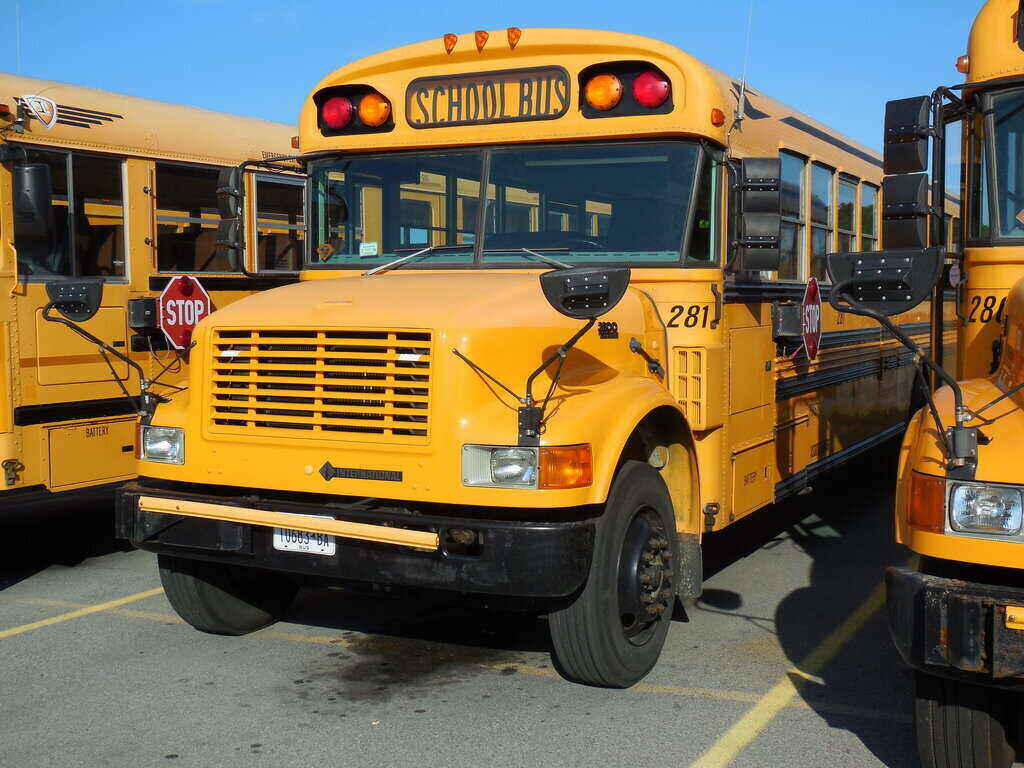
Featured and Top Image Courtesy of ThoseGuys119 Flickr Page–Creative Commons License
Inset Image Courtesy of Calmuziclover Flickr Page–Creative Commons License




