













Why not gamble?
Sports do not let you bet or gamble on yourself at all. Such as the NFL, which is a big thing with them. NFL star, Kayshon Boutte/ is a wide receiver for the New England Patriots. He engaged in illicit sports betting while he was an LSU student. For minors, it is a misdemeanor, according to the Louisiana State Police. According to the police, the investigation is ongoing, and more charges could be brought.
His gambling was discovered by detectives working for the Louisiana State Police. Gaming Enforcement Division, where Boutte placed sports wagers. Between April 6, 2022, and May 7, 2023, when he was 20 years old, Boutte allegedly used a fictitious name to circumvent Louisiana’s age restriction on sports wagering. Boutte didn’t do a very good job of masking his identity. The alias accounts utilize identities like “kayshonboutte01” and “kayshonboutte7.”
Illegal Behavior
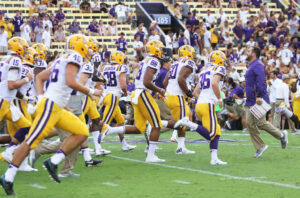
Repercussions for his previous actions seem to be rising. “For his gambling activity, according to a piece published on Thursday by Chad Graff of The Athletic, illegal behavior related to sports gambling while enrolled at the university,” the school said in a statement on Thursday. “Since then, we have and will continue to cooperate fully with all pertinent authorities involved in the inquiry. There is no proof that any other student-athlete engaged in these. Forbidden activities, and we appreciate the policies that identify and deter misbehavior linked to sports gambling.”
Boutte faces charges ranging from a misdemeanor of gambling with intent to deceive minors to a felony of computer fraud. According to a Patriots spokesperson, “The New England Patriots are aware that Kayshon Boutte is cooperating with Louisiana police regarding their investigation into an underage gambling charge while he was a student at Louisiana State University.” ESPN reported that the team did not expect any more comments on the issue.
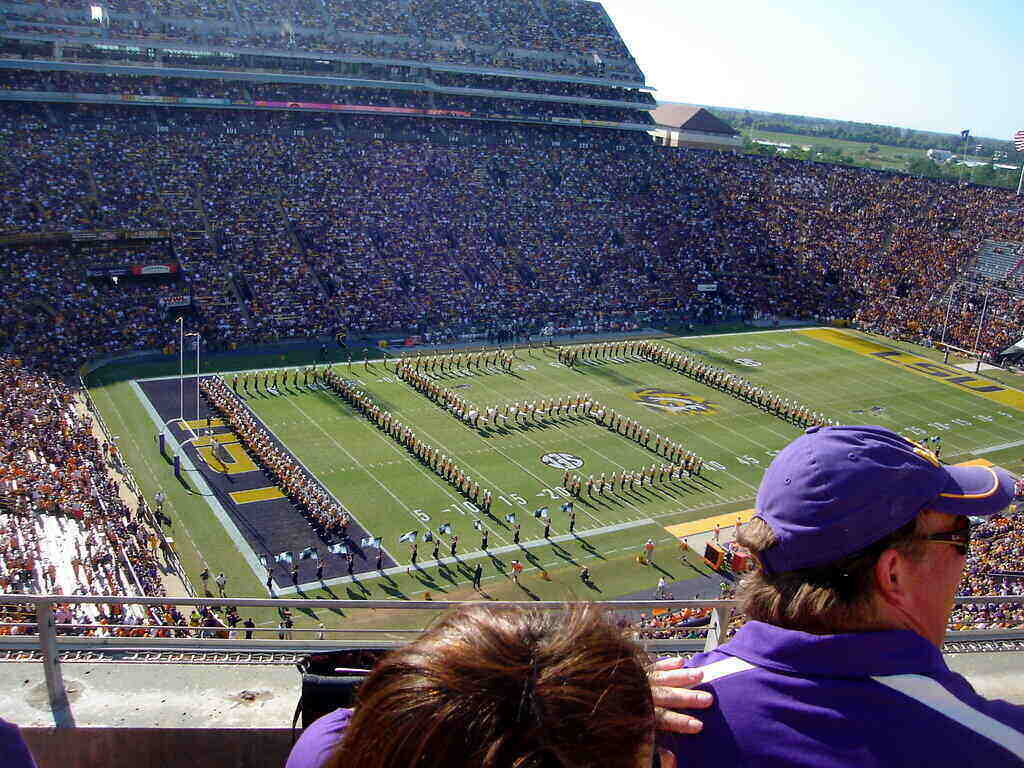
In December 2020, Boutte’s 308 receiving yards against Ole Miss as a freshman broke an SEC single-game record. As a sophomore, he finished the season with nine touchdown catches. However, he struggled with injuries during a forgettable junior campaign with the Tigers, and the Patriots took him in the sixth round of the previous draft. Sports Illegal Gamble in NCAA The accounts purportedly managed by Boutte, according to the Baton Rouge police department, wagered on “at least 17” NCAA football games and “at least six” LSU football games.
The Growth of Sports Gambling in the NCAA
Sports gambling has developed over time from clandestine betting dens to a multibillion-dollar industry, with the NCAA acting as a major venue for these kinds of activities. The increase in sports gambling in the collegiate arena has been spurred by the expansion of online betting platforms and the general appeal of NCAA tournaments like March Madness. Fans are heavily involved in NCAA game betting, ranging from low-key office pools to high-stakes wagering. Their motivations are frequently a mix of financial gain and a strong sense of loyalty to their alma mater.
While sports gambling can increase fan engagement and enthusiasm, it also presents serious moral conundrums and regulatory issues for the NCAA. Gambling is made more complicated by the amateur status of collegiate athletes, who are not allowed to receive any pay other than scholarships. Because sportsmen have a clear conflict of interest when they try to profit from insider information or financial incentives, the possibility of match-fixing and point-shaving looms large. In addition, the NCAA must navigate the increasingly diverse legal sports betting scene across state lines while maintaining tight restrictions to protect the integrity of collegiate athletics.
Conclusion
The NCAA’s widespread use of sports betting has a significant impact on players as well as institutions. Student-athletes may experience extreme stress and anxiety due to the pressure to perform in the face of widespread betting. The integrity of collegiate athletics is always in danger of being exploited by dishonest people looking to alter results for financial benefit. Furthermore, the possibility of scandals involving gambling can damage an organization’s brand and erode supporters’ and partners’ trust.
The NCAA’s sports gambling problem is complex and represents the meeting point of greed, morality, and emotion. The attraction of gambling brings excitement to college, but it also seriously jeopardizes student-athlete welfare and the fairness of competitive competition. The NCAA must continue to be watchful in maintaining its dedication to fairness, transparency, and the overall development of its participants as the betting industry changes. To maintain its essential ideals while maintaining the excitement of competition, the NCAA can attempt to strike a careful balance by addressing the moral conundrums, legal issues, and financial realities associated with gambling.
Source:
ESPN: Patriots’ Kayshon Boutte arrested over illegal betting at LSU by John Korduner
Rocky top Insider.com: –Former SEC Receiver Arrested For Sports Gambling Charges While at LSU by Ric Butler
Top and featured image Courtesy of Shoshanah’s Flickr Page, Creative Commons License
Inset image Courtesy of Tammy Anthony Baker’s Flickr Page, Creative Commons License




