















Taiwan is a beautiful country that lives in the heart of East Asia. However, it encountered a traumatic event of a significant magnitude on April 2, 2024. A powerful 7.4-magnitude earthquake, not only shook the grounds of East Asia, but also made buildings collapse and harmed lots of people.
The quaking began manifesting off the eastern coast. In addition to this, it reverberated through cities and countryside, stirring a mix of fear among its citizens. The event allegedly injured over nine hundred people but only killed nine. Nevertheless, it was Taiwan’s biggest earthquake in 25 years.
The Impact
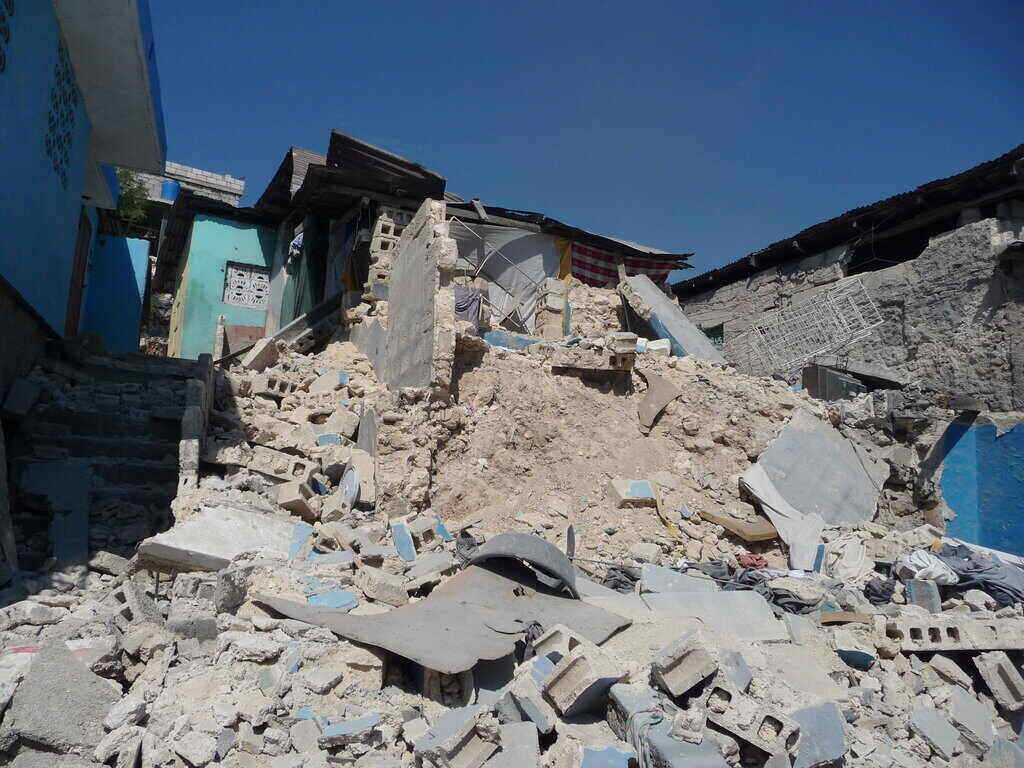
The seismic event, registering 7.4 on the Richter scale, bore witness to the massive power and unpredictability of Earth. The earthquake’s impact glided across the whole island. Subsequently, causing structural damage to buildings, disrupting infrastructure, and introducing a sense of vulnerability in communities. Reports of landslides, cracked roads, and shattered windows emerged, marking the very tangible aftermath of the quake. Lots of homes, workspaces, and possibly schools were lost.
Even in the face of such misfortune, East Asia showcased its preparedness and resilience. Years of investment in seismic rebuilding and disaster management strategies proved just how put together East Asia is. Earthquake’s extent of destruction was weaken with ensuring swift response efforts. Despite the scale of the earthquake, casualties remained minimal, a testament to the effectiveness of Taiwan’s disaster preparedness measures. Response and Recovery from this chaos was very tidiest and quick.
Following Taiwan’s biggest earthquake in the past 25 years, emergency response teams immediately jumped into action by orchestrating search and rescue operations. They also evacuated affected areas and provided aid to those in need. The government swiftly organized and prepared resources, coordinating with local authorities and international agencies to address the crisis. Community solidarity also acted as the foundation of the recovery process. Volunteers flocked to affected regions, offering assistance, shelter, and support to their fellow citizens. The spirit of resilience and unity spread as Taiwan rallied together in the face of conflict. The citizens there really symbolize the strength of collective action in times of crisis.
Lessons Learned
The seismic event served as a touching reminder of the ever-present threat brought by natural catastrophes and the important of preparedness. Taiwan’s very active approach to disaster management was characterized by their investment in infrastructure resilience. They also had public awareness campaigns and national coordination.
Furthermore, the earthquake brought light to the importance of national collaboration in disaster response and recovery efforts. Taiwan’s willingness to work with global partners and support expertise from across borders facilitated a more coordinated and effective responses. They were the interconnected nature of disaster resilience in an increasingly interconnected world.
Looking Ahead
As East Asia walks on the path to recovery, the quake serves as a spark for reflection and renewal. The event highlights the need for ongoing investment in disaster resilience, including upgrading infrastructure, community preparedness, and sturdy early warning systems.
Moreover, the quake underscores the importance of fostering a culture of resiliency, one that prioritizes collaboration, innovation, and adaptability in the face of adversity. By embracing a holistic approach to disaster management, East Asia can strengthen its resilience to future seismic catastrophes and emerge even more resilient in the face of natural disaster.
Conclusion
The 7.4-magnitude earthquake that rocked Taiwan serves as a significant reminder of the formidable forces of nature and the imperative of preparedness in the face of uncertainty. While the seismic incident did cause destruction and disruption, Taiwan’s response efforts personify the power of collective action in mitigating the impact of disasters.
The amazing island nation embarks on the journey of recovery from such an traumatic event. The earthquake serves as a spark for reflection. renewal, and resilience. Taiwan has learned lessons from this experience, which lead to them investing in the future, and having a culture of solidarity. Taiwan can emerge stronger and more resilient in the face of future challenges, reaffirming its status as a beacon of resilience in a dynamic and ever-changing world.
By Lavaunte Barnes
Resources:
NBC NEW – Taiwan’s strongest earthquake in 25 years kills at least 9
THE GUARDIAN – Taiwan earthquake: nine dead and 900 injured as buildings collapse
CNN NEWS – 7.4 magnitude quake hits Taiwan, strongest in 25 years
Featured Image Courtesy of EU Civil Protection and Humanitarian Aid – Flickr Page – Creative Commons License
Inset Image by Steven Martin – Flickr Page – Creative Commons License