










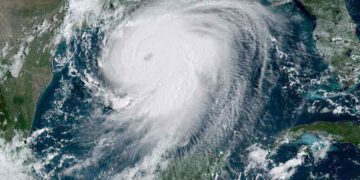





Climate change has been a reoccurring problem for years. With increased rain/snowfall and sunny days in the wintertime, the weather becomes unpredictable. Weather conditions and changes like this can cause numerous amount of problems. Increased rainfall can lead to a rise in sea levels along with flooding and severe storms.
However, when the weather drastically changes and a location isn’t receiving enough rain, it can lead to droughts. Some other effects include loss of species, poverty, and displacement, health risks such as asthma and heatstroke, shrinking glaciers, and more.
Climate Change Effects on Taj Mahal
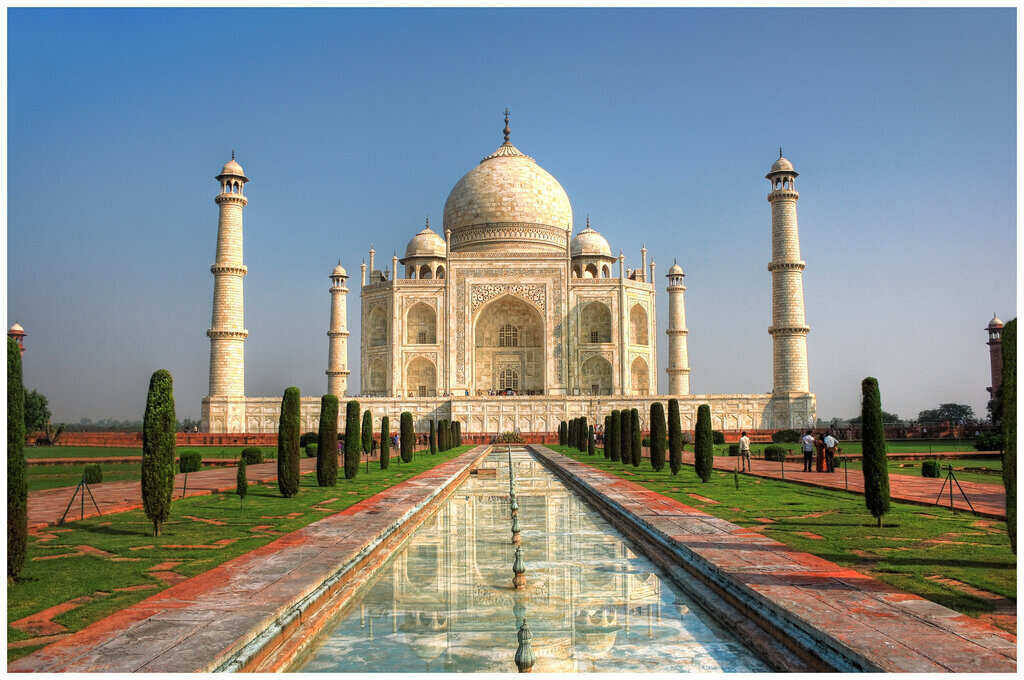
Northern India has been experiencing climate change effects such as flooding. On July 18, 2023, the flooded waters from the Yamuna River reached the white-marbled Taj Mahal, lapping around the compound walls of the monument. A garden behind it submerged in the floodwaters. Experts predict the flooding damage will get worse as climate change occurs more frequently, even though the Archaeological Survey of India says it is not under threat as a result of all the floods that have happened in India.
The Taj Mahal was built in the 17th century, ordered by Mughal Emperor Shah Jahan. Shah Jahan wanted this monument built to honor and remember his third wife, Mumtaz Mahal. She unfortunately died during childbirth in 1631 and Shah Jahan is striving to keep her memory alive. Workers began building this monument in the city of Agra in the year 1632. Shah Jahan and the people of India are happy with the outcome.
What Does the Taj Mahal Look Like?
Known as India’s most famous and recognizable building, the monument can be found in the eastern part of the city. It is south of the Yamuna (Jumna) River bank. Red Fort, also known as Agra Fort, is one mile west of the Taj Mahal. The Taj Mahal is covered in pure white marble, from the top to the bottom and elevates like a tall tower. Its height compliments the fairy-like white marble very well.
The marble and floral arabesques emphasize Mumtaz Mahal’s beauty and her and Shah Jahan’s romance. The materials to get this effect were brought in from all over India and central Asia. However, the white marble was bought from Jodhpur. The stones for the inlay were bought from Egypt, Russia, Golconda, Russia, Punjab, China, and Afghanistan.
Thousands of masons, marble workers, and decorators put in so much work into this monument. It became the jewel of Muslim art in India, for people traveled from all over the world to view this masterpiece. The Taj Mahal stands on the right bank of Yamuna in a Mughal garden and is surrounded by four minarets. It also holds a bunch of alleys and basins of water. The Taj Mahal portrays a great example of Mughal architecture.
Mughal Architecture
This kind of architecture is full of building styles and originates from Mughal emperors during the late 16th and early 17th centuries. The style prospered and caught people’s attention in Northern and Central India. This period struck a revival of Islamic Architecture as multiple different styles were used to produce art and refinement.
Mughal Emperor Humāyūn, adopted this new style even though it shows a strong influence of Persians. The first great period of building activity was led by Emperor Akbar. It happened in Agra, the new capital city of Fatehpur Sikri founded in 1569. In India, they are making multiple monuments and buildings to represent Mughal Architecture.
How Can We Prevent Climate Change?
In hopes of saving this significant monument, there are a few ways to slow the effects of climate change. Fighting climate change will help manage the effects that are causing the Taj Mahal to flood. Some solutions include:
- Walk/ invest in electric cars.
- Reduce, reuse, repair, and recycle waste.
- Switch household light bulbs to LEDs.
Changing lifestyle habits is important because this can reduce the effects of climate change, significantly preventing further damage to the environment.
By Micah Grison
Sources:
CNN: Floodwaters reach iconic Taj Mahal as northern India reels from massive deluge
CNN: Taj Mahal Fast Facts
Ministry of Culture: Taj Mahal
National Oceanic Atmospheric Administration: Climate Change Impacts
Featured and Top Image Courtesy of Daniel Mannerich‘s Flickr Page – Creative Commons License
Inset Image Courtesy of Andrea Kirkby‘s Flickr Page – Creative Commons License




