
















Introduction
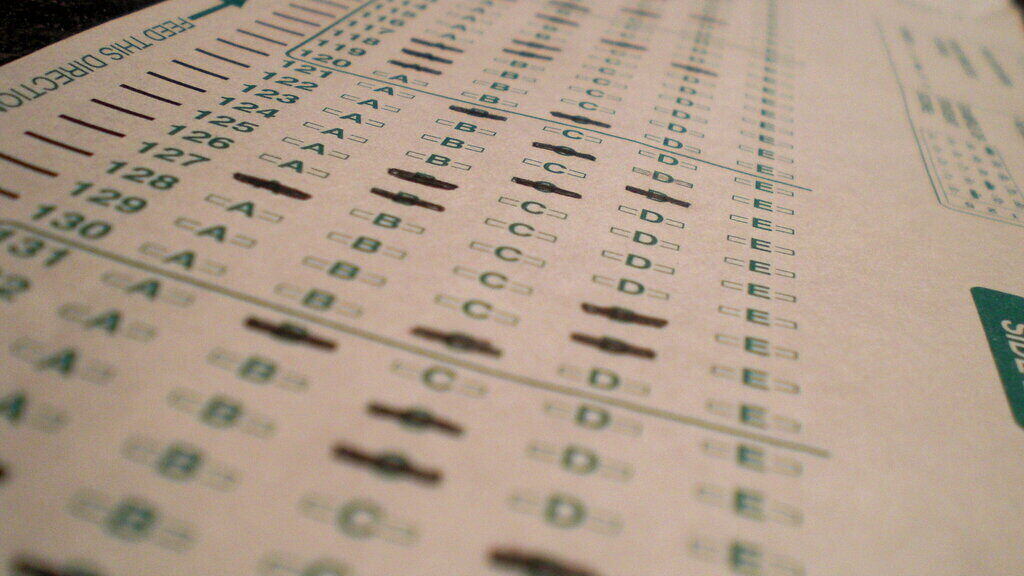
In many nations, standardized testing has long been an important part of the educational system. It is frequently viewed as a necessary tool for evaluating teacher effectiveness, student learning, and even influencing educational policy. Yet, there is mounting evidence to suggest that these assessments could be harmful to educational standards in addition to being ineffectual. Here, we examine the arguments in favor of reviewing and eventually doing away with standardized testing.
The Misalignment with Educational Goals
The limited scope of standardized examinations is one of the main problems with them. These tests often assess particular knowledge and skill areas, frequently prioritizing rote learning and memorization over critical thinking and creativity. This method doesn’t align with general educational goals that seek to get students ready for the complexity of the real world.
Teachers are frequently forced by standardized tests to “teach to the test,” meaning that rather than engaging students fully with what’s being taught, classroom time is spent getting ready for these exams. This may limit students’ ability to develop critical thinking abilities and limit their chances to participate in creative, collaborative, and problem-solving learning.
Inequity and Standardized Testing
Another significant issue with standardized tests is how they perpetuate inequality. These exams are typically biased in various ways, reflecting and reinforcing socioeconomic, racial, and cultural inequalities. Wealthier students frequently have greater access to resources, such as tutoring and introductory classes. This can have a big impact on their testing results.
On the other hand, kids from low-income families are less likely to have access to these resources. Therefore, this puts them at a disadvantage in the system. The cultural bias in many standardized tests have drawn criticism. Students from diverse backgrounds or those whose first language is not English may find the language used in the questions unusual, which could negatively affect their educational chances and test scores.

The Stress Factor
Students’ mental health may suffer tremendously from the pressure to perform well on standardized tests. Students are progressively more likely to experience stress and anxiety, especially during exam times.
This intense pressure can lead to burnout, reduced interest in learning, and even physical health issues. Younger kids are more affected since they are less able to manage stress. This may discourage kids from engaging positively with their education as they become older by creating in them a sense of failure and inadequacy at an early age.
A Misguided Assessment Tool
When making important decisions about a student’s future, such as grade promotion or college acceptance, standardized examinations are often utilized. Many educators argue that these tests only give a partial picture of students’ ability. Different learning styles and intelligences aren’t taken seriously by the format and design of standardized testing. They don’t give a whole picture of a student’s abilities or potential, since they don’t take into consideration students who might perform very well in non-tested subjects like the arts, sports, or social-emotional skills.
Instead of evaluating students’ greater understanding of the material or their capacity to apply knowledge in real-world situations, standardized assessments measure their ability to briefly recall information. The following may result in a poor comprehension of the subject matter, with a focus more on instant memory enhancement than on long-term retention and recall.
Moving Forward
An increasing number of people are pushing for the elimination of standardized testing in favor of more accurate and comprehensive assessments as we shift to more progressive educational concepts. These alternatives offer a more thorough and ongoing picture of a student’s growth and abilities. Examples of these are portfolio exams, project-based learning evaluations, and continuing assessments.
Education systems can help create environments where students feel valued and motivated to learn, and where teachers feel empowered to teach creatively and effectively, by putting less emphasis on the results of test scores and more on the learning processes themselves.
Conclusion
Standardized testing is a contentious topic, but the data points to potential negative effects over benefits. The transition from standardized testing to more equitable and comprehensive methods of assessment could lead to the development of an educational system that is more supportive, inclusive, and successful in educating students for the challenges of the future.
Written by Jordiana Jean
Sources:
NEA Today: Standardized Testing is Still Failing Students
ProCon.org: Do Standardized Tests Improve Education in America?
Sword & Shield: Standardized Tests Should be Abolished
Featured Image Courtesy of biologycorner‘s Flickr page – Creative Commons License
Inset Image Courtesy of US Department of Education‘s Flickr Page – Creative Commons License




