















The Term “Migrants”
The word “migrants” describes a broad and vibrant population of people. Particularly, those who travel across social, political, or geographic borders in pursuit of safety, better opportunities, or a new way of life. Migration is a phenomena that has shaped cultures, civilizations, and the fundamental fabric of our globalized globe throughout human history.
There are many different types of migration, and each is caused by unique circumstances. People economically do so in search of better employment opportunities and stable financial circumstances.
They frequently relocate from less developed to more developed areas. In contrast, forced migration is the result of circumstances. Main reasons being conflict, persecution, or natural disasters. Forcing people to leave their homes in quest of safety and survival.
There is also a type of migration that is driven by a desire to travel or pursue education. Adding to the diversity of viewpoints and ideas around the world.
The worldwide Scale: As per the report by the International Organization for Migration (IOM), 281 million individuals were predicted to be residing outside their nation of birth in 2020. This mobility, whether domestically or internationally, adds to the complex tapestry of human experience.
Throughout their travels, they frequently run across a wide range of difficulties. Unauthorized migration routes carry a high risk of human trafficking, exploitation, and exposure to hazardous environments.
Legal obstacles, xenophobia, and discrimination can make it difficult for immigrants to integrate into their new communities. The trauma of displacement adds another level of complication. Especially for people who are forced to leave their homes because of violence or persecution.
The Culture
Economic Contributions: Immigrants are essential to the growth of the economies of both their host and native nations. Migrant labor fills labor shortages in destination nations. Further, promoting economic expansion and supporting sectors including construction, healthcare, and agriculture. They remittances to their home countries provide essential financial support. As well as frequently aid in the growth of local communities and economies.
Migration is a cultural interchange that benefits societies as well as a physical migration.
There is a sizable refugee population as a result of the global upsurge in forced migration brought on by conflicts, persecution, and humanitarian disasters. The predicament of refugees emphasizes the critical need for global empathy, collaboration, and solutions to address the underlying causes of displacement.
Collaboration between governments, communities, and the migrants themselves is necessary for the complicated process of successfully integrating migrants into their host communities.
For migrants to be able to constructively impact their new settings and promote social cohesion, they must have access to legal protection, healthcare, work opportunities, and education.
The Outlook
An essential component of moral and humanitarian governance is upholding the rights and dignity of migrants. Upholding the rights of migrants requires establishing fair labor practices, fighting human trafficking, and offering channels for lawful migration. It is morally required to acknowledge their humanity and grant them the same rights and respect as any other person.
A new class of migrants known as environmental migrants has emerged in recent years as a result of environmental changes including climate change and natural disasters. Communities may be forced to relocate due to rising sea levels, severe weather, and environmental deterioration, which further complicates the world’s migratory situation.
Comprehensive strategies and international cooperation are necessary to address the complexity of migration. To develop frameworks that strike a compromise between security issues and humanitarian imperatives, nations must cooperate. Working together, we can tackle the underlying reasons behind migration, advance sustainable growth, and create inclusive, equitable systems that uphold the rights and dignity of migrants.
In summary, the story of them is intricate and varied, covering issues such as humanitarian crises, economic aspirations, and the desire for a better life. Fostering empathy, advancing inclusivity, and influencing policies that support the values of human rights and dignity all depend on our ability to comprehend the difficulties faced by migrants and to acknowledge their contributions to the international community.
Our approach to migration, which is based on empathy, collaboration, and a common goal of creating a more equitable and connected world, must change as the world does.
Written by: Kamaria Morse
Sources:
AP News – Migrant caravan slogs on through southern Mexico with no expectations from a US-Mexico meeting
ABC 7Chicago – Pritzker, Preckwinkle pledge combined $250M for Chicago migrants; mayor dodges questions
AP News – US delegation meets with Mexico’s government on migrant influx, as officials clear border tent camp
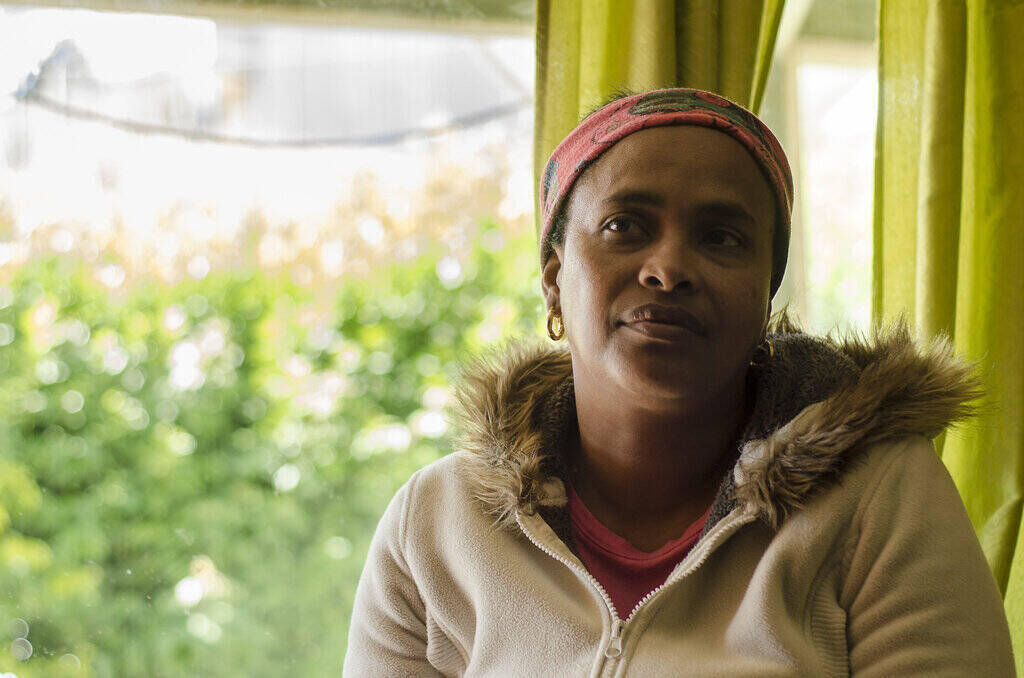
Top and featured image Courtesy of Esteban Ignacio’s Flickr Page – Creative Commons License
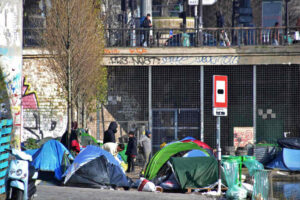
Inset image Courtesy of Jeanne Menjoulet’s Flickr Page – Creative Commons License




