















A Dive into the World
These aquatic mammals never cease to astound and excite scientists and laypeople. They are alike with their immense size, extraordinary intelligence, and enigmatic nature. These animals, range in size from the magnificent blue ones, to the largest animal on Earth. Also, the graceful humpback whales, are both essential to the marine ecosystem and have a special place in our hearts.
The blower order, which is further split into the toothed and baleen suborders, includes these creatures. There are many different species included in this categorization, and each has distinct traits and habits of its own. Baleen, like the blue whales, obtain their food by passing tiny particles, such as krill and plankton, etc. Fish, squid, and other aquatic life are hunted by toothed whales, such as orcas and sperm whales.
The Deep’s Giants
The largest known mammal to have ever lived on Earth, is the blue one (Balaenoptera musculus). One of the most iconic species these amazing animals overshadow even the greatest dinosaurs. They’ve Reached lengths of up to 100 feet and weigh as much as 200 tons. Blue ones of this animal eat a lot, but during the summer feeding season, they can consume up to four tons of microscopic krill each day, despite their enormous size.
Sperm ones (Physeter macrocephalus), another noteworthy species, is well-known for its huge, square-shaped head and capacity for deep diving. The world’s largest toothed carnivores, The sperms can grow to a maximum length of 60 feet in some cases. In pursuit of their prey, these lone hunters go to amazing depths — up to 3,280 feet — and hold their breath for up to ninety minutes.
Many of these animal species are extremely gregarious animals that establish intricate communities and display complex behaviors. In contrast some of them are solitary species. Perhaps the most well-known example of a sociable ones species is the killer ones, also known as the orca (Orcinus orca). These extremely clever animals live in close-knit families called pods, which can have as many as 40 members. Orcas in these pods use a variety of vocalizations to communicate with one another and work together to find food.
The Social ones

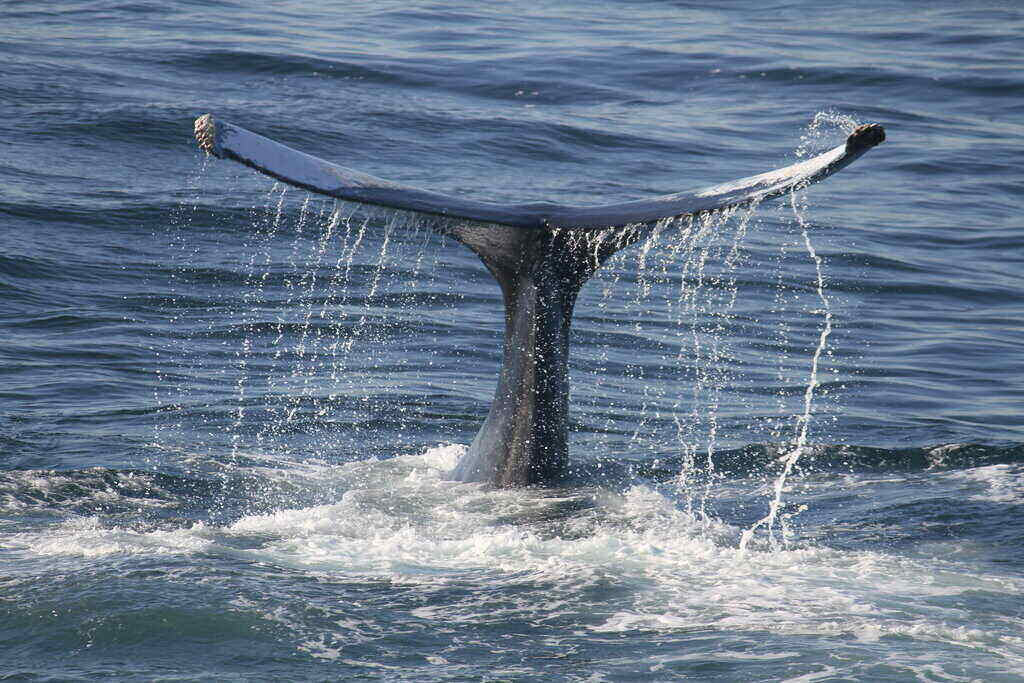
Another dynamic animal are the humpback ones called (Megaptera novaeangliae), which is distinguished by its intricate courting customs and eerie vocalizations. Male humpbacks sing complex melodies that can continue for hours and reach great distances across the ocean during the breeding season. Within their populations, these sounds may be important for creating social hierarchies and luring partners.
Human activity, which includes habitat degradation, pollution, and climate change, is one of the most urgent problems. These animals are at serious risk of injury or death from collisions with ships, particularly in crowded maritime channels.
Conservation Efforts
Fortunately, there is growing awareness of the importance of whale conservation, and efforts are underway to protect these magnificent creatures and their habitats. Organizations such as the International Whaling Commission (IWC) work to regulate whaling activities and promote the conservation of whale species worldwide.
Their protected areas help to safeguard critical feeding and breeding grounds, allowing whale populations to recover and thrive.
Education and public awareness campaigns are also essential to the conservation of these animals. People can help save these famous marine mammals for the enjoyment of future generations by spreading awareness of the issues confronting whales and encouraging sustainable behaviors.
Final Thoughts
Whales are essential to marine ecosystems and serve as emblems of the immensity and wonder of the oceans. The need to conserve these mysterious giants is becoming more and more obvious as we learn more about them because the state of our world depends on them. We can guarantee that whales will continue to be majestic creatures that beautify our oceans for generations to come if we band together to address the challenges affecting whales and their ecosystems.
Written By: Kamaria Morse
Sources
Live Science – Sperm whales drop giant poop bombs to save themselves from orca attack By
Live Science – Why some whales go through menopause By
Live Science – Critically endangered right whales are shrinking, with drastic consequences for their population By
Top and featured image Courtesy of Isaac Kohane Flickr Page – Creative Commons License
Insert image Courtesy of mhobl Flickr Page – Creative Commons License




