
















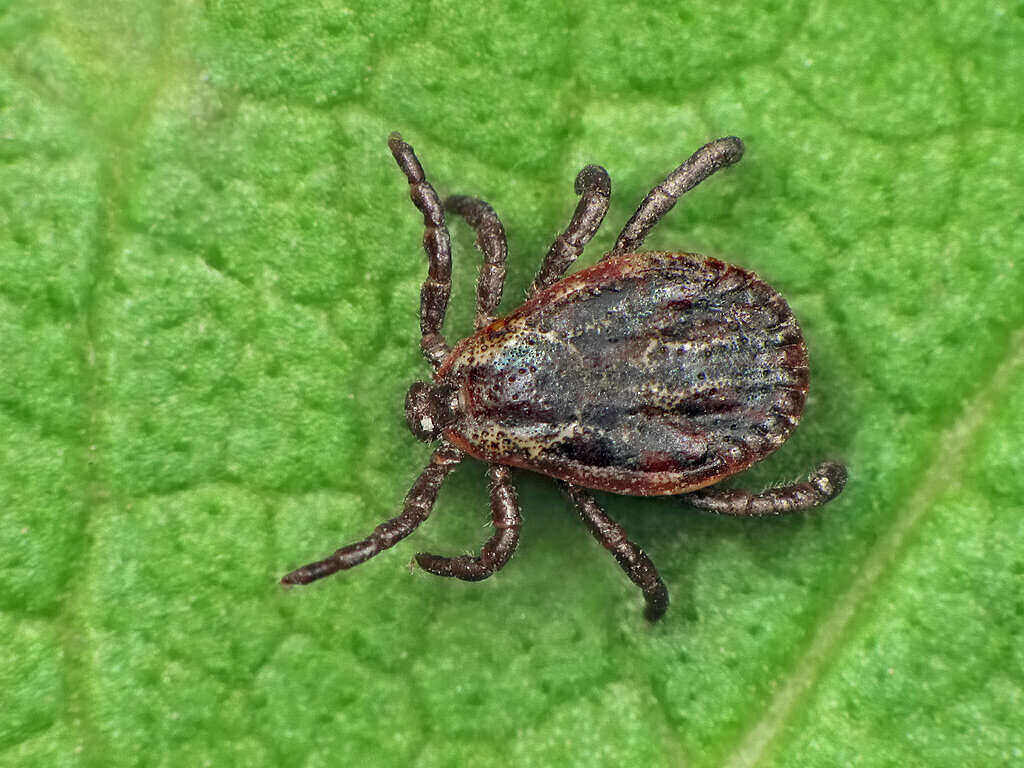
There is a tick-borne disease called Babesiosis that is spreading quickly, according to the Centers for Disease Control and Prevention. It can result in death (in some cases) and is becoming more common in the Northeast. Due to the increase in weather temperature, they are able to travel and live for longer. Out of 10 states that have the ticks, eight have recently reported their population growing.
The tick-borne disease, Babesiosis, is now considered endemic in:
- New Hampshire.
- Maine.
- Vermont.
These three join the other states that consider them endemic:
- Massachusetts.
- Connecticut.
- New Jersey.
- Minnesota.
- New York.
- Rhode Island.
- Wisconsin.
Babesiosis comes from deer ticks. Once bitten by one it passes its parasite into the bloodstream (affecting red blood cells). Getting this disease can likely cause amenia due to the destruction of red blood cells. Furthermore, symptoms, after being bitten by a babesiosis-infected tick, include:
- Fatigue.
- Low-grade temperature.
- Pulsing or itching around the bite area.
- And then the symptoms get worse.
On the other hand, a blood test confirms if someone has babesiosis or not. Luckily babesiosis does not have to be treated unless symptoms are present. Like most ticks, if fatal, can be treated with antibiotics.
What are ticks? Are they bad?
Ticks (a type of mite), have eight legs and a flat oval body. They feed on the blood of all kinds of animals and humans. Additionally, their bite after-effects can include brain and nervous system problems, joint pain, and even heart problems. furthermore, they are very small. Adult ticks can reach the size of an apple seed, meaning they are hard to notice.
These critters can be found across the United States. First, they live in shrubs, tall grasses, and leaf litter. Second, they can also rest on wood piles, bird feeders, grass patches on lawns, etc. Most Mites (not all) spread diseases. They are able to spread them well due to their small size. Especially easy accessibility to latch on to humans or animals as well.
Contagious Ticks

Mites, like ticks, can carry bacteria, viruses, and parasites. Mites that are more commonly contagious include: Wood, Deer, Brown Dog, Gulf Coast, Lone Star, and Rocky Mountain ticks.
These mites can also carry the following:
- Colorado Tick Fever: Found in mountains, individuals can get a fever from this.
- Heartland Virus: Found in Missouri and Tennessee.
- Lyme Disease: causes a rash, often in a bull’s-eye pattern, and flu-like symptoms.
- Ehrlichiosis: Found in South Central U.S, can give rashes
- Borrelia Miyamoto: Found in the North East U.S, can give joint pain
- Red Meat Allergy: Found from Texas all the way to New England, can give allergies to red meat.
- Tularemia: Found anywhere in the Country, can give fever
- Rocky Mountain Spotted Fever: Originally it was called “black measles” because of the look of its rash in the late stages of the illness the skin turns black. It can give bad headaches and fever.
- Powassan Virus: Found in the Northeast, can cause severe disease, including infection of the brain (encephalitis) or the membranes around the brain and spinal cord (meningitis).
- Anaplasmosis: Found in the North East. Individuals with anaplasmosis will often have a fever, headache, chills, and muscle aches.
- Tick-borne relapsing fever: Found from Ohio to California. It is a rare infection linked to sleeping in rustic cabins, particularly cabins in mountainous areas of the western United States.
What To Do If a Tick Bites Someone
First, remove the tick as soon as possible, using tweezers will help. Second, when taking off, make sure the whole tick is removed (sometimes their legs stay on). Third, call your doctor, they will let people know what to do next. No matter what, the Centers for Disease Control and Prevention recommends not taking any antibiotic of some sort. This will alter the bloodstream, and in some cases make the symptoms worse.
Most mite bites can be left alone, however, there are some that may require taking Antibiotics. Not to mention if rashes show up using special creams will help too.
Ticks live on tall plants and areas that people and animals pass by a lot. Therefore, it is recommended that when going hiking, going to prairies, going to grassy areas, going to the woods, etc. do the following:
- Wear Long sleeves.
- Wear long pants.
- Use repellents or use natural essential oils like peppermint.
- Shower if ticks are present, this most likely washes them off.
- Check for ticks, common areas tick latch on are underarms, scalp, ears, belly button, waist, legs, and knees.
Tick season is about to be in full bloom, so it is important to protect oneself from these disease-carrying critters and several others.
Written by Adriana Castelan
Sources:
FDA: Parasites- Babesiosis
Aol: Cases of yet another tick-borne disease are rising in the Northeast, CDC says
WebMD: What Are Ticks and What Diseases Do They Spread?
Featured Image Courtesy of Ryszard Flickr page- creative commons license
Inset Image Courtesy of Tim Gorman Flickr page- creative commons license




