













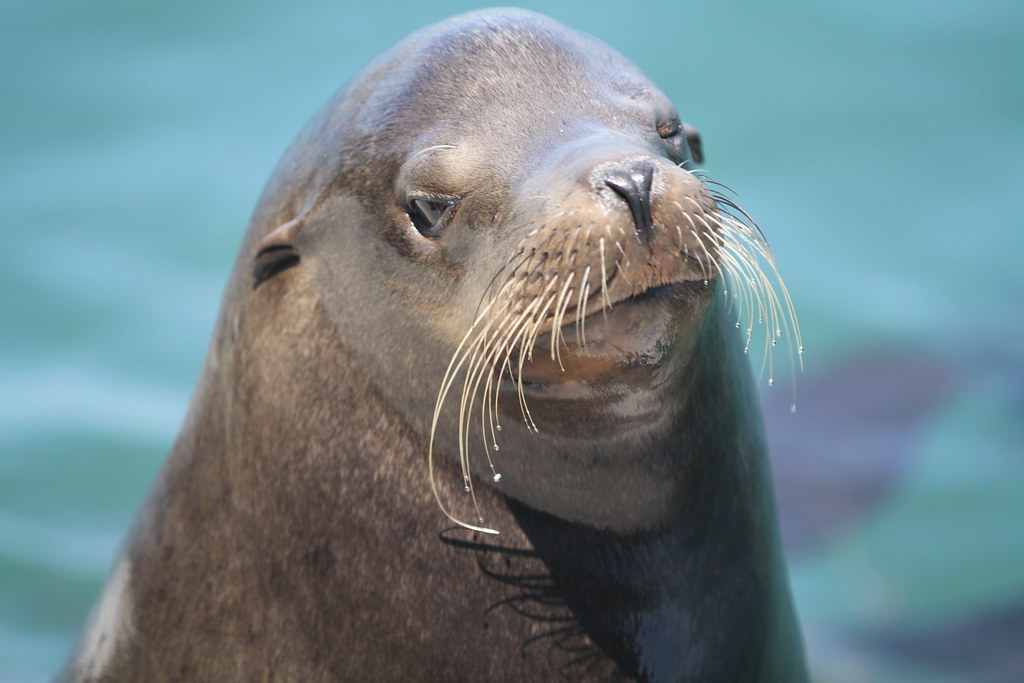
Wildlife experts and Californian officials are urging people to be alert when at the beach or other areas sea lions hang out. Toxic algae blooms are causing sea lions to become sick and aggressive towards humans.
Currently, experts have found at least seven of these marine mammals have attacked humans as of Saturday. Three of the victims were beachgoers, two were surfing, one was paddle boarding, and the last one was a diver. However, other areas in California appear to be experiencing aggressive sea lions as well.
Aggressive Behavior
Channel Islands Marine & Wildlife Institute (CIMWI) executive director Sam Dover, stated there have been several reports “in Los Angeles County as well.” Previously, Orange County Parks officials placed warning signs up after two individuals were attacked. The two people were visiting the Salt Creek and Strands beaches when affected sea lions injured them.
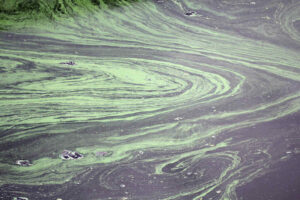
Since May, there have been hundreds of sea lions and dolphins washed ashore either sick or dying because of the algae blooms. The cyanobacteria can not only cause harm to animals but it can also affect local ecology and humans as well. The harmful algae (HAB) can look like foam, paint, scum, or mats on the water’s surface and can come in different colors.
The blooms have been known to produce toxins that make animals and people sick. Additionally, harmful algal blooms occur in salt water, such as bays and oceans, and in freshwater, like lakes and rivers.
Becoming Affected
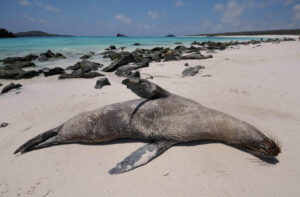
 Sea lions can display a variety of behaviors when they are impacted by domoic acid poisoning. Algal blooms can poison marine animals by them swimming in the infected waters or by eating shellfish or fish containing marine toxins.
“These toxins can build up in seafood through larger fish eating smaller fish,” according to the Centers for Disease Control and Prevention (CDC). When the toxins are exposed to the animals they can develop neurological damage. Sometimes they can die within hours if not days after swimming in unsafe water or eating seafood that contains the toxins.
Toxins called domoic acid can poison Californian sea lions. Domoic acid comes from blooms of the diatom (single-celled organism) Pseudo-nitzchia. Once infected the sea lion can experience neurological effects like bulging eyes, seizures, “lethargy, disorientation, unpredictable and/or aggressive behavior.”
Advice
Marine Mammal Center spokesperson Giancarlo Rulli stated that it is important for people to keep a safe distance from sea lions. Rulli suggests at least 50 yards from the animals whether the sea lion is impacted by the disease or not. Furthermore, people should not intervene with the animals. In fact, they should call experts to come assist.
“It’s critical that beachgoers instead check who your local wildlife first responder is (dependent on what county), call to report, and let the trained experts determine whether a response is necessary,” added Rulli.
It is possible that HABs are occurring more often because “Climate change and a rise of nutrient pollution are environmental circumstances,” according to the Channel Islands Marine & Wildlife Institute. It’s not uncommon to see HABs hit an area. However, it appears to be happening more frequently and affecting more animals than usual.
 Can it Be Reversed
The sea lions eat anchovies and sardines in large quantities. Domoic acid can be carried by these fish which can then infect the marine animal. The acid attacks the heart and brain “causing seizures and heart failure. If left untreated, it usually causes permanent brain damage,” stated Rulli.
The algae bloom toxins can “naturally flush from an animal’s system over time.” However, repeated exposure to the toxin can cause the sea lions to “suffer longer-lasting and more serious effects.”
Additionally, if experts are alerted to affected animals they can treat them “before significant damage occurs.” Oftentimes, experts are able to “flush the toxin from their systems by giving them fluids,” according to Rulli. Experts are also able to feed the sea lions fish that are free of domoic acid and anti-seizure medications.
By Sheena Robertson
Sources:
Axios: California officials warn toxic algae making sea lions aggressive
CDC: Harmful Algal Bloom (HAB)-Associated Illness
Channel Islands Marine & Wildlife Institute: Domoic Acid and California Sea Lions
Top and Featured Image Courtesy of Andy‘s Flickr Page – Creative Commons License
First Inset Image Courtesy of Ian Sanderson‘s Flickr Page – Creative Commons License
Second Inset Image Courtesy of Scott Ableman’s Flickr Page – Creative Commons License




