















Fellow Chicagoans, walk outside your door and down to the steps of your porch. Look at the yard in front of you, your neighbor’s yard, and the streets in front of you. What do you see? Is it just the occasional plastic bag? How about candy wrappers? Maybe it’s some behind-the-counter product? Whatever it is, it’s called litter.
Chicago is considered one of the top cities that produce the most roadside litter, according to Trashcans Unlimited. This litter is the same waste that crowds the landfills of Chicago. Though it may not seem like much when in pieces, recent reports show the accumulation of garbage over the years is alarming. Litter has great consequences for humans, animals, plants, and the environment.
The Negative Effects
- You: People who get caught in it can trip or get cut. These same pieces of trash are a breeding grounds for bacteria and diseases. They can transfer viruses and parasites through direct and indirect contact. Germs can also spread through direct contact. Imagine getting cut on a bacteria-filled soda can because someone did not want to throw it away properly. Now you are at risk of catching an infection.
-
courtesy of Gabriel Langton( flicker Cc0) Animals: Litter cannot be digested. Some wildlife eats this mistakenly, and it tricks them into thinking their stomach is full. This causes them to stop eating completely and accidentally starving themselves.
- Plants: Litter can contaminate the soil with hazardous chemicals. This results in the plant’s growth being stunted or stopped completely. Then animals that eat the crops and worms that live in the soil might become sick.
- Environment: When trash decays in water, it decreases oxygen levels, and it kills aquatic life. Littering spreads germs and bacteria into the community. A total of 60% of water pollution is caused by litter. Diseases that arise from it include cholera, diarrheal illness, and typhoid (this is a life-threatening disease caused by bacteria). These diseases contaminate the water, leaving it unbreakable while also spreading sickness. Humans burn more than 40% of the earth’s trash. This smoke goes into the air and leaves humans and animals (and plants) with respiratory issues.
- Mindset: This is for people who think that littering is not “their problem.” This is also for the people who see litter and proceed to litter as well. Some believe that if there is already litter on the ground, their own won’t matter. This leads to huge pile-ups and the other listed negatives. By disregarding these, littering is selfish and inhuman.
What Exactly Is Littering?
Common Litter in Chicago
- Cigarette butts.
- Plastic bottles and caps.
- Food/snack packaging.
- Plastic bags.
- Aluminum cans.
- Animal excrement.
What Causes This Waste?
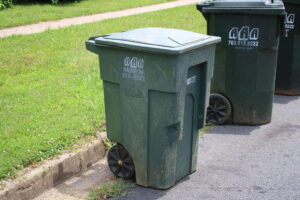
- Trash can/dumpster lids not closed properly: If a trashcan/dumpster lid is not closed properly or is without a lid, it is sure to scatter its trash around via wind or animals.
- Worksites (loading docks, construction, and demolition sites): Some sites don’t dispose of their trash properly. Be it water from cement trucks, construction material waste, or spills. If you own or work at a site, ensure that your workers understand the importance of a clean workplace, and implement nearby dumpsters and trash cans.
- Motorists and pedestrians: These are the people who toss their waste out while driving, walking, jogging, and biking. Maybe it’s because they aren’t close to where they can dispose of their trash, but in cases like these, it’s better to hold your garbage until there is a source nearby that has one.
- Unsecured truckload: If cargo is not tied down on trucks, the product can spill and will be spread across streets and freeways. Now, in the case of where something blew off your vehicle, be sure to turn back and get it.
How We Can Fix It
- Lobby for more trash cans in your neighborhood. Hypothetically, If there are more places for you to put your trash, there shouldn’t be so much litter.
- Just don’t litter. You know the negative effects -so why should you feel the need to do it, anyway?
- Do not throw trash out of any vehicle.
- Keep your yard clean and free of trash so it doesn’t blow around and become litter
- When you’re in a public area, be sure to clean up behind yourself.
- Recycle cardboard, glass, and plastic.
- Educate the community. They might not know the significance of a clean environment compared to a cluttered one.
By Khalyse Hemingway
Sources:
UIC reports: EXECUTIVE SUMMARY
Sustainable: CAUSES AND EFFECTS OF WASTE POLLUTION
Wttw: Chicago’s Trash Doesn’t Go to Waste at Pontiac Landfill
PBS: Urban Ecosystems Profile
Texas disposal systems: How does littering affect the environment?
Herald Mail Media: five major Consequences for Littering
Rubicon: the devastating effects of mismanaged trash on wildlife
Sciencing: the effects of littering on environments and animals
Inset image courtesy of Gabriel Langton‘s Flickr page – Public Domain License
Featured image courtesy of Kate Ter Haar‘s Flickr page – Creative Commons License




