
















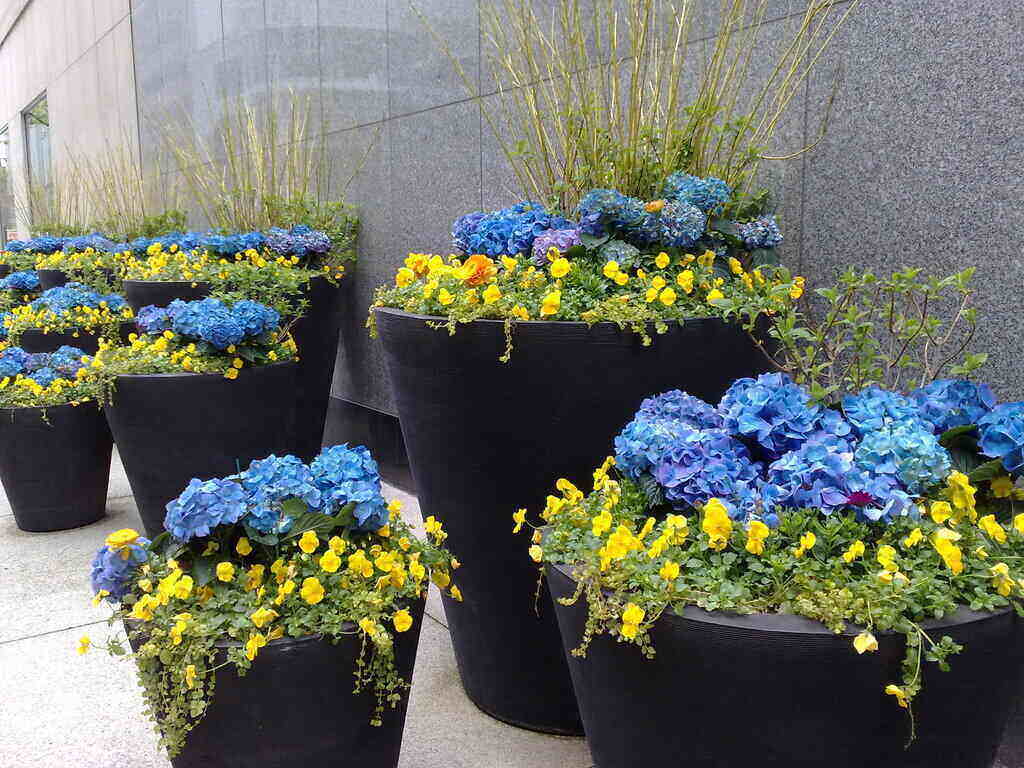
A luscious garden and vibrant daisies always look better in catalogs — a lot less effort too. However, not everyone has the luxury of a big yard or loads of money to spend on those pretty pre-planted combination planters.
Container gardening is exactly what it sounds like. The practice of growing flowers big and small, more common small plants, in a self-contained space instead of the ground. This allows the plant to have a portable home where a person can choose to decorate any part of their house — the front porch, windowsill, or the bookshelf — and there are more types of plants than one would think possible to grow inside containers.
How does a person get a singular seed in one pot to flower delicately over the sides of a container like the photos? The answer is simple; group them. Then, whether it is two different types of flowers or one consistent colored bouquet at the doorstep, plant two or three plants in a pot and watch it grow.
Getting Started
To begin a small slice of life with a container garden, first assess the growing space available. For experimenting, growers with little open space with sunlight — no patio or outdoor space — may restrict the selection to houseplants that can grow fine with artificial light or flowers that have no problem growing in restricted shade.
The same goes for how big or how small the pots and containers are. Again, knowing this is better in the long run if a person is more on the forgetful side in terms of watering and managing plants.
A good rule of thumb is to go for shallow-rooted plants for container gardens. Planting different species of flowers or even herbs together is fine, but it is best to know to plant them together only if they have the same sunlight and water requirements to avoid watching them die too early.
Furthermore, there is no reason to be constricted to those terrible terracotta and plastic pots either. Go cottage core aesthetic by using old watering cans and wooden crates and line it with plastic and drill a few holes in the bottom, and it is ready for a cascade of yellow marigolds and blue salvia’s
Why Is It All Worth It
Growing a cluster of small plants along the patio is nice to look at, but it has also been proven many times over to improve one’s emotional well-being. In addition, indoor plants have been researched to improve air quality and reduce anxiety and stress.
When first growing flowers from seeds, seeing the tiny seedling emerge from the soil suddenly one morning brings a sense of accomplishment at being able to nurture a seed the side of a needle into a shower of leaves and petals. In addition, gardening and plant care can distract the mind from stressful thoughts and provide physical activity for people who may otherwise be housebound.
It does not have to be stress full or pricy and can even provide a surge or rewarding treat if one chooses to plant a batch of strawberry seeds or a group of herbs for an upcoming homemade meal. In addition, it gives a new sense of accomplishment when waking one morning to find ripe strawberries ready to be plucked from the windowsill.
Written by Brielle R. Buford
Edited by Cathy Milne-Ware
Sources:
Coveteur: Starting An At-Home Garden Is Easier Than You Think; by Jessica Fields
AgriLife Today: Gardening can influence and benefit your mental health; by Abby Read
Grand Forks Herald: Health Fusion: Container gardening for good health; by Vivien Williams
Featured Image Courtesy of Marit & Toomas Hinnosaar’s Flickr Page – Creative Commons Courtesy
Inset Image Courtesy of Carol’s Flickr Page – Creative Commons




