
















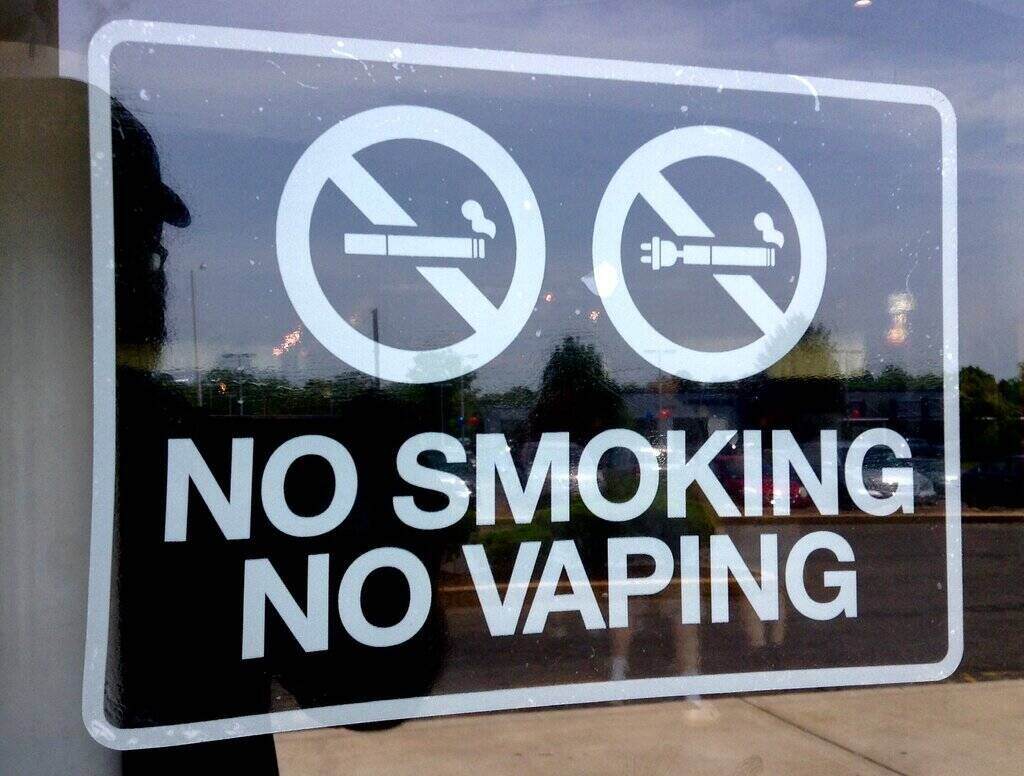
Dangers of Long Term Exposure to Vaping
While, the word “vapor” sounds harmless, individuals can be impacted by toxic metals that vape pens contain. For instance, lead, uranium arsenic, chromium and nickel. Being exposed to these types of heavy chemicals can significantly take a toll towards the developing brains of teenagers. They unfortunately can lead and result to thinking problems and behavioral disorders in the long run. Additionally, according to the U.S. News and World Report, “these metals also increase the risk of breathing, problems, cancer and heart disease.”
New Research Study Statistics

A new study was conducted to dive deeper into this topic and see the effects of vaping. This study was led by researchers from the University of Nebraska. They determined the levels of chemicals in the urine of users that frequently vape. As well as the levels of users who occasionally vape. They found that regular vape users between the ages of 13 and 17, who report using an e-cigarette at least eight times a day, have 30 percent more lead and twice as much uranium in their urine. Whereas their peers who only occasionally vape also showed to have some levels but as much as the frequent group.
Furthermore, interestingly, teens who preferred sweet vape flavors, biomarkers of uranium were especially high. As opposed to those who preferred menthol or mint ones. Not to mention, the study lacked a control group of teens who did not vape at all. But the pattern was still significantly evident within a U.S. sample of 200 e-cigarette users. The statistics are concerning because these chemicals may emerge future cancers if used long term. According to Professor of Chemistry at Royal College of Surgeons Ireland, “The emerge of future cancers and cardiovascular problems is ‘almost a certainty’ from long-term exposure to vapes.”
The UK Government Bans Disposable Vapes and Restricts Others
Moreover, there was another study done using AI to analyze how the chemicals of vape flavors decompose when they are heated. This one in particular found, that almost every flavor was classified as a health hazard. In response to this, on January of 2024, the UK government announced that it would ban disposable vapes and additionally restrict certain flavors. Especially those flavors that are sweet and fruity.
Following up to these findings, the Department of Health and Social Care spokesperson mentioned, “The health advice is clear if you don’t smoke, don’t vape and children should never vape.” With this they will also decrease the appeal that younger generations might face. As well as decrease the chances of chemicals that might emerged future cancers if used long term for current users.
Vaping is Not “Risk-Free”
When many smokers want to leave that habit behind, a lot of them tend to take the approach of using “e-cigarettes.” While they do help significantly, John Dunne, director general at the trade body the UK Vaping Industry Association, said the following, “The science on practicing this is very clear, it is the most effective way for smokers to quit and is at least 95% less harmful than smoking.” However, that 5% difference puts other at risks slowly but surely.
Which is why it should not be use so repetitive and frequently. Professor Sanjay Agrawal, the Royal College of Physicians’ special adviser on tobacco, said the following, “while vaping can be a very effective way to break the addiction to tobacco, it should only be used for this purpose.” If not used how it’s intended and with extreme precaution, it’s chemicals will increase the chances to emerge future cancers if they are used long term. Agrawal also said, “Vaping is not risk-free, so those who don’t smoke, including children and young people, should not vape either.”
Written by Jeanette Sanchez
Sources:
The Guardian: Chemicals in vapes could be highly toxic when heated, research finds
Science Alert: Concerning Levels of Uranium And Lead Found in The Urine of Teens Who Frequently Vape
U.S. News & World Report: Another Teen Vaping Danger: Toxic Lead, Uranium
Nature.com: Forecasting vaping risks though neural network model prediction of flavor pyrolysis reactions
RTE.ie: Future cancers emerge from long-term vaping-expert
BMJ Journals: Biomarkers of meta exposure in adolescent e-cigarette users: correlations with vaping frequently and flavoring
Featured Image Courtesy of Mike Mozart Flickr Page-Creative Commons License
Inset Image Courtesy of Vaping360 Flickr Page-Creative Commons License




