















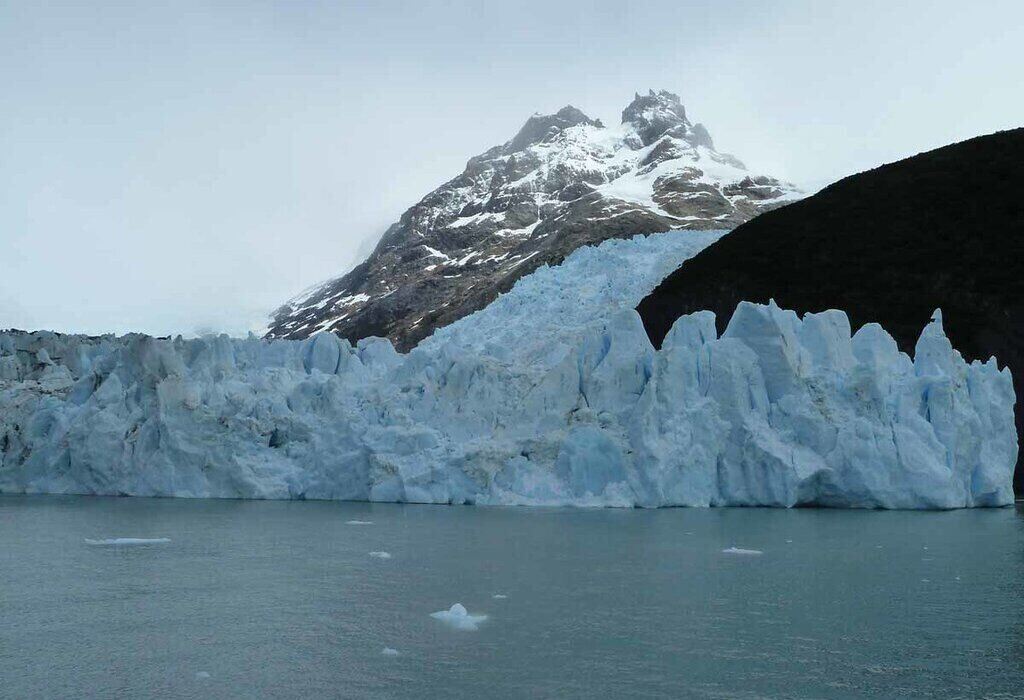
In recent news, scientists say that the ice sheet of West Antarctica is melting at a rapid pace.
The Ice Is Melting
In recent research and studies, the ice sheet of West Antarctica is swiftly melting. This is all thanks to the detrimental effects of climate change. Researchers say that no matter how much effort humans put into reducing fossil fuel emissions and global warming, the thinning of the ice is irreversible. The melting, as a result, will cause a multitude of life-changing effects on the planet, one of them being the sea levels rising.
Lead author of the British Antarctic Survey’s study, Kaitlin Naughten, says, “It appears we may have lost control of the West Antarctic ice shelf melting over the 21st century.” Now even though evidence shows that the Arctic ice has been melting for over a decade. The ice sheets themselves have been melting slowly until recent years. Research shows that there has been a significant increase in the ice melting from West Antarctica. This is due to the Southern Ocean warming, which surrounds the West Antarctic area. Specifically the Amundsen Sea, that harbors the area’s largest glaciers such as the Thwaites Glacier nicknamed the Doomsday Glacier.
Now you may be wondering why it is called the Doomsday Glacier. Well, the name is quite self-explanatory; if the entire glacier melts, this will lead to the sea levels to rise by approximately 10 plus feet. According to scientists, the glacier is already showing signs of melting. This poses as a potential danger to coastal cities/states such as New York and Florida. This will cause multiple civilians to evacuate their homes or build around them to prevent them from going under. Ted Scambos, a glaciology researcher said, “It takes an ice age to build it, but in a warm period, like now, it teeters on instability.”
Why Ice Shelves Are Important
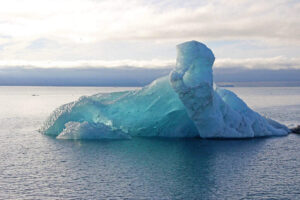
Unknown to some, ice shelves play a significant role in keeping the sea levels at bay. Ice shelves are large floating platforms that forms where cold ocean water lies next to a large continental glacier or ice sheet that reaches a sea. Ice shelves themselves are a part of the ocean, so they don’t contribute to rising sea levels. However, glaciers and ice sheets are attached to land mass and immensely contribute to sea level rise.
The Antarctic ice sheet and glaciers have ice to the point where if it collapses, it will raise the sea levels immensely. Now most of that ice is in East Antarctica, which is showing stability as of lately. The ice shelves all around Antarctica act as barriers between the glaciers/ice sheets and the ocean. Preventing the large pieces of ice from melting into the sea. Which is why they are so important.
Save The Planet
The melting of West Antarctica should serve as a wake-up call to us. Multiple researchers and scientists have stated the results from these studies as “sobering” and very distressing. Naughten herself, says that the outcome of the study is unfortunately feeding into the negative impacts of global warming. Eric Rignot, an Antarctic glacier expert, says that even though the Thwaites/Doomsday Glacier is showing accelerated ice melting, there’s a possibility that this could take a few decades to get to a distressing point. However, this doesn’t take away from the fact the oceans are warming.
Even though the melting of the West Antarctica ice sheet is inevitable at this point. We can still do our part and reduce greenhouse gas emissions. Because if we don’t learn from our past mistakes/choices, East Antarctica will melt and cause more damage. The fate of our planets is in our hands.
Written By Saniya Fields
Sources
CNN – Rapid melting in West Antarctica is ‘unavoidable,’ with potentially disastrous consequences for sea level rise, study finds by Rachel Ramirez
The Guardian – Rapid ice melt in west Antarctica now inevitable, research shows by Damian Carrington
The Washington Post – West Antarctic ice sheet faces ‘unavoidable’ melting, a warning for sea level rise by Scott Dance and Chris Mooney
BBC News – Sea-level rise: West Antarctic ice shelf melt ‘unavoidable’ by Mark Poynting
Top and featured image Courtesy of Edith Schreurs’ Flickr Page – Creative Commons License
Inset image Courtesy of Scott1346’s Flickr Page – Creative Commons License




