
















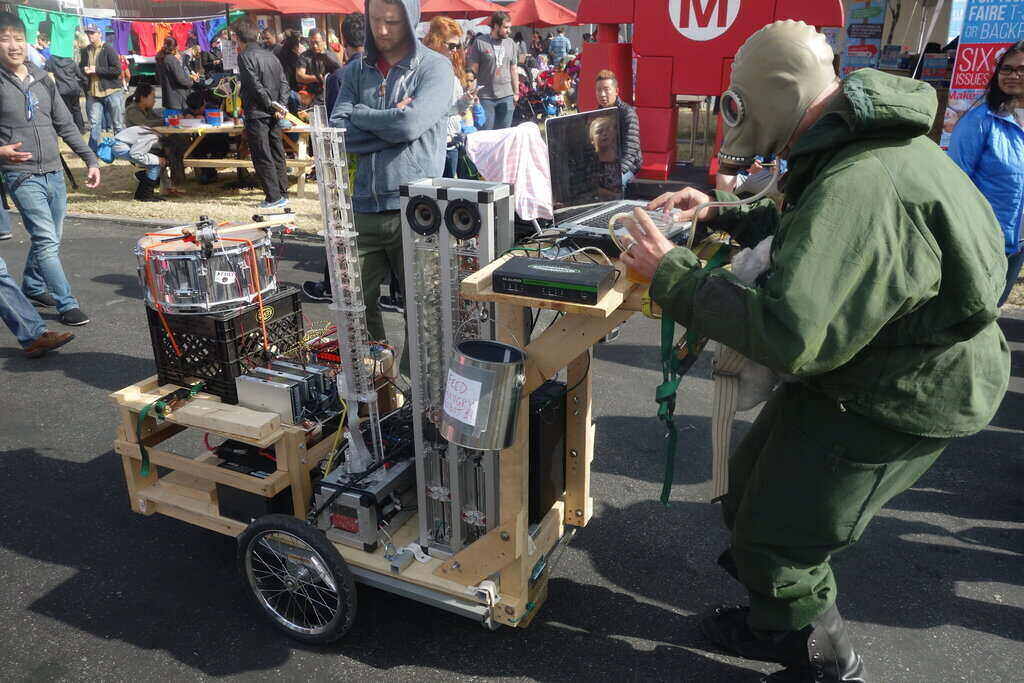
The main question, has always been will robots take over in the future? But we really would never know until time come’s. And why do we say this, well because if robots take over jobs, and other things how will humans provide for themselves and family. It won’t be right because we would have to many homeless people.
Why are Human’s Scared That Robots Might Take Over:
Science fiction tales concerning artificial intelligence (AI) turning against humans, and not able to control it. Concerns include the loss of jobs due to automation and the moral conundrums raised by granting computers decision-making authority.
Advanced AI research raises concerns about control and exploitation, which is unexpected. Fear lingers despite the positives of AI, such as increased productivity and creativity, and serves as a reminder of the importance of ethical and responsible development. This is only after integrating technology into society.
Why Human’s think Robots Might Cause Harm To The Economy:
The fear of robots doing damage stems from the unknown when it comes to their programming. Humans are afraid of what might happen if robots develop abilities and physical power beyond human control. Accidents and deliberate actions that injure others or even result in death should be taken seriously. Even though this can happen with humans. Raising fears about potential misuse or manipulation of these devices by unscrupulous individuals.
Ethical concerns arise around the accountability and decision-making capacities of machines. But they also thinking about if robots are gonna have a freethinking mindset like humans. These concerns underscore the need for responsible development and safety measures to minimize threats to humans, even as robotics advances and shows promise. But it’s really just the Al technology that makes people scared.
The Good Part About Robots:
Robots are incredibly beneficial to society; they are improving people’s lives and transforming a variety of industries. They increase productivity and reduce costs by streamlining industrial processes. Robots provide accurate assistance to surgeons in the medical field, reducing errors and improving patient outcomes.
Additionally, they assist in risky jobs, like bomb disposal, reducing the possibility of human casualties. Furthermore, robots make places more accessible for people with impairments by helping them with daily duties and enhancing their quality of life. Robots explore locations too dangerous for people to go, expanding our understanding of the world. Robots are educational tools that encourage creativity and learning. In general, robots hold out a lot of potential to usher in a safer, more efficient.
The Bad Part About Robots:
Even while robots have many advantages, concerns about potential disadvantages remain. AI’s autonomy and decision-making capabilities raise ethical concerns regarding unexpected events and loss of control.

Dependence on technology may expose society to threats to privacy and critical infrastructure in the event that systems fail or get corrupted. Furthermore, the prospect of weaponizing or abusing advanced robotics raises concerns about international security and human rights violations. To mitigate these hazards and ensure a smooth integration of robots into society, both innovation and suitable regulation must exist.
How can We Stop Robots From Taking Over:
Keeping robots from taking over requires a multifaceted approach. First, in order to guarantee accountability and openness in programming, strict standards governing AI development are required. The development and application of autonomous systems should be guided by ethical frameworks that prioritize the security and welfare of people.
It is crucial to keep researching AI safety features and moral decision-making algorithms. In addition, promoting interdisciplinary dialogue among technologists, ethicists, and policymakers might aid in anticipating and proactively addressing emerging issues. Employees who participate in education and reskilling programs are more prepared for the evolving job market. Ultimately, achieving the advantages of robotics without running the risk of dominance requires fostering a culture of responsible innovation where human values are valued.
Final Thoughts:
Finally, despite ongoing concerns about machines taking over, it’s critical to maintain objectivity. Automation undoubtedly provides benefits, ranging from higher productivity to a higher standard of living. However, mitigating risks requires proactive measures, such as stringent legal frameworks, ethical guidelines, and ongoing research into AI safety.
Collaboration across disciplines and educational investments are necessary to navigate the complexities of this rapid technological advancement. Human management is ultimately what will determine the destiny of robotics. We can simultaneously capitalize on the revolutionary potential of robots and stop them from taking over the world by prioritizing ethical innovation while maintaining human values.
By Yakira Govan
Sources:
Getronics- The Fear of Artificial Intelligence: Is It Justified?
Simplilearn- The Future of Robotics: How Robots Will Transform Our Lives
Sciencedirect- autonomous mobile robot
Featured Image Courtesy of Nick Normal Flickr Page – Creative Commons License
Inset Image Courtesy Nick Amoscato of Flickr Page – Creative Commons License




