
















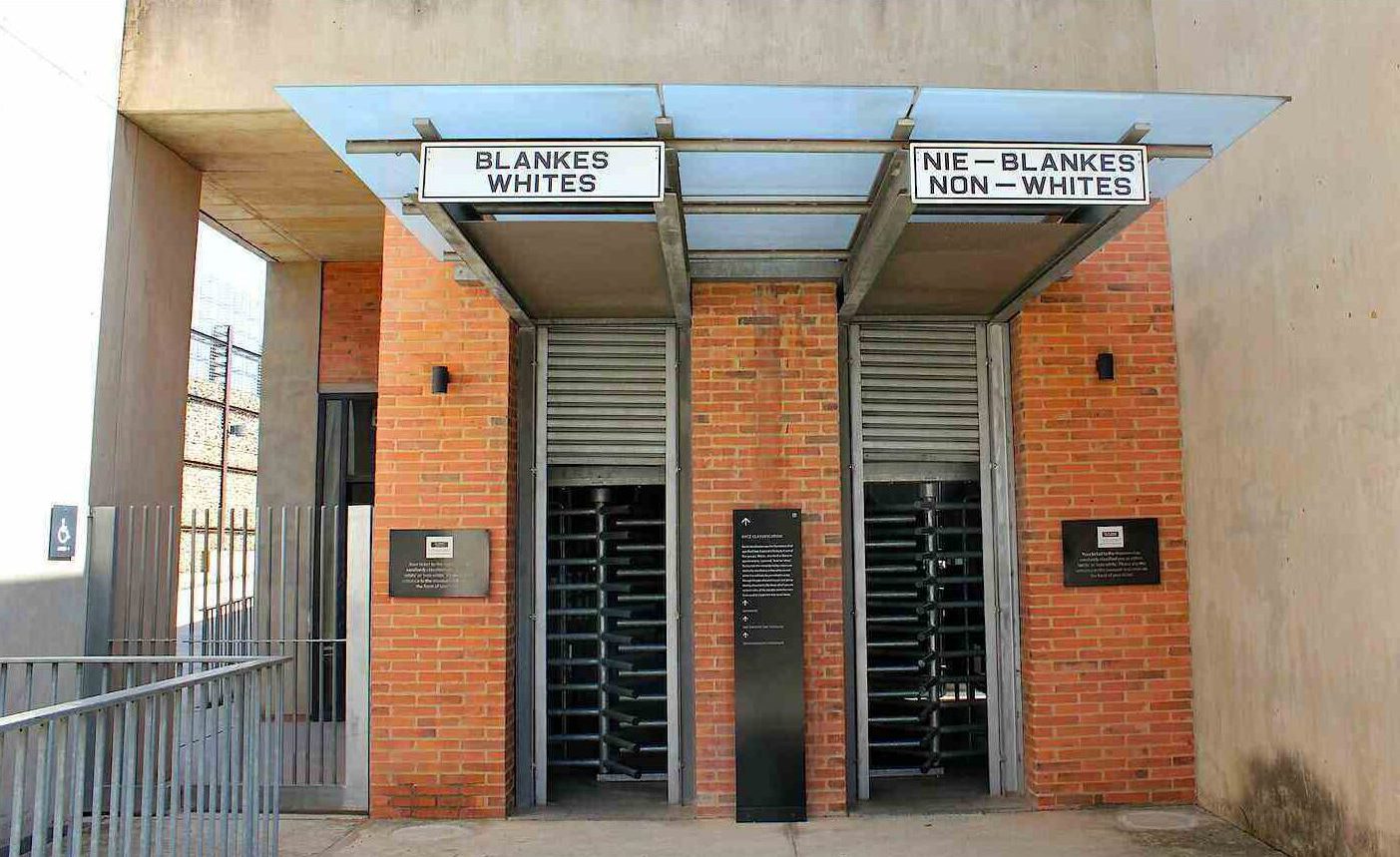
Racial restrictive covenants are an official legal tactic used across the nation to prevent African Americans and other minoritized racial/ethnic groups from purchasing homes and/or living in residential areas designated as white communities. Restriction means a limiting condition or measure, especially a legal one. There’s still racism very much alive and well in the city of Chicago with police brutality, segregation, and many other things.
Restrictive Covenants
“I’d be surprised to find any city that did not restrictive covenants,” said LaDale Winling, a historian and expert on housing discrimination who teaches at Virginia Tech in Blacksburg. A covenant is a legally enforceable “contract” imposed in a deed upon the buyer of the property.
Owners who violate the terms of the covenant risk forfeiting the property. Most covenants “run with the land” and are legally enforceable on future buyers of the property. Racially restrictive covenants refer to contractual agreements that prohibit the purchase, lease, or occupation of a piece of property by a particular group of people, usually African Americans.
These restrictive covenants were not only mutual agreements between property owners in a neighborhood not to sell to certain people, but were also agreements enforced through the cooperation of real estate boards and neighborhood associations. Racially restrictive covenants became common after 1926 following the U.S. Supreme Court decision., Corrigan v. Buckley, which validated their use. Although the Supreme Court ruled the covenants unenforceable in 1948 and although the passage of the 1968 Fair Housing Act outlawed them, the hurtful, offensive language still exists an ugly reminder of the country’s racist past.
History of Legal Racial Restriction
This paper also examines the history and structure of racially restrictive covenants in the United States to better comprehend their continued existence, despite their illegality today. While unenforceable, racially restrictive covenants signal tone and intent and may be psychologically damaging and perpetuate segregation.
White homeowners used racially restrictive covenants as widespread tools of discrimination. They prevented the migration of people of color into their neighborhoods during the first half of the 20th century. One of the tools used by early 20th-century developers, builders, and white homeowners to prevent African-Americans from accessing parts of the residential real estate market was the racially restrictive covenant (hereafter, racial covenant). Racial covenants were obligations inserted into property deeds that typically forbade the premises from being occupied or owned by persons, not of Caucasian descent.
Private developers most often would write covenants into a deed but it was the state courts that would enforce them. African Americans eventually moved into neighborhoods and subdivisions previously encumbered by racially restrictive covenants. Racial covenants were probably not needed to discourage most African Americans from relocating to grade-A areas the barrier of home prices was sufficient.
Thus, only four percent of covenants were located in grade A areas. In addition, the presence of covenants in the lowest-graded areas could have resulted from developers including boilerplate racial covenants in all of their property deeds. The influx of African Americans into northern cities had the effect of magnifying existing racial disparities and residential segregation patterns. A time when few African-Americans lived in the northern states. Those who resided in the north tended to work as servants and housekeepers for wealthy white families. They often resided near their place of employment.
Impact Today
As the research demonstrates, racial covenants and other tools of residential segregation are not just part of a long-forgotten history. One can observe their effects in today’s metropolitan residential patterns and in the vast and persistent wealth gap between African Americans and whites.
The study of racial covenants and the generations of residents affected by them has important implications. Not only for current housing policy, but also policies seeking to address wealth inequality. Even if only as a means of attaching names and neighborhoods to an otherwise intangible injustice of the past. As a result, racial restriction is not right everyone of any race and skin color should be able to live where they want no matter their skin complexion.
Written by Ja’Niya Parker
Sources:
DigitalChicagoHistory.org: Racial Restriction and Housing Discrimination in the Chicagoland Area
NPR: Racial covenants, a relic of the past, are still on the books across the country by Cheryl W. Thompson
University of Washington: The Racial Restrictive Covenants Project
Featured image courtesy of Kandukuru Nagarjun‘s Flickr page – Creative Commons License




