















Chicago is unfortunately notorious for having a high crime rate. Whether this perceived crime rate is a reflection of reality is up for debate. However, the fact of the matter is that Chicago’s crime rate is what it’s known for these days. Whenever politicians mention Chicago, they talk about the crime rate. What is unfortunate about this is that Chicago has so much more than its crime rate. It has beautiful architecture, great restaurants, and good people. Yet, the stigma remains.
A False Reality
Many believe Chicago to be the crime capital of the United States. However, the reality is much different. Chicago’s crime rate isn’t as high as people believe the crime rate to be. Chicago is only number 20 on a crime per capita list. Detroit, Rockford, and Cleveland were all ahead of Chicago, according to the world population review. What this means is that it really isn’t as bad as people say. People call Chicago the number one murder capital of the US. Yet, at the same time, Chicago doesn’t even crack the top 10.
Poverty Creates Criminals
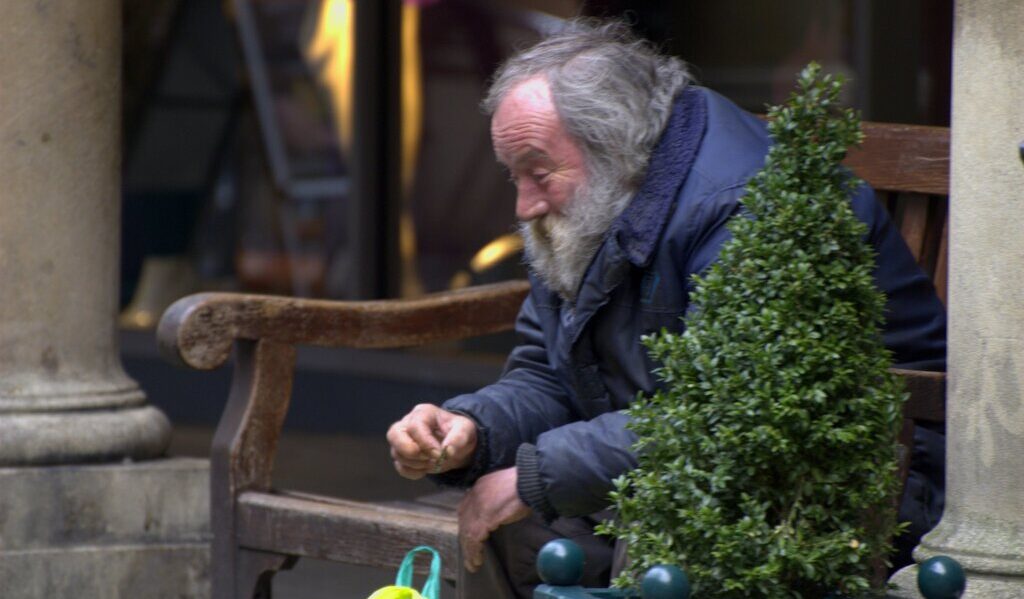
Furthermore, the issue of crime is much more complicated than people make it out to be. Not all cops are heroes, and not all criminals are bad people. For example, one of the biggest reasons people commit crimes is because they are struggling to survive in poverty. For a moment, imagine a person living in poverty. They may have a few things they need, but they may not have everything.
They may have a house, but sometimes the lights get cut off. Or they may have groceries that week, but the water gets cut off. Trying to make ends meet starts to make less sense when one knows a way to get more money. The fact of the matter is that some folks steal or distribute drugs, because they would rather feed their family than let their family starve. From this example, one can see that poverty, in many ways, creates criminals. In a way, poverty-induced criminals are society’s greatest victims. Cities that treat their poor like second-class citizens will eventually create poverty-induced criminals.
Chicago Has a Class Inequality Issue

Chicago is one of those cities described above. Chicago’s inequality issues are so bad that there are essentially two different Chicago’s. The first is the one people see in the tourist ads, with all the buildings, historical landmarks, and rich white people. The second is a crime-riddled, trash-infested, impoverished city.
These two cities coexist with each other. For example, when people say they want to “make it out of the hood,” this is what they are describing. Chicago’s drastic wealth inequality issue can clearly be seen in the difference between the wealthiest households in the city and the poorest ones. “We estimate a typical household’s wealth in the richest area of Chicago and Cook County is 206 times higher than a typical household’s wealth in the poorest area,” stated the Urban Institute. This level of class inequality creates the financial situations that create criminals. However, there may be a solution to the crime in Chicago.
Fighting Poverty to Fight Crime
If there is such a strong connection between poverty and crime, then the best way to fight crime is obvious. It doesn’t have to be beating up criminals in dark alleyways. The best solution to crime recognizes that there are socioeconomic factors that impact the frequency of crime and then act upon that knowledge.
What this could mean is raising the minimum wage, universal education, or universal health care. These policies would impact the level of poverty in Chicago, which then impacts the level of crime. If poverty creates criminals, then fighting poverty makes sure that people never become criminals in the first place.
Written by Kenneth Mazerat
Sources:
Ok Justice Reform: How Poverty Drives Violent Crime by Michael Olson
Urban Institute: In Chicago, Neighborhoods Have Stark Differences in Economic Opportunity by Mingli Zhong, Aaron R. Williams
World Population Review: Most Violent Cities in America 2023
Featured and Top Image Courtesy of ben_osteen’s Flickr Page – Creative Commons License
First Inset Image Courtesy of Daniel Gillaspia’s Flickr Page – Creative Commons License




